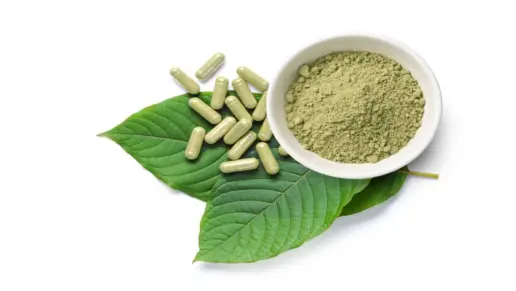
Anyone working in addiction treatment, or researching it for a family member, has reason to know the name: tianeptine.
The Drug Enforcement Administration proposed on July 8 to place tianeptine in Schedule I of the Controlled Substances Act, in the schedule’s opioids category. The comment period closed August 7 with 188 comments filed. The rule is now pending finalization.
What Tianeptine Is
Structurally, tianeptine is a tricyclic antidepressant. It is prescribed for depression in some European, Asian and Latin American countries. No tianeptine product is approved for medical use in the United States.
Pharmacologically it behaves differently at high doses. Both DEA and the Department of Health and Human Services concluded it acts on mu-opioid receptors and produces effects similar to morphine and fentanyl, which are Schedule II. In animal studies, rats trained to recognize morphine could not distinguish tianeptine from it.
Naloxone has reversed tianeptine overdose in documented cases, which reinforces that opioid receptors are involved.
The Dose Problem
The recommended therapeutic dose in countries where tianeptine is prescribed is 12.5 milligrams three times daily.
FDA has reported that products sold in the United States carry labels indicating hundreds to more than 1,000 milligrams per dosage unit, and cited case reports of consumers taking daily amounts between 50 and 10,000 milligrams.
In the HHS review, the average self-reported maximum single-day dose was 1,013 milligrams. The highest reported to FDA’s adverse event system was 63,720 milligrams. Tianeptine has a half-life of roughly 2.5 hours, which drives frequent redosing.
Why This Matters for Addiction Treatment
The most useful finding in the federal record is about intent. HHS found more people sought tianeptine for a perceived therapeutic purpose than for recreation, including for pain, depression, anxiety, or to self-detox from opioids.
Withdrawal and dependence were the most frequently reported adverse events. Some products have been marketed online as addiction remedies.
A case report cited in the rule describes tianeptine used to self-treat opioid withdrawal while producing its own dependence and withdrawal with prolonged use.
Reported withdrawal symptoms include muscle pain, chills, anxiety, nausea, vomiting, tremor, insomnia, diarrhea and cravings. Abrupt cessation can be difficult to tolerate.
The Exposure Data
Poison center reporting shows the trajectory. Between 2000 and 2013, the National Poison Data System logged 11 tianeptine exposures total. From 2014 through 2017 there were 207.
A follow-up analysis found exposures rose 1,400 percent from 2015 to 2023, including a 525 percent increase between 2018 and 2023. Most involved moderate or major effects, 40.1 percent required medical admission, and 22.9 percent required critical care. Withdrawal accounted for 22.5 percent of exposures reported.
CDC has noted that tianeptine is not routinely included in toxicology panels and may require specialized testing, which likely means harm is undercounted.
Fifteen states had already banned or controlled tianeptine before this proposal, beginning with Michigan in 2018. DEA noted state bans do not stop purchases across state lines or online.
What This Means for Treatment Seekers
If someone is physically dependent on tianeptine, scheduling would remove the legal supply. That makes the timing of a taper a clinical question rather than a logistical one, and abrupt discontinuation is the outcome to avoid.
For anyone comparing rehab centers, the practical question to ask is whether a program screens for substances outside standard toxicology panels and whether it can manage opioid-type withdrawal from a substance that will not appear on a routine test.
Finding the Right Rehab
Useful questions for any program:
- Does intake screening ask about supplements and gas station or online products, not just standard drug categories
- Can the program manage medically supervised withdrawal for opioid-type dependence
- Does it offer medication for opioid use disorder, and does it coordinate care for co-occurring depression or anxiety
- What accreditations and clinician credentials does it hold, and what will insurance cover
Search verified rehab centers near you on Rehab.com to compare programs, medication options and insurance accepted, and speak with a treatment advisor about next steps. Call
800-985-8516
(  Sponsored Helpline )
to get in contact with a treatment specialist today.
Sponsored Helpline )
to get in contact with a treatment specialist today.