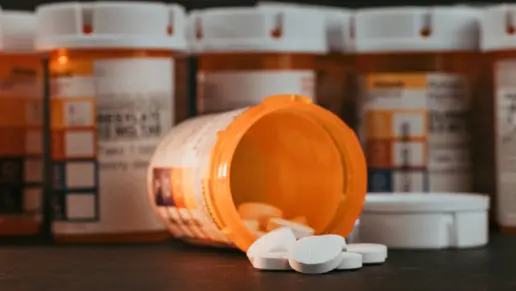
The finding puts a hard number on something addiction treatment providers see every day: pain and addiction travel together, and rehab programs that treat one while ignoring the other leave patients exposed.
The Overlap With Addiction and Mental Illness
In 2025, the National Survey on Drug Use and Health, overseen by the Substance Abuse and Mental Health Services Administration, found that 26.9% of adults with a past-year substance use disorder had chronic pain, compared with 18.4% of adults without one.
The gap was even wider for mental health: 33.0% of adults with any mental illness reported chronic pain, roughly double the 16.3% among those with no mental illness.
SAMHSA said the estimates can shape future work where pain care and behavioral health meet. For someone evaluating addiction treatment, the practical takeaway is that pain is not a side issue.
A program that ignores a client’s chronic pain leaves one of the most common co-occurring conditions unmanaged, and untreated pain is a well-known driver of self-medication and relapse.
The reverse is true as well: recovery support that stabilizes mood and routine can change how people experience and manage daily pain.
What the First Federal Pain Estimates Show
The survey added a question in 2025 asking respondents aged 18 or older how often they had experienced pain during the past 3 months, defining chronic pain as pain on most days or every day.
About 1 in 5 adults overall, 19.8%, met that definition. The burden climbed steeply with age, from 10.0% among adults aged 18 to 25, to 15.5% among those 26 to 49, to 26.3% among those 50 or older. Women reported chronic pain more often than men, at 21.6% versus 17.8%.
NSDUH is a household survey of people aged 12 or older that collects information on substance use, mental health, and treatment receipt nationwide, with interviews conducted in person and via the web.
Rural Adults Carry the Heaviest Burden
That gradient has direct implications for treatment access. Rural communities already face thinner networks of rehab centers and specialists, and now federal data show their residents carry the highest pain burden.
For providers, the numbers strengthen the case for building pain assessment into intake at every level of care, from outpatient counseling to residential treatment.
What This Means for Addiction Treatment Seekers
If you or someone in your family lives with daily pain, ask direct questions when comparing programs. Does the facility assess pain at intake? Can it coordinate mental health treatment alongside addiction care?
Programs that treat co-occurring conditions together give people a more realistic path out of the cycle in which pain fuels substance use and substance use deepens pain.
Exploring Treatment Options
The new federal data give treatment seekers a useful filter. When comparing rehab centers, ask how each program handles chronic pain, co-occurring depression or anxiety, and medication management.
Verify credentials, ask which evidence-based therapies are offered, and confirm what insurance coverage applies before committing. Rehab.com’s directory includes verified treatment centers nationwide for anyone ready to compare options. Call
800-985-8516
(  Sponsored Helpline )
to get in contact with a treatment advisor.