Understanding how alcohol use disorder develops can make it easier to recognize warning signs, gauge the right level of care, and know when to seek help for yourself or someone close to you.
Alcohol use disorder typically develops gradually, moving through recognizable patterns over months or years before reaching severe dependence. Knowing where someone is in that progression helps shape both the conversation and the next steps.
Key Points
- Alcohol use disorder usually develops gradually through four recognizable stages described by E.M. Jellinek.
- Physical withdrawal symptoms and dependence typically begin in the middle stage and require medical attention to stop safely.
- End-stage alcoholism can cause serious organ damage, including liver disease, neurological conditions, and heart problems.
- DSM-5 classifies alcohol use disorder as mild, moderate, or severe based on how many of 11 diagnostic criteria a person meets.
- Recovery is possible at every stage, though appropriate treatment becomes more intensive as the disorder progresses.
- Family members can offer more effective support when they match their approach to the stage of the disorder.
What Are the Stages of Alcoholism?
Alcoholism, now clinically diagnosed as alcohol use disorder, or AUD, usually develops gradually rather than all at once.[1] Many people move through recognizable patterns over time as drinking shifts from occasional use into dependence and compulsive alcohol use.
One of the most widely known frameworks for understanding this progression is E.M. Jellinek’s four-stage model of alcoholism, explained at length in his 1960 book, The Disease Concept of Alcoholism.[2] While modern medicine has evolved significantly since then, his framework still shapes how many people understand the progression of alcohol addiction today.
The four stages are commonly described as pre-alcoholic, early stage, middle-stage and late or end-stage alcoholism.[2] Modern clinicians, however, diagnose alcohol use disorder using DSM-5 criteria that classify AUD as mild, moderate or severe depending on symptom severity.
It is important to remember that not everyone progresses through every stage, and timelines vary widely. These stages describe common patterns, not a guaranteed path.[3]
Stage 1: The Pre-Alcoholic Stage
The pre-alcoholic stage begins when drinking shifts from casual or social use into a regular coping mechanism. At this point, there may not be any obvious external consequences, but subtle behavioral patterns begin to form beneath the surface.[2]
One of the earliest warning signs is rising alcohol tolerance, where a person moves from staying within moderate drinking limits to something that becomes more noticeable. An individual may notice they need more drinks to feel relaxed, confident or intoxicated than they once did. As well, drinking may start serving a specific emotional purpose rather than simply being recreational.[2]
People in this stage often drink to manage stress, social anxiety, sleep problems, loneliness or emotional discomfort. They may look forward to drinking as a relief after difficult days or begin drinking faster than others around them.[2]
Most family members and friends do not recognize this stage because outward functioning is usually still intact. The person drinking may not recognize it either, especially if alcohol use still seems socially normal.
Intervention is often easiest during this phase because physical dependence has not yet developed. Cutting back or stopping alcohol use generally does not require medical supervision at this stage, though support and honest self-assessment can still be valuable.[2]
Stage 2: Early Stage Alcoholism
Early-stage alcoholism is the point where alcohol use begins creating visible consequences, even though the person can often still maintain work, relationships and daily responsibilities.[2]
One of the hallmark signs of this stage is the appearance of blackouts or memory gaps while drinking. Someone may also become defensive when their alcohol use is mentioned or begin minimizing how much they drink. Drinking alone may become more common, and promises to cut back may repeatedly fail.[2]
Social consequences often begin appearing during this stage. Relationships may become strained, responsibilities may slip, and alcohol-related accidents or risky situations may occur. Near-misses involving driving, injuries or impulsive behavior are significant early warning signs.[2]
This stage loosely aligns with mild alcohol use disorder under DSM-5 criteria, which typically means a person meets two or three symptoms within 12 months.[3]
Treatment at this point often focuses on outpatient treatment, behavioral therapy and peer support programs such as SMART Recovery or AA. Medical detox is usually not necessary because physical withdrawal symptoms are often still limited or absent.[3]

Stage 3: Middle-Stage Alcoholism
The middle stage marks the point where physical alcohol dependence begins taking hold. The body starts adapting to regular alcohol exposure, and withdrawal symptoms may appear when drinking stops. Common withdrawal symptoms include shakiness, sweating, anxiety, nausea, headaches, irritability and insomnia. This stage represents the shift from problematic drinking to physical addiction.[2]
Behavioral changes also become more noticeable. Someone may repeatedly try and fail to cut back, begin drinking earlier in the day or use alcohol to steady nerves in the morning. Secrecy around drinking often increases, and hangovers may become more severe and long-lasting.[2]
Health problems may also begin emerging during this stage. Elevated liver enzymes, digestive issues, high blood pressure, chronic sleep disruption and worsening mental health symptoms are common.[2] Middle-stage alcoholism loosely corresponds with moderate alcohol use disorder under DSM-5 criteria, which usually means meeting four or five diagnostic symptoms.[3]
An important safety consideration: from this stage forward, suddenly stopping alcohol use can be dangerous. Alcohol withdrawal syndrome may lead to seizures or delirium tremens in some individuals. You may need support from medications used in alcohol withdrawal to make it through this stage of recovery safely.
Anyone experiencing withdrawal symptoms should consult a medical professional before attempting to quit alcohol abruptly.[4]
Call A Treatment Provider
For a conversation about what treatment options are available to you.
Make a Call
 800-985-8516
 Sponsored Helpline
Stage 4: Late or End-Stage Alcoholism
Late-stage alcoholism, sometimes called end-stage or chronic alcoholism, is the most severe phase of alcohol use disorder. During the end stages of alcoholism, drinking is often driven less by pleasure and more by the need to avoid withdrawal symptoms. Significant physical, emotional and social damage is usually present.[2]
People in this stage often lose control over both the amount and timing of drinking. Alcohol may dominate daily life, pushing aside work, relationships, finances, hygiene and responsibilities. Many people experience severe denial while also privately recognizing that alcohol is destroying their health and stability.[2]
One of the most serious complications at this stage is alcoholic liver disease, including cirrhosis. Liver damage may cause jaundice, abdominal swelling (ascites), easy bruising, chronic fatigue and confusion due to toxin buildup in the body.[2]
Long-term alcohol misuse can also lead to Wernicke-Korsakoff syndrome, a neurological condition linked to severe thiamine deficiency. Symptoms may include memory loss, confusion, poor coordination and permanent cognitive impairment if left untreated.[5]
Alcohol also damages the cardiovascular system. Chronic heavy drinking increases the risk of alcoholic cardiomyopathy, high blood pressure, irregular heart rhythms, stroke and heart failure.
The pancreas is another commonly affected organ. Chronic pancreatitis can cause severe abdominal pain, digestive problems, malnutrition and diabetes-related complications. Research also links heavy alcohol use to increased cancer risk, including cancers of the mouth, throat, esophagus, liver, breast and colorectal system.[6]
178,000 Deaths Per Year
Excessive alcohol use causes approximately 178,000 deaths in the United States annually, based on CDC data from 2020 to 2021.[7]
6 or More = Severe AUD
DSM-5 classifies alcohol use disorder as severe when a person meets 6 or more of 11 diagnostic criteria within a 12-month period.[3]
Withdrawal during this stage is especially dangerous. Alcohol withdrawal seizures and delirium tremens are real medical emergencies that can become life-threatening without treatment. Medical alcohol detox is strongly recommended for anyone with severe alcohol dependence.
Even in end-stage alcoholism, recovery remains possible. Many people improve dramatically with medical detox, structured treatment, therapy, medication support and long-term recovery planning. A large percentage of people who seek treatment eventually reduce or stop problematic drinking.

How Jellinek’s Stages Compare to a DSM-5 Diagnosis of AUD
Jellinek’s stages provide a useful description of how alcohol problems often progress over time, but modern clinicians diagnose alcohol use disorder using DSM-5 criteria. Instead of dividing alcoholism into stages alone, DSM-5 evaluates severity based on how many symptoms a person experiences within 12 months.[3]
The 11 DSM-5 criteria include[3]
- Drinking more or longer than intended
- Unsuccessful attempts to cut down
- Spending significant time obtaining, using or recovering from drinking
- Cravings for alcohol
- Failure to meet work, school or home responsibilities
- Relationship or social problems tied to drinking
- Giving up important activities
- Hazardous alcohol use
- Continued drinking despite physical or emotional harm
- Tolerance
- Withdrawal symptoms
According to the DSM-5, two to three symptoms indicate mild AUD, four or five symptoms indicate moderate AUD and 6 or more symptoms indicate severe AUD.[3]
The DSM-5 also replaced the older separation between alcohol abuse and alcohol dependence, and added cravings as a formal diagnostic criterion.[3]
The two frameworks overlap loosely. Early-stage alcoholism often aligns with mild AUD, middle-stage with moderate AUD, and late-stage alcoholism with severe AUD. However, the comparison is not exact because people experience alcohol use disorder differently.
| Jellinek Stage | Typical DSM-5 AUD Severity | Common Features |
|---|---|---|
| Pre-alcoholic stage | Below threshold or mild AUD | Increasing tolerance, emotional reliance on alcohol, drinking for stress relief |
| Early-stage alcoholism | Mild AUD | Blackouts, secrecy, defensiveness, growing consequences |
| Middle-stage alcoholism | Moderate AUD | Withdrawal symptoms, failed attempts to quit, and physical dependence |
| Late or end-stage alcoholism | Severe AUD | Loss of control, organ damage, compulsive drinking, severe withdrawal risk |
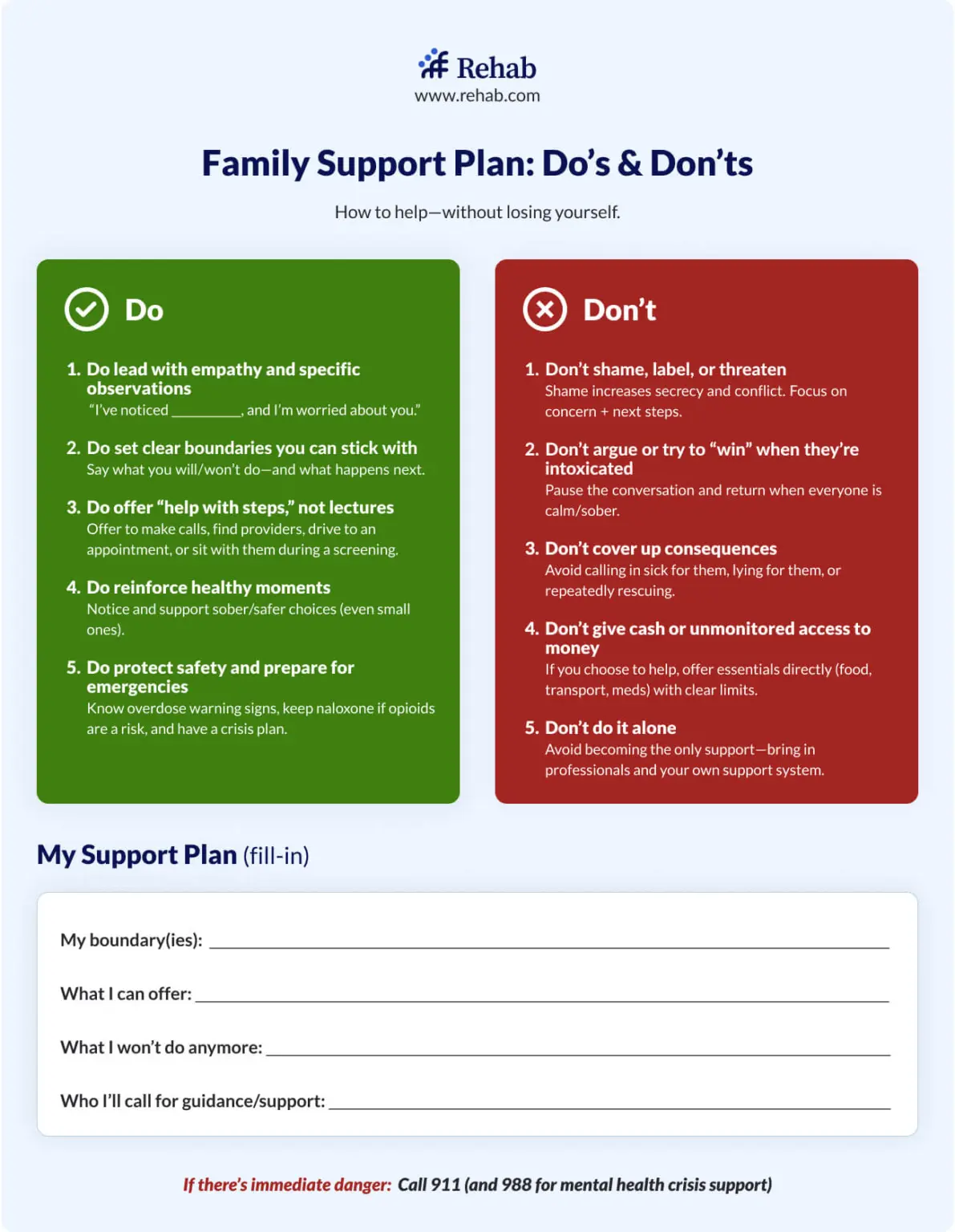
Helping a Loved One at Each Stage
How to support someone with alcohol problems depends heavily on the stage they’re experiencing. A conversation that helps during early alcohol misuse may not be effective once severe dependence develops.
During the pre-alcoholic stage, nonjudgmental conversations often work best. Instead of accusations, it may help to express concern about patterns and encourage the person to reflect on their drinking habits. In early-stage alcoholism, focusing on specific incidents rather than labels can reduce defensiveness. Suggesting a conversation with a doctor, therapist or counselor may feel more approachable than demanding immediate treatment.[2]
In middle-stage alcoholism, medical concerns become more urgent. Family members may need to encourage professional assessment before the person attempts to stop drinking because withdrawal can become dangerous. Some families also benefit from structured interventions or family therapy.[2]
Late-stage alcoholism often requires immediate medical and professional support. Medical detox and inpatient treatment may be necessary, especially if severe withdrawal symptoms, health complications or repeated relapses are present.[2]
Family members also need support for themselves. Groups such as Al-Anon and Alateen can help loved ones manage stress, burnout, fear and codependent patterns that commonly develop around addiction.

Treatment Options at Every Stage
Recovery is possible at every stage of alcohol use disorder, but the appropriate level of care usually becomes more intensive as symptoms worsen. During the pre-alcoholic and early stages, brief interventions, outpatient counseling, therapy and peer support groups may be enough to interrupt harmful patterns before severe dependence develops.[2]
Middle-stage alcoholism often requires more structured care. During this stage, intensive outpatient programs (IOP), partial hospitalization programs (PHP), medication-assisted treatment and ongoing therapy are commonly recommended.[2]
For middle-to-late stage alcoholism, medical detox is frequently the safest first step. After detox (with or without the help of withdrawal medications), many people continue treatment through inpatient rehab, residential care or long-term outpatient support.[2]
Medication-assisted treatment can also help reduce cravings and support recovery. Evidence-based medications for alcohol use disorder include naltrexone, acamprosate and disulfiram, though they remain underused compared to other addiction treatments.[3]
Behavioral therapies such as cognitive behavioral therapy and motivational interviewing are also widely used in alcohol rehab programs. As well, peer support groups, including Alcoholics Anonymous and SMART Recovery, provide ongoing accountability and community support.
The most important step is often simply starting the conversation with a healthcare professional or treatment provider. Early treatment improves outcomes, but recovery can happen at any stage.
Frequently Asked Questions
The four stages of alcoholism are pre-alcoholic, early stage, middle stage, and late or end-stage. The stages describe how alcohol use may gradually progress from increased tolerance into physical dependence and severe addiction.
End-stage alcoholism is the most severe phase of alcohol use disorder. End-stage is marked by compulsive drinking, significant physical health damage, dangerous withdrawal symptoms, and major disruption to relationships and daily functioning. Recovery is still possible with medical treatment and long-term support.
There is no fixed timeline. Genetics, family history, mental health, environment and drinking patterns all influence how quickly alcohol problems progress. Some people move through stages within a few years, while others remain in earlier stages for decades.
Yes. Recovery from severe alcohol use disorder is possible, but medical supervision is important because withdrawal can become dangerous. Many people improve significantly through medical detox, therapy, medication support and long-term recovery care.
Alcoholism is a common public term that is still widely used in conversation and support groups. Alcohol use disorder, or AUD, is the current medical diagnosis used by clinicians. DSM-5 classifies AUD as mild, moderate, or severe depending on symptom severity.
References
- National Institute on Alcohol Abuse and Alcoholism. The Cycle of Alcohol Addiction. Updated 2021. Accessed July 22, 2026. https://www.niaaa.nih.gov/publications/cycle-alcohol-addiction
- Jellinek EM. The Disease Concept of Alcoholism. Hillhouse Press; 1960. Accessed July 22, 2026. https://archive.org/details/diseaseconceptof00jell/page/n9/mode/1up
- National Institute on Alcohol Abuse and Alcoholism. Alcohol Use Disorder: From Risk to Diagnosis to Recovery. Updated May 8, 2025. Accessed July 22, 2026. https://www.niaaa.nih.gov/health-professionals-communities/core-resource-on-alcohol/alcohol-use-disorder-risk-diagnosis-recovery
- Harvard Health Publishing. Alcohol withdrawal. Updated November 5, 2025. Accessed July 22, 2026. https://www.health.harvard.edu/diseases-and-conditions/alcohol-withdrawal-a-to-z
- National Institute on Alcohol Abuse and Alcoholism. Wernicke-Korsakoff Syndrome. Updated December 2025. Accessed July 22, 2026. https://www.niaaa.nih.gov/publications/brochures-and-fact-sheets/wernicke-korsakoff-syndrome
- National Institute on Alcohol Abuse and Alcoholism. Alcohol’s Effects on the Body. Updated June 2025. Accessed July 22, 2026. https://www.niaaa.nih.gov/alcohols-effects-health/alcohols-effects-body
- Centers for Disease Control and Prevention. Facts About U.S. Deaths from Excessive Alcohol Use. Updated August 6, 2024. Accessed July 22, 2026. https://www.cdc.gov/alcohol/facts-stats/index.html