Getting sober and staying sober long-term are two different challenges. Most people experience at least one return-to-use moment during recovery. In fact, it is a clinically expected pattern and not a personal failure.
This article will cover common triggers, how to stay sober, how to seek support, types of professional care, relapse prevention planning, and steps to take after a slip.
Key Points
- Relapse is a normal part of recovery and does not mean you have failed.
- Recovery is a journey that often lasts a lifetime, requiring ongoing support and commitment.
- Sober can mean different things to different people, from full abstinence to significantly reduced drinking.
- Identifying your triggers and managing cravings is an important part of long-term recovery.
- Professional care, including therapy and medication, is necessary for full and sustainable recovery.
- Relapse prevention plans are a key part of long-term care after leaving rehab.
Why Staying Sober Is Its Own Challenge
Long-term sobriety is not easy due to alcohol’s lasting side effects on the brain. Drinking alcohol causes changes in your brain, specifically to the reward center and your stress and impulse-control systems.
When you drink, your brain releases dopamine, which makes you feel good. This activates the “reward center” of your brain, which begins to seek that reward of dopamine over and over again.1 After prolonged use, you will need more alcohol to achieve the same effect; this is when dependence and addiction can start. When you stop drinking, the cravings, mood swings, and emotional flatness can show up even months into recovery, making maintaining sobriety difficult.
50%
Around 40 to 60 percent of people in recovery from a substance use disorder experience at least one return to use, comparable to relapse rates for chronic conditions like hypertension and asthma. (NIDA, 2020)2
PAWS Is Real
Post-acute withdrawal syndrome (PAWS) can cause cravings, mood swings, and emotional flatness for months or longer after stopping alcohol use, creating sobriety fatigue well beyond initial detox.
It is important to remember that relapse is a normal part of recovery and does not mean you have failed. Staying sober after rehab takes effort and planning.
Once you get past the initial withdrawal, some people will go on to experience post-acute withdrawal syndrome (PAWS) when symptoms persist for months or longer. This can create sobriety fatigue as dealing with withdrawal may feel heavier than expected.
What Sobriety and Recovery Actually Mean
The NIAAA’s definition of recovery is a process toward remission from alcohol use disorder (AUD) plus cessation from heavy drinking, with improvements in biopsychosocial functioning.3
This definition does not mean that abstinence is required for all individuals who want to recover. However, abstinence is the safest path, but not the only one.
Abstinence-based recovery programs such as Alcoholics Anonymous and Narcotics Anonymous are used in many clinical settings and can help you to stay completely abstinent from substance use.
There are other options, though, including harm-reduction and moderation-based approaches such as Moderation Management programs and Harm Reduction, Abstinence and Moderation Support (HAMS) groups.
The approach you choose to take may depend on certain factors. Abstinence is the safest option if:
- You have or are at risk of liver disease
- You are pregnant
- You’re taking certain medications
- You have a history of severe withdrawal symptoms
The term “sober” can mean different things to different people. Some use the term “California sober.” This refers to stopping alcohol but continuing to use other substances, such as marijuana.
Moving forward, this article will focus on strategies that apply to both abstinence and significantly reduced drinking.
Identify Your Triggers and Manage Cravings
In recovery, you will encounter triggers and cravings.4
Internal triggers may include:
- Stress
- Anger
- Loneliness
- Boredom
- Depression
- Anxiety
External triggers may include:
- Certain people
- Specific places, such as bars or old neighborhoods
- Events like weddings or holidays
- Certain times of day
A helpful acronym to remember when coping with triggers is “HALT.” It stands for Hungry, Angry, Lonely and Tired. This can serve as a simple self-checklist to help you identify what you might be feeling that is triggering a craving. HALT is used widely in 12-step and clinical recovery programs.
Several craving management strategies can help you, including:
Urge Surfing
The concept of urge surfing teaches you to “ride the wave” of your craving for 15-20 minutes. This gives the craving time to reach its peak and then pass.
Changing Your Physical Environment
Sometimes you may need to change where you are to deal with the craving. If you notice that your environment is triggering you, find a way to leave and let the craving pass.
Calling a Sober Contact
Have a list of people you trust, prepared ahead of time, for moments like this. Call them when the cravings become too severe to handle alone; they can talk you through the craving until it’s gone.
Using Grounding Techniques
Utilize grounding techniques such as deep breathing, sensory observations and progressive relaxation.
Checking in With Therapist or Sponsor
If you have access to a sponsor or therapist on your treatment team, it can help to check in with them in moments when you feel like you want to drink again.
Persistent or worsening cravings can indicate that your recovery plan needs adjustment. It’s best to check with your care team so they can evaluate whether medication-assisted treatment for AUD might help you.
Building a Recovery Support Network
An important part of recovery from alcohol use disorder is setting up layers of a strong support network. This may include:
- Family members
- Trusted friends
- Therapist or counselor
- Peers in recovery
- A sponsor if you are doing 12-step work
- A primary care or addiction medicine clinician
Peer support is especially important in recovery. Research shows that people in active recovery support groups have meaningfully better long-term outcomes than those who go it alone.5
Peer support groups such as Alcoholics Anonymous and SMART Recovery have continued to prove to be extremely effective in helping people with AUD reach their recovery goals.6
There are two common objections that people have about turning to peers for support. The first is: “I don’t want to tell anyone.” Confidentiality and anonymity are important principles in groups like AA and in clinical relationships. You do not have to worry about facing judgment or ridicule for sharing what you are going through and you can maintain privacy.
The second one is: “The people around me drink.” If your current peer group drinks, you may benefit from joining a sober community, exploring online recovery communities or looking into sober social events in your area.
If you have a loved one currently recovering from AUD, you can do your part in learning how to support recovery without enabling. Groups like Al-Anon are a great place to find your own support and learn more about how addiction affects families and loved ones.
Call A Treatment Provider
For a conversation about what treatment options are available to you.
Make a Call
 800-985-8516
 Sponsored Helpline
Stay Connected to Professional Care
Recovery does not end when you are discharged from your rehab program. Aftercare, outpatient therapy and ongoing clinical contact are associated with significantly higher long-term sobriety rates.
There are several options available to you after leaving rehab, including IOP or PHP, individual therapy, sober living homes and alumni programs.
IOP or PHP
Transitioning from rehab can be challenging, and intensive outpatient programs (IOPs) or partial hospitalization programs (PHPs) offer a strong balance of support and independence, helping individuals build on their recovery in a structured, sober setting.
You might consider this option if you are still figuring out medication for AUD or other mental health diagnoses.
Individual Therapy
Continuing regular therapy after leaving rehab will help you to continue with your recovery goals. Cognitive behavioral therapy (CBT) is a common approach that helps you identify unhealthy thinking patterns that lead to certain behaviors, so you can begin to make meaningful changes. Other popular therapies for AUD include Motivational Interviewing and Contingency Management.
In many situations, telehealth options are available for those who are unable to commute to appointments.
Sober Living Homes and Alumni Programs
If you need a more supportive environment to help you stay sober after rehab, sober living homes could be a viable option. You can also inquire about any alumni programs that you can attend to continue your progress.
Ongoing care may also include medication-assisted treatment (MAT) for alcohol use disorder. Some of the medications available include:7
- Naltrexone
- Acamprosate
- Disulfiram
These medications can reduce cravings and the rewarding effects of alcohol if a slip occurs.
3 FDA-Approved Options
Naltrexone, Acamprosate, and Disulfiram are all FDA-approved to treat alcohol use disorder. They reduce cravings or block the rewarding effects of alcohol if a slip occurs. (SAMHSA, 2025)7
MAT Works Best in Combination
Medication-assisted treatment for AUD is most effective when paired with behavioral therapies like CBT and sustained peer support, not used as a standalone intervention.
Make a Written Relapse Prevention Plan
Relapse typically unfolds in three stages according to the Gorski/Marlatt model, which is widely used in clinical practice.8 These three stages are:
- Emotional relapse (isolation, poor self-care, bottled emotions)
- Mental relapse (cravings, romanticizing past use, bargaining)
- Physical relapse (drinking or using)
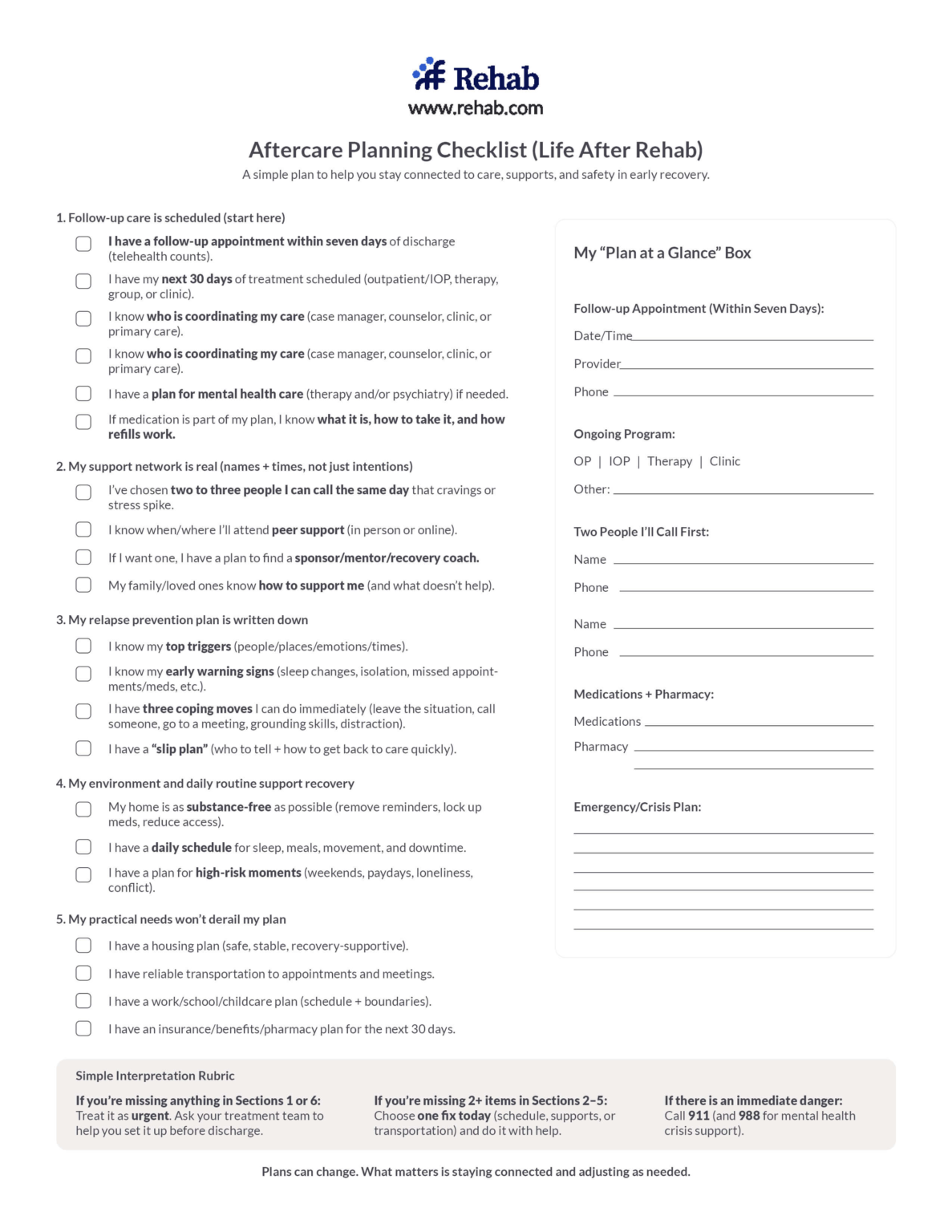
It is important to make a written relapse prevention plan so you can respond quickly if you notice yourself headed toward relapse. Some of the elements of a relapse prevention plan are outlined below.
Create a Personal Trigger List
Spend some time thinking about what people, places, events, or feelings may trigger cravings to use. The more aware you are of potential triggers, the better you can avoid them or be prepared when they pop up.
Identify Early Warning Signs
The earlier you can notice cravings and signs of relapse, the better chance you have of intercepting them. Reflect on what might be early indicators for you that you are heading towards a relapse.
List 3-5 Named Contacts to Call
Have specific names and contact information of trusted people you can call on in a moment when you are triggered or about to relapse.
Name Coping Strategies
Make a list of strategies and activities that you have found helpful when coping with triggers. This could include grounding techniques, ways to distract yourself, self-care practices or other strategies you have developed in therapy.
Have a Specific Action Plan If a Slip Happens
Lastly, make sure you have a specific plan if you do end up using. Such as: who are you going to call, what treatment will you seek and where can you go to make sure you are safe and get help?
It is recommended to build your relapse prevention plan with a therapist or sponsor rather than alone. It is also a good idea to review and update it every few months to ensure it remains relevant to your recovery.
Take Care of Your Body and Mind
As you navigate recovery from AUD, maintaining healthy physical habits can play an important role in supporting your overall well-being and recovery.
Regular Sleep
Alcohol disrupts sleep architecture for weeks or even months after stopping use. It is important to work on restoring a healthy sleep routine during recovery.
Nutrition
Heavy alcohol use can deplete essential nutrients, especially B vitamins and thiamine, making nutritional replenishment an important part of recovery.
In fact, regular physical activity, along with limiting caffeine and nicotine use when feasible, can also contribute to improved physical and mental health during the recovery process.
Mental Health
Untreated mental health conditions such as depression, anxiety, PTSD, and ADHD can substantially raise your relapse risk. It is recommended to treat co-occurring conditions simultaneously, not after sobriety stabilizes.
Part of mental health in recovery is centered around building meaning for yourself. You can do this through:
- Hobbies
- Purposeful work
- Volunteering
- Spiritual practices
- Rebuilding relationships
People find meaning in many different places, and you may have to try several things before you find something fulfilling to you.
What to Do If You Slip or Return to Use
If you have a recurrence of alcohol use, it does not mean that you have failed at recovery. A return to use signals that the treatment plan needs adjustment, not evidence that recovery is impossible.
If you experience a severe re-entry into heavy drinking, you need to stop and get safe. In some cases, you may require a medical detox program again.
Call a sober contact or sponsor within 24 hours of your slip to get immediate support. Reach out to a therapist or treatment provider in the following days to review what triggered the slip and assess what you need moving forward.
The period right after a return to use is the highest-risk window for most people; however, it is also true that most who return to formal treatment after a slip do well in long-term recovery.
A slip doesn’t negate the progress you have already achieved. Recovery is full of ups and downs, so focus on taking it day to day and celebrate what you have already accomplished.
If you or a loved one has slipped, help is available. Talk to a treatment advisor today to continue your recovery.
Call A Treatment Provider
For a conversation about what treatment options are available to you.
Make a Call
800-985-8516Sponsored Helpline
Staying Sober FAQs
For most people, acute cravings improve over the first 90 days; it is not uncommon for them to return from time to time. Most people find that cravings are reduced substantially after the first year in recovery.
Yes. AA is one effective option among several. SMART Recovery, Recovery Dharma, Refuge Recovery, LifeRing, Women for Sobriety, and individual therapy with a sponsor-equivalent peer are also good options.
The main focus in a recovery support program is sustained connection, accountability and skill-building, not the specific program.
The first 90 days are typically the most difficult physically, while the first year poses the most challenges in terms of lifestyle, including rebuilding relationships, navigating social events, and learning to handle stress without alcohol.
After the first year, the challenge often shifts to maintaining recovery practices through major life events, such as grief, illness, job loss, and becoming a parent, among others.
Clinically, a single drink is usually called a “slip” or “lapse.” It becomes a full return to use if drinking continues. Whether it is a “slip” or a full return to use, both indicate there needs to be changes made to your treatment plan.
Sources
- National Institute on Alcohol Abuse and Alcoholism. Neuroscience: The Brain in Addiction and Recovery. Bethesda (MD): National Institutes of Health; 2025.
- National Institute on Drug Abuse. Drugs, Brains, and Behavior: The Science of Addiction Treatment and Recovery. Bethesda (MD): National Institutes of Health; 2020.
- National Institute on Alcohol Abuse and Alcoholism. NIAAA Recovery Research Definitions. Bethesda (MD): National Institutes of Health; 2022.
- National Institute on Alcohol Abuse and Alcoholism. How to Stop Alcohol Cravings. Bethesda (MD): National Institutes of Health; n.d.
- Recovery Research Institute. What is the Evidence for Peer Recovery Support Services? n.d.
- Kelly JF, Abry A, Ferri M, Humphreys K. Alcoholics Anonymous and 12-Step Facilitation Treatments for Alcohol Use Disorder: A Distillation of a 2020 Cochrane Review for Clinicians and Policy Makers. Alcohol Alcohol. 2020.
- Substance Abuse and Mental Health Services Administration. Treatment Options for Substance Use Disorder. 2025.
- Recovery Research Institute. Relapse Prevention. n.d.