











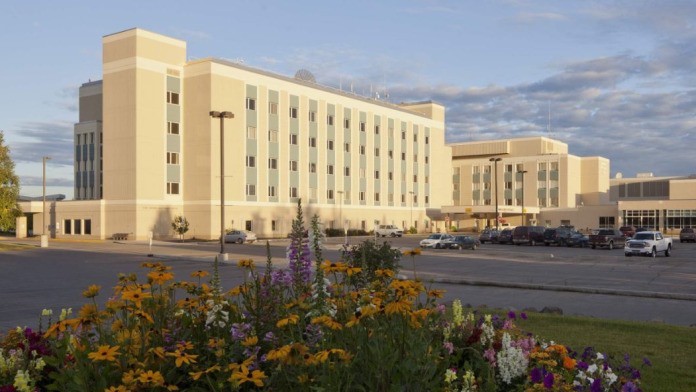
Copper River Native Association - Behavioral Health
1
Top 10 Rehab Centers In Copper Center



















































































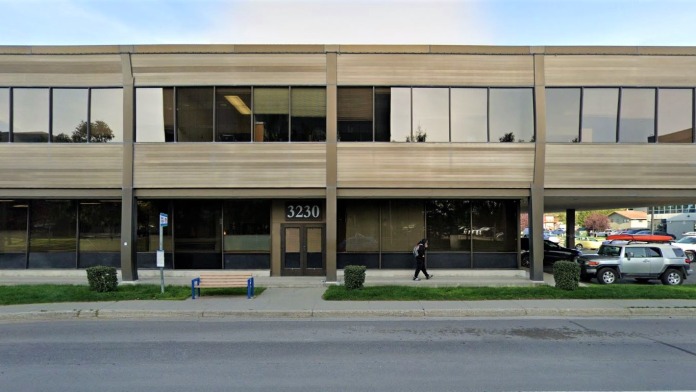
Anchorage Comprehensive Treatment Center provides direct services to men and women in their outpatient clinic. Services include:
FDA-approved medications are combined with mental health treatment to support clients physically, mentally, and emotionally. Individual therapy and group therapy is offered. Clients may receive their medication during dosing hours Monday through Friday, along with Saturday mornings. The medications are manufactured to help mitigate withdrawal symptoms and help reduce cravings. They also reduce the likelihood of relapse by preventing relapse. Clients will focus on relapse prevention planning, skills for coping with stress and triggers, and the emotional challenges that led to the addiction. If a client needs a higher level of care, he or she may be referred to an addiction center that provides inpatient treatment.


 Our Methodology


Private insurance refers to any kind of healthcare coverage that isn't from the state or federal government. This includes individual and family plans offered by an employer or purchased from the Insurance Marketplace. Every plan will have different requirements and out of pocket costs so be sure to get the full details before you start treatment.
Self-pay involves paying for treatment out of your own pocket. You can use savings or credit, get a personal loan, or receive help from family and friends to fund your treatment. If you don't have insurance or your insurance plan doesn't cover a specific program, self-pay can help ensure you still get the care you need.
Medicare is a federal program that provides health insurance for those 65 and older. It also serves people under 65 with chronic and disabling health challenges. To use Medicare for addiction treatment you need to find a program that accepts Medicare and is in network with your plan. Out of pocket costs and preauthorization requirements vary, so always check with your provider.
Medicaid is a state based program that helps lower-income individuals and families pay for healthcare. Medicaid covers addiction treatment so those enrolled can use their coverage to pay for rehab. When a program accepts Medicaid the client often pays very little or nothing out of their own pocket.
Outpatient Programs (OP) are for those seeking mental rehab or drug rehab, but who also stay at home every night. The main difference between outpatient treatment (OP) and intensive outpatient treatment (IOP) lies in the amount of hours the patient spends at the facility. Most of the time an outpatient program is designed for someone who has completed an inpatient stay and is looking to continue their growth in recovery. Outpatient is not meant to be the starting point, it is commonly referred to as aftercare.
Drug and alcohol addiction often takes a heavy toll on one’s body. Over time, a physical dependence can develop, meaning the body physiologically needs the substance to function. Detox is the process of removing drugs and/or alcohol from the body, a process that can be lethal if mismanaged. Medical detox is done by licensed medical professionals who monitor vital signs and keep you safe, healthy, and as comfortable as possible as you go through detox and withdrawal. Linden Oak's Addiction Services unit is a separate area within Linden Oaks Hospital that offers treatment for those undergoing withdrawal as they stop the cycle of addiction. Patients are detoxified under the care of a psychiatrist, and their staff has specialized training to provide the medication, monitoring and support needed during the withdrawal process.
Adult rehab programs include therapies tailored to each client's specific needs, goals, and recovery progress. They are tailored to the specific challenges adult clients may face, including family and work pressures and commitments. From inpatient and residential treatment to various levels of outpatient services, there are many options available. Some facilities also help adults work through co-occurring conditions, like anxiety, that can accompany addiction.
People in Alaska seeking individual therapy for drug addiction receive personalized support to explore the root causes of their substance abuse. Your therapist guides you in developing healthier coping mechanisms and setting realistic goals. Your therapist also uses a customized approach to improve the effectiveness of the treatment and promote sustainable recovery.
Men and women who struggle with drug addiction benefit from group therapy. These sessions offer the opportunity to share experiences and learn coping strategies from their peers. Participants share similar struggles that can help foster mutual support and understanding.

The Substance Abuse and Mental Health Services Administration (SAMHSA) is a branch of the U.S. Department of Health and Human Services. Established in 1992 by congress, SAMHSA's mission is to reduce the impact of substance abuse and mental illness on American's communities.
SAMHSA Listed: Yes

The National Association of Addiction Treatment Providers (NAATP) is a professional association that represents organizations in the field of addiction services. Founded in 1978, NAATP's mission is to advance addiction services and ensure that high-quality addiction treatment is available and accessible.
NAATP Member: Yes
Rehab.com regularly reviews this listing for accuracy but changes may occur between updates. For the most up-to-date information, please contact Anchorage Comprehensive Treatment Center.

3230 C St
Suite 100
Anchorage, AK 99503
Sponsored Helpline

I transferred from the stellar juneau clinic after some awful life changes and the move was quick as my husband and I were switching jobs, I have been a phase 27 for almost 4 years when I transferred. Juneau did not send my complete records but they did send enough that this clinic had knowledge I was a model patient and had my 27 for quite some time. I have been a methadone patient for 11 years and MAT saved my life. When I entered treatment I was serious about being sober. It took so much work to get to that phase and I am very proud to say that I have ALWAYS been told at every clinic I have been to that I am one of their best patients and they wish all their patients were as dedicated to recovery as I am. The day I came in for intake I met with a lady that was supposed to be my counselor and she was nice enough but when she took my history she got it all wrong and even put down that I was suicidal!!! I was the farthest thing from it. There was a question about if you have ever been suicidal and I said yes when I was using drugs I was suicidal! Many of us are or reach that point when we are at our worst but that was almost a decade ago! I was immediately told I would not be getting my 27 bottles any longer and was given no real reason until weeks later when I continued to question why or how I could remedy that situation because I was working and having to go into work late every other week was becoming an issue and aside from that I had done nothing wrong but I kept getting told that once ALL my records came then maybe I could get them back. I did all I could I to help obtain my missing records but they did have enough records that showed I was a phase 27 and that ALL my drug screens were ALWAYS clean. When I finally was able to sit down and talk to a lady with longer blonde hair because I wanted to understand exactly what they wanted for me to get back on track she told me that my sudden decision to move from Juneau to anchorage and take another job while I had three children shows instability!! I was floored, I had two special needs children and Juneau had very little medical care and while the move and job change was quick because the company needed us to start quickly the fact that they said that showed instability. I felt incredibly judged and explained very respectfully that I was sorry they felt that way but I still didn’t feel that was a legitimate reason to treat me the way that they were treating me. The doctor I saw was a lady and she was extremely cold, with zero bedside manner and who knows maybe she was burnt out by all the people who abuse the MAT system but regardless I feel like each patient should be treated as a individual and that their track record in treatment should reflect on them. Every clinic I have been to before that one has showed me compassion support and treated me as my own person and I had some level of trust with them because of my track record. This place truly gave me ptsd, I tried so hard to jump through every single hoop they wanted and even when I did that I was still treated like crap. I began to become a nervous wreck and truly for the very first time since I was in treatment for all these years I felt the least stable at this clinic, I honestly have not have cravings in YEARS but while at this clinic they made it so difficult that there were several times I broke down in tears and thought to myself it would be easier just to go and get drugs then to keep trying with this place. The final straw was being called and told that I had a diluted drug screen which I had no clue what that even was but they said I had to come for a bottle check and new drug screen which I did but they were going to take me down from two weeks to one week or maybe even dose me daily. I came in passed the bottle check and my drug screen and told them I was transferring and they let me keep my two weeks to transfer with but when I told the lady I truly had done nothing to my “diluted” drug screen she treated me as if I most certainly had tried to cheat it.. don’t go here!!!

I wish Alaska had more treatment options for people up here. This and two other clinics like it are what they have outside of ideal option. It’s sad cause so many people really need more help and they’re not getting it.

I have been a client since 2018 and it has saved my life. With the right dose you too can gain your freedom from addiction BUT ONLY IF YOU'RE READY UP STOP

 Back
Back
Sharing your insights and experiences can help others learn more about this rehab center.

 Written By: Terri Beth Miller
PhD Author, Award-Winning Post-Secondary Teacher
Written By: Terri Beth Miller
PhD Author, Award-Winning Post-Secondary Teacher


