A bipartisan coalition of state attorneys general is pressing Congress not to postpone that date. For families researching addiction treatment for delta-8 or delta-10 use, the timing matters.
What the Attorneys General Are Asking For
Indiana Attorney General Todd Rokita co-led the coalition on August 4, directing lawmakers to reject efforts to delay implementation of the new federal definition of hemp.
A continuing resolution under consideration in Congress would postpone that definition, which lawmakers enacted in November 2025 and which is scheduled to take effect this November.
The attorneys general argue that a delay would hand the intoxicating hemp industry another chance to reopen a loophole Congress already voted to close.
In their framing, the products at issue mimic marijuana, sell outside state marijuana regulation, and reach buyers in gas stations, smoke shops, and convenience stores. “Reject the delay, keep your promise and let the law take effect,” Rokita said in the statement announcing the letter.
How the THC Loophole Took Shape
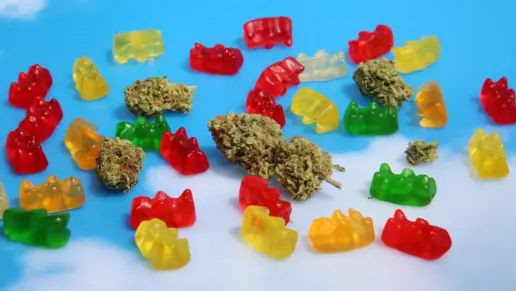
The 2018 Farm Bill defined hemp in a way that manufacturers used to market delta-8 THC, delta-10 THC, and other psychoactive cannabinoids as hemp rather than as controlled substances.
Rokita issued an official advisory opinion in 2023 concluding that intoxicating THC products marketed as hemp are controlled substances under Indiana law, and he has since pushed to align state and federal rules.
Congress adopted a narrower definition in November 2025. The attorneys general say delaying it would create renewed litigation, regulatory uncertainty, increased youth access to intoxicating THC products, and a competitive disadvantage for businesses that already spent money to comply.
Where the Debate Stands
The letter reflects one side of an active policy dispute. Hemp industry groups and some lawmakers have argued that the 2025 definition sweeps in low-potency and non-intoxicating products, threatens jobs in a legal agricultural sector, and gives businesses and regulators too little time to adjust.
The source report carries the attorneys general position and does not include that response. Congress has not resolved the question, and the continuing resolution remains under consideration.
Rehab.com does not take a position on the policy. Readers following the debate should know that the legal status of a product and its potential for harm are separate questions, and both remain contested.
What This Means for Treatment Seekers
Cannabis use disorder is a recognized clinical diagnosis, and the potency of products sold as hemp varies widely from one package to the next.
Anyone who has tried to stop using delta-8 or delta-9 products and could not, or who is watching a family member struggle, does not need to wait for a legal question to resolve before looking at treatment options.
Rehab centers that treat cannabis use disorder typically offer outpatient therapy, and many address co-occurring anxiety or depression at the same time.
Insurance coverage for addiction treatment often extends to cannabis use disorder the same way it covers alcohol or opioid treatment, though plan details vary and are worth confirming before intake.
Finding the Right Rehab
If a legally sold cannabinoid product has become a problem, a few steps help narrow the field. Compare rehab centers that list cannabis use disorder among the conditions they treat.
Verify licensure and accreditation before committing to a program. Ask directly how a facility handles co-occurring mental health conditions, since anxiety and heavy cannabis use frequently travel together. Confirm what your insurance covers ahead of intake rather than after.
The Rehab.com directory lets you filter treatment centers by location, level of care and insurance accepted. Call
800-985-8516
(  Sponsored Helpline )
to get in touch with a treatment specialist today.
Sponsored Helpline )
to get in touch with a treatment specialist today.