











All In Solutions Wellness Center
1
Top 10 Rehab Centers In West Palm Beach



















































































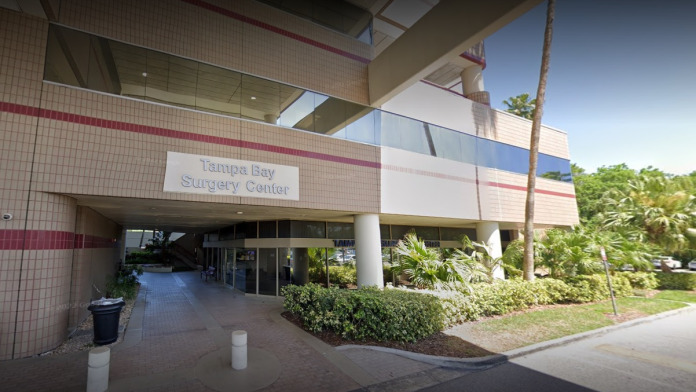
BayCare accepts private insurance as well as Medicare and Medicaid. If you do not have insurance, they have a sliding fee scale for treatment. No one is ever turned away because they cannot pay.
They offer detoxification assistance to people who have severe withdrawal issues. They can also prescribe medications for people with certain psychological conditions. If you have opiate use disorder, they can administer doses of withdrawal medication until you can take it on your own.
They can provide intervention assistance if you have a friend or relative whom you believe has a substance problem. Intervention can involve training family members on how to talk to someone with a substance use disorder. Some interventions involve a therapist talking directly to a person who may have substance issues.
You will be assigned to a case manager when you go in for your initial assessment. You may have occasional meetings with the case manager to monitor your progress.
Each client has individual therapy, but the specific treatment method that they use will be tailored to you. They offer an aftercare program that may include group therapy and community 12 Step meetings that provide ongoing support after your treatment program ends.
 50
50  91+
91+ 
 Our Methodology


Medicaid is a state based program that helps lower-income individuals and families pay for healthcare. Medicaid covers addiction treatment so those enrolled can use their coverage to pay for rehab. When a program accepts Medicaid the client often pays very little or nothing out of their own pocket.
Private insurance refers to any kind of healthcare coverage that isn't from the state or federal government. This includes individual and family plans offered by an employer or purchased from the Insurance Marketplace. Every plan will have different requirements and out of pocket costs so be sure to get the full details before you start treatment.
Self-pay involves paying for treatment out of your own pocket. You can use savings or credit, get a personal loan, or receive help from family and friends to fund your treatment. If you don't have insurance or your insurance plan doesn't cover a specific program, self-pay can help ensure you still get the care you need.
Medicare is a federal program that provides health insurance for those 65 and older. It also serves people under 65 with chronic and disabling health challenges. To use Medicare for addiction treatment you need to find a program that accepts Medicare and is in network with your plan. Out of pocket costs and preauthorization requirements vary, so always check with your provider.
Outpatient Programs (OP) are for those seeking mental rehab or drug rehab, but who also stay at home every night. The main difference between outpatient treatment (OP) and intensive outpatient treatment (IOP) lies in the amount of hours the patient spends at the facility. Most of the time an outpatient program is designed for someone who has completed an inpatient stay and is looking to continue their growth in recovery. Outpatient is not meant to be the starting point, it is commonly referred to as aftercare.
Drug and alcohol addiction often takes a heavy toll on one's body. Over time, a physical dependence can develop, meaning the body physiologically needs the substance to function. Detox is the process of removing drugs and/or alcohol from the body, a process that can be lethal if mismanaged. Medical detox is done by licensed medical professionals who monitor vital signs and keep you safe, healthy, and as comfortable as possible as you go through detox and withdrawal.
The goal of treatment for alcoholism is abstinence. Those with poor social support, poor motivation, or psychiatric disorders tend to relapse within a few years of treatment. For these people, success is measured by longer periods of abstinence, reduced use of alcohol, better health, and improved social functioning. Recovery and Maintenance are usually based on 12 step programs and AA meetings.
Drug rehab in Florida provides quality treatment to help individuals overcome dependency related to a wide range of addictive substances. Programs address both the physical and mental aspects of addiction in order to help you make a full recovery.
Many of those suffering from addiction also suffer from mental or emotional illnesses like schizophrenia, bipolar disorder, depression, or anxiety disorders. Rehab and other substance abuse facilities treating those with a dual diagnosis or co-occurring disorder administer psychiatric treatment to address the person's mental health issue in addition to drug and alcohol rehabilitation.
A combined mental health and substance abuse rehab has the staff and resources available to handle individuals with both mental health and substance abuse issues. It can be challenging to determine where a specific symptom stems from (a mental health issue or an issue related to substance abuse), so mental health and substance abuse professionals are helpful in detangling symptoms and keeping treatment on track.
Opioid rehabs specialize in supporting those recovering from opioid addiction. They treat those suffering from addiction to illegal opioids like heroin, as well as prescription drugs like oxycodone. These centers typically combine both physical as well as mental and emotional support to help stop addiction. Physical support often includes medical detox and subsequent medical support (including medication), and mental support includes in-depth therapy to address the underlying causes of addiction.
Adult rehab programs include therapies tailored to each client's specific needs, goals, and recovery progress. They are tailored to the specific challenges adult clients may face, including family and work pressures and commitments. From inpatient and residential treatment to various levels of outpatient services, there are many options available. Some facilities also help adults work through co-occurring conditions, like anxiety, that can accompany addiction.
Young adulthood can be an exciting, yet difficult, time of transition. Individuals in their late teens to mid-20s face unique stressors related to school, jobs, families, and social circles, which can lead to a rise in substance use. Rehab centers with dedicated young adult programs will include activities and amenities that cater to this age group, with an emphasis on specialized counseling, peer socialization, and ongoing aftercare.
Therapists who apply cognitive behavioral therapy in Florida believe patient thoughts and behaviors are closely linked. They use this treatment method to help clients change their thought patterns so they can also change behaviors and break free from substance abuse.
Dialectical Behavior Therapy (DBT) is a modified form of Cognitive Behavioral Therapy (CBT), a treatment designed to help people understand and ultimately affect the relationship between their thoughts, feelings, and behaviors. DBT is often used for individuals who struggle with self-harm behaviors, such as self-mutilation (cutting) and suicidal thoughts, urges, or attempts. It has been proven clinically effective for those who struggle with out-of-control emotions and mental health illnesses like Borderline Personality Disorder.
Motivational Interviewing (MI) is a clinical approach to helping people with substance abuse issues and other conditions shift behavior in positive ways. It is more goal-oriented than traditional psychotherapy, as MI counselors directly attempt to get clients to consider making behavioral change (rather than wait for them to come to conclusions themselves). Its primary purpose is to resolve ambivalence and help clients become able to make healthy choices freely.
Trauma therapy helps you work through the psychological impact that traumatic events have had on your life. Your therapist helps you identify the physical, emotional, and mental triggers and develop coping mechanisms. This helps rebuild a sense of safety and trust in yourself and others.
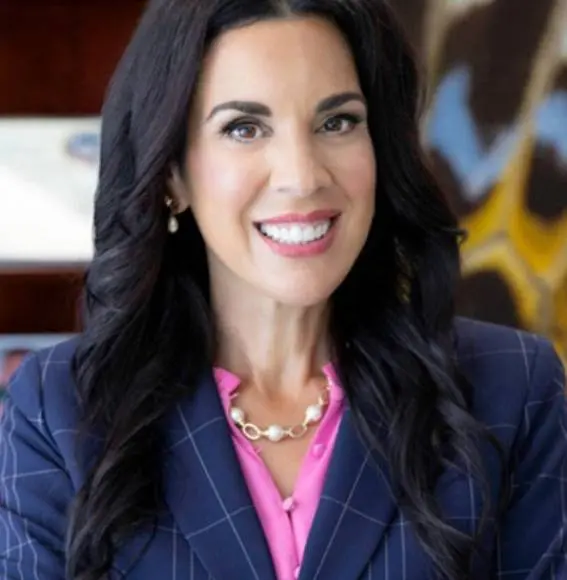
President and CEO
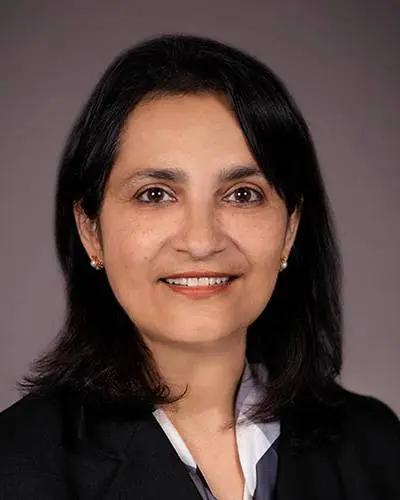
Chief Physician Executive
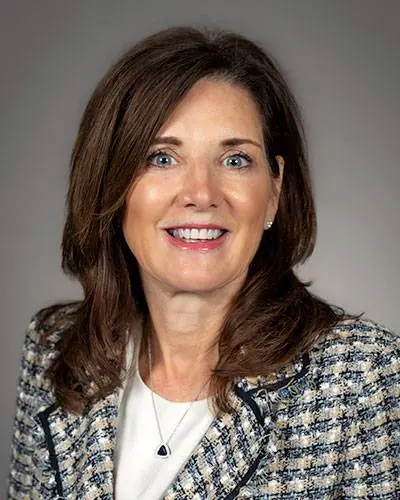
Chief Financial Officer
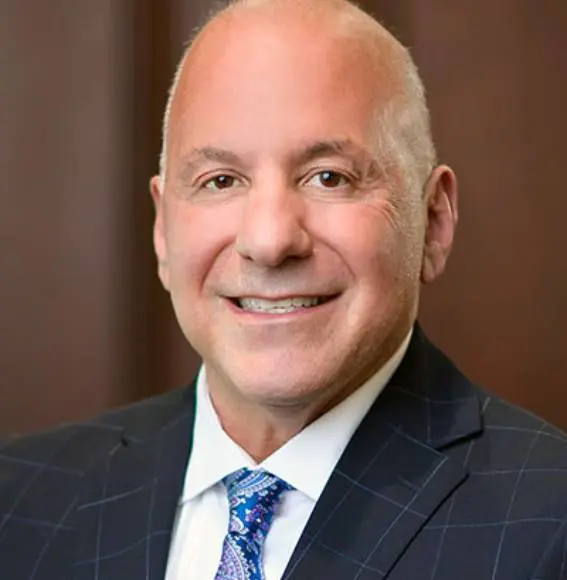
Co-Chief Operating Officer
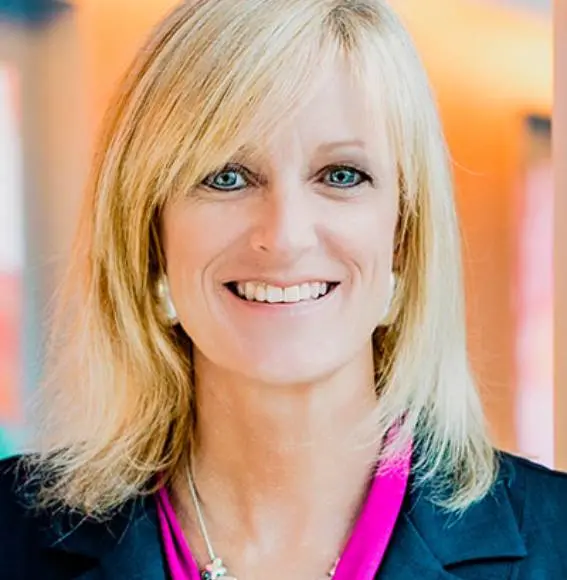
Co-Chief Operating Officer
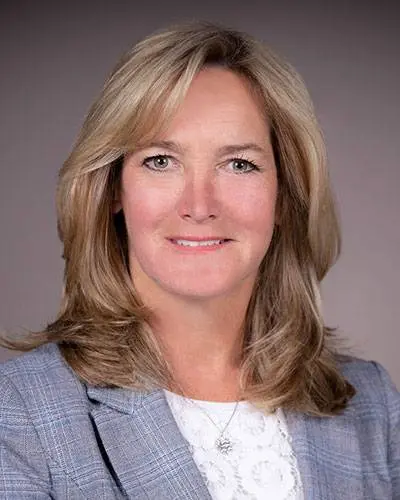
Chief Nurse Executive
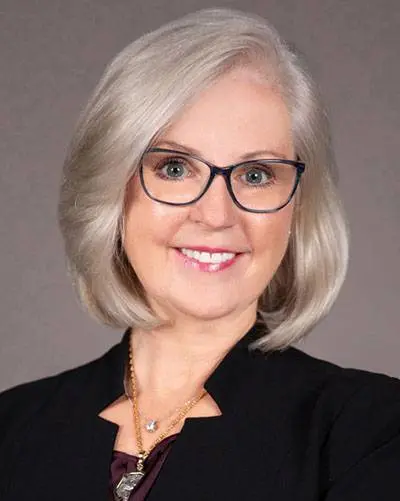
Chief Team Resources Officer
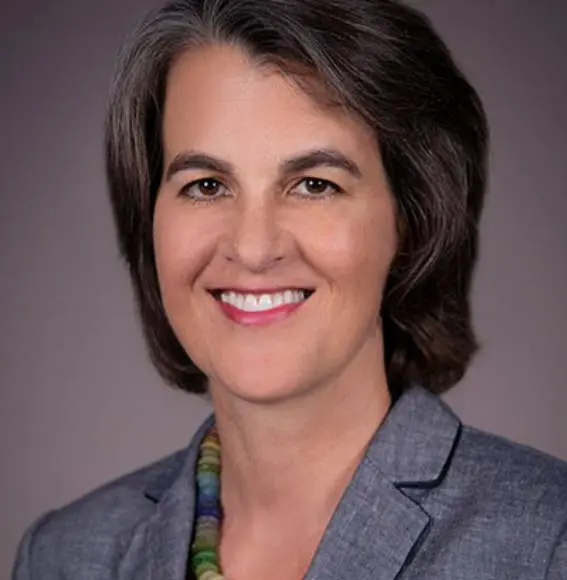
Chief of Staff and Chief Communications Officer

The Commission on Accreditation of Rehabilitation Facilities (CARF) is a non-profit organization that specifically accredits rehab organizations. Founded in 1966, CARF's, mission is to help service providers like rehab facilities maintain high standards of care.
CARF Accreditation: Yes
Accreditation Number: 200380

The Substance Abuse and Mental Health Services Administration (SAMHSA) is a branch of the U.S. Department of Health and Human Services. Established in 1992 by congress, SAMHSA's mission is to reduce the impact of substance abuse and mental illness on American's communities.
SAMHSA Listed: Yes
Rehab.com regularly reviews this listing for accuracy but changes may occur between updates. For the most up-to-date information, please contact BayCare Behavioral Health- Life Management Center (Tampa).

2727 West Dr Mlk Jr Boulevard
Suite 640
Tampa, FL 33607
Sponsored Helpline

They wouldn’t schedule an appointment without having discharge paperwork for an already established patient. That same patient came in person to schedule the appointment with the paperwork in hand and they failed to scan in the paperwork for the appointment. So the patient came to the appointment and was turned away because no one had their discharge paperwork . The nurse practitioner Jade did not show any compassion, didn’t offer any solutions, the client had their medical records electronically but still she just simply dismissed the client who is due for their medication any day now . This is why mental health patients struggle to get the necessary treatment

I took my son here and we were not satisfied with the care. We decided not to reschedule. We received a letter a few months later that says “page 1 of 2” but only one page included. This letter was a warning that we missed an appointment and would be charged. I explicitly told the doctor and front desk that we do not wish to reschedule at this time. Additionally, on our first day we were not charged anything. I asked the front desk how much subsequent visits will cost, as that would sway our decision on how often we come, and were told there are no costs for future visits for this year, but a new analysis would be needed for the following year. When we returned a few weeks later, we were billed for that visit.

I had a great 2 years with Chedelie Jones, NP, then she like many others LEFT the practice! I was then transferred to Maribel Luna to continue where the last one had stopped. She was VERY cold! She was accusatory and within a few minutes I was completely shut down to regulate myself. She has decided on her own, that she should reduce my anxiety meds when in fact my anxiety has increased and have way more going on in my life than she could care for! She refused to prescribe a medication I’ve been on in the same office!!! — simply because I have a Florida medical marijuana card. This was a HUGE shock! She tried to label me a criminal and an addict. I had a very similar experience with the therapist in the same office. I walked out of therapy once they started the judgement and not listening or hearing what I've been through. She made me feel so uncomfortable and she knew she was going to reduce my medicine so they took my blood pressure AFTER which was VERY manipulative considering I'm trying to be helped not have a heart attack!

worse place ive been too nurses dont care and stay up laughing all night could rarely sleep the technicians were fine its just all the nurses and psychiatrist that are horrible this was the worst experience going here wouldn’t recommend to nobody
 Back
Back
Sharing your insights and experiences can help others learn more about this rehab center.
 Written By: Eliza Gale