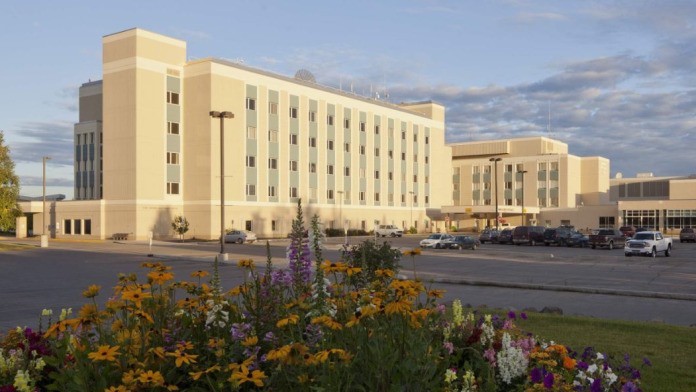
Copper River Native Association - Behavioral Health
1
Top 10 Rehab Centers In Copper Center





















































































 Our Methodology


Private insurance refers to any kind of healthcare coverage that isn't from the state or federal government. This includes individual and family plans offered by an employer or purchased from the Insurance Marketplace. Every plan will have different requirements and out of pocket costs so be sure to get the full details before you start treatment.
Self-pay involves paying for treatment out of your own pocket. You can use savings or credit, get a personal loan, or receive help from family and friends to fund your treatment. If you don't have insurance or your insurance plan doesn't cover a specific program, self-pay can help ensure you still get the care you need.
Financial aid can take many forms. Centers may have grants or scholarships available to clients who meet eligibility requirements. Programs that receive SAMHSA grants may have financial aid available for those who need treatment as well. Grants and scholarships can help you pai for treatment without having to repay.
Military members, veterans, and eligible dependents have access to specific insurance programs that help them get the care they need. TRICARE and VA insurance can help you access low cost or no cost addiction and mental health treatment. Programs that accept military insurance often have targeted treatment focused on the unique challenges military members, veterans, and their families face.
Outpatient Programs (OP) are for those seeking mental rehab or drug rehab, but who also stay at home every night. The main difference between outpatient treatment (OP) and intensive outpatient treatment (IOP) lies in the amount of hours the patient spends at the facility. Most of the time an outpatient program is designed for someone who has completed an inpatient stay and is looking to continue their growth in recovery. Outpatient is not meant to be the starting point, it is commonly referred to as aftercare.
Inpatient rehab enables clients to focus exclusively on their recovery in a highly structured and supportive environment. Housing, meals, and recreational activities are provided. Inpatient treatment allows clients to engage in extensive addiction counseling and recovery education. The environment also provides clients with an opportunity to prepare for the transition to outpatient care or community-based recovery programs.
The process of ridding your body of addictive substances under the 24/7 medical supervision is known and medically assisted detox. In an inpatient setting, a team of licensed medical professionals may include doctors, nurses, therapists, and clinical experts. The team will monitor the physical effects of withdrawal and help keep you as safe and comfortable as possible throughout the process.
Many of those suffering from addiction also suffer from mental or emotional illnesses like schizophrenia, bipolar disorder, depression, or anxiety disorders. Rehab and other substance abuse facilities treating those with a dual diagnosis or co-occurring disorder administer psychiatric treatment to address the person's mental health issue in addition to drug and alcohol rehabilitation.
Mental health rehabs focus on helping individuals recover from mental illnesses like bipolar disorder, clinical depression, anxiety disorders, schizophrenia, and more. Mental health professionals at these facilities are trained to understand and treat mental health issues, both in individual and group settings.
Adult rehab programs include therapies tailored to each client's specific needs, goals, and recovery progress. They are tailored to the specific challenges adult clients may face, including family and work pressures and commitments. From inpatient and residential treatment to various levels of outpatient services, there are many options available. Some facilities also help adults work through co-occurring conditions, like anxiety, that can accompany addiction.
Young adulthood can be an exciting, yet difficult, time of transition. Individuals in their late teens to mid-20s face unique stressors related to school, jobs, families, and social circles, which can lead to a rise in substance use. Rehab centers with dedicated young adult programs will include activities and amenities that cater to this age group, with an emphasis on specialized counseling, peer socialization, and ongoing aftercare.
Recovery is most successful when clients feel accepted and validated by their peers and treatment providers. Facilities that offer LGBTQ-inclusive programming are committed to creating a safe space where everyone can grow and recover without fear of judgment or discrimination. They will have dedicated policies in place to create a safe and supportive environment that fosters free expression.
Group therapy is any therapeutic work that happens in a group (not one-on-one). There are a number of different group therapy modalities, including support groups, experiential therapy, psycho-education, and more. Group therapy involves treatment as well as processing interaction between group members.
In individual therapy, a patient meets one-on-one with a trained psychologist or counselor. Therapy is a pivotal part of effective substance abuse treatment, as it often covers root causes of addiction, including challenges faced by the patient in their social, family, and work/school life.
Whether a marriage or other committed relationship, an intimate partnership is one of the most important aspects of a person's life. Drug and alcohol addiction affects both members of a couple in deep and meaningful ways, as does rehab and recovery. Couples therapy and other couples-focused treatment programs are significant parts of exploring triggers of addiction, as well as learning how to build healthy patterns to support ongoing sobriety.
Research clearly demonstrates that recovery is far more successful and sustainable when loved ones like family members participate in rehab and substance abuse treatment. Genetic factors may be at play when it comes to drug and alcohol addiction, as well as mental health issues. Family dynamics often play a critical role in addiction triggers, and if properly educated, family members can be a strong source of support when it comes to rehabilitation.
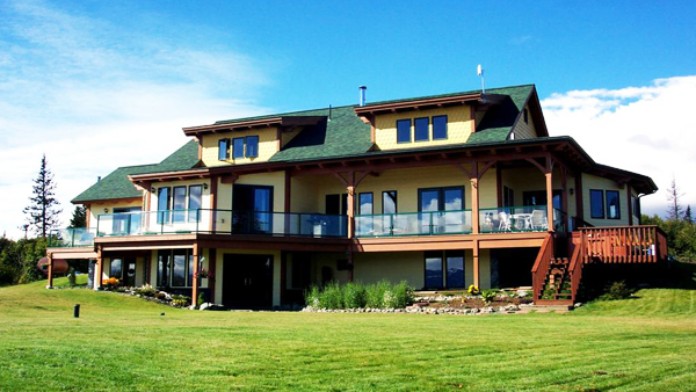
 Residential Setting
  Private Rooms
Executive Director
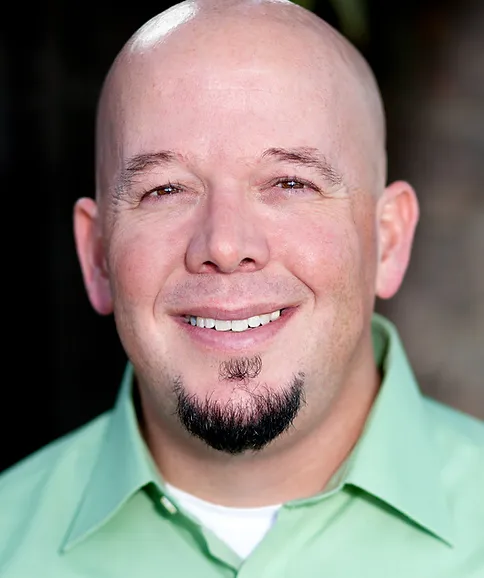
Licensed Professional Counselor

Nurse Practitioner

Licensed Professional Counselor

Advanced Nurse Practitioner

Licensed Professional Counselor
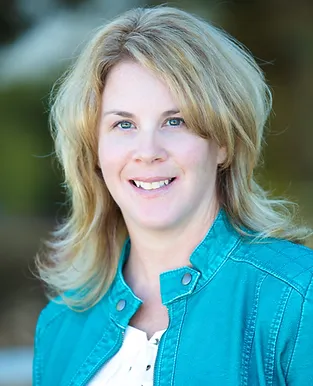
Licensed Professional Counselor

Licensed Professional Counselor
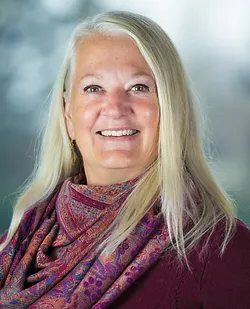
Licensed Professional Counselor

Licensed Clinical Social Worker

Licensed Clinical Psychologist
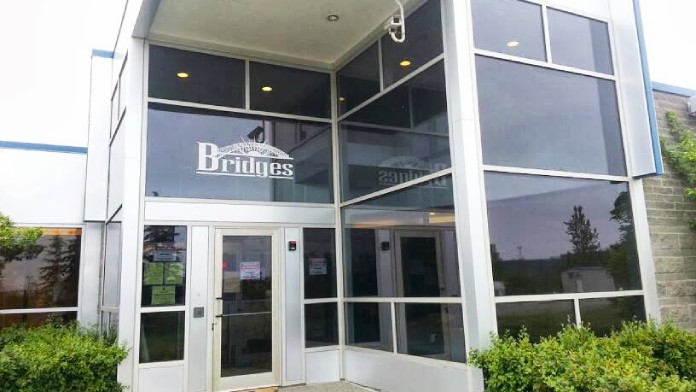
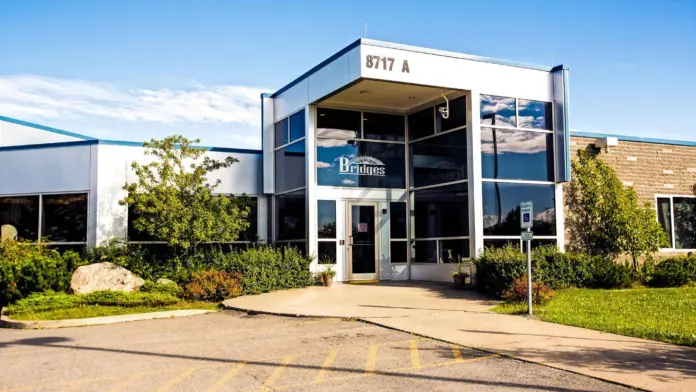
Rehab.com regularly reviews this listing for accuracy but changes may occur between updates. For the most up-to-date information, please contact Bridges Counseling Connections.

8717 Dimond D Circle
Anchorage, AK 99515
Sponsored Helpline


Absolutely love the staff. Im so thankful for everyone who I have talked with. Therapy is so important, and this group of people are so wonderful.

Needed in backyard. Let in back yard. Five stars

The intake was smooth and I was easily matched with a therapist. We met weekly for a few months, and then I cancelled a session due to a death in the family. During those sessions, I felt like my therapist talked a lot more than listened and could tell through the body language he was not invested in the sessions. In addition, starting and ending sessions early, it was beginning to be obvious. I had not given up and thought about getting matched with another therapist until it became obvious Bridges did not have interest in my therapy. I called and recommended they follow up with clients especially after they call cancelling due to a death. The lady on the other end said "oh does that mean you want to end your sessions." Do better Bridges! You are dealing with humans.
 Back
Back
Sharing your insights and experiences can help others learn more about this rehab center.