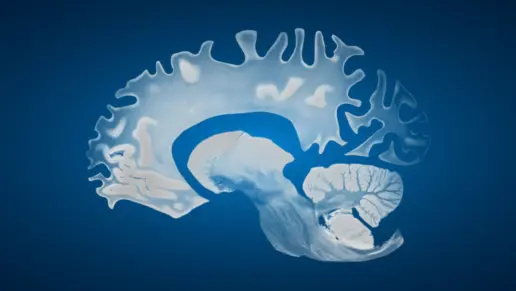


























































































In fruit flies, Brown University scientists identified a molecular connection between hunger and alcohol-related reward memories.
The work was led by researchers at Brown’s Carney Institute for Brain Science. It adds detail to earlier studies in Karla Kaun’s laboratory on how memories of alcohol as rewarding can drive cravings.
The Impact of Hunger on Alcohol Reward Memories
The team mapped and isolated hunger-responsive neurons in the common fruit fly, a model used to observe neural behavior.
Hunger activated neurons containing octopamine in food-deprived flies. Octopamine is a neurotransmitter comparable to human norepinephrine.
Kaun said the results suggest hunger can recruit neurons that communicate with circuits linking environmental cues to a rewarding feeling connected with alcohol.
She offered a human example to illustrate the concept. Someone who regularly passes a favorite bar after work might notice its sign more strongly after skipping lunch.
A cue that usually has little pull feels more tempting. That example explains the researchers’ hypothesis; the experiment itself was conducted in flies, not people leaving work.
Lewis Sherer, a study first author and postdoctoral researcher at Brown, said understanding how a fly remembers alcohol could help scientists learn how humans associate cues with alcohol and offer hints for preventing relapse.
The researchers also said the work could help future studies examine how external conditions such as food insecurity affect internal reward systems.
What This Means for Addiction Treatment
Addiction treatment providers cannot use the findings to predict an individual patient’s cravings. The study does not show that eating a meal will prevent alcohol relapse. Its value lies in identifying a biological pathway for further investigation.
Rehab programs can understand the research as fitting a broader clinical interest in how physical states and surroundings interact with learned cues. Patients may discuss stress and meals when reviewing triggers with clinicians.
Those conversations should be based on individual experience rather than assumptions drawn from an animal study.
The findings also do not suggest that hunger is the sole or primary cause of alcohol addiction. Alcohol use disorder involves a combination of biological, psychological and social factors.
Treatment decisions require assessment of various factors such as drinking patterns and withdrawal risk.
The Takeaway for Treatment Seekers
When comparing rehab or alcohol treatment options, you can ask how a program approaches relapse prevention and cue-related cravings.
Useful questions include whether care includes an individualized plan and what support continues after a residential or outpatient episode ends.
Anyone with possible alcohol dependence should also discuss withdrawal before stopping abruptly.
Alcohol withdrawal can cause seizures and other serious complications, so medical supervision may be necessary.
Exploring Treatment Options
Rehab.com’s directory helps treatment seekers compare alcohol rehab and drug rehab providers by location, services and credentials.
Verify the facility’s approach to withdrawal and ongoing care when reviewing treatment options. Confirm insurance coverage directly with the provider and health plan. You can call
800-985-8516
(  Sponsored Helpline )
to get in touch with a treatment advisor today.