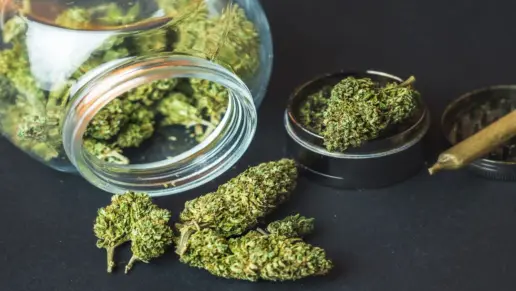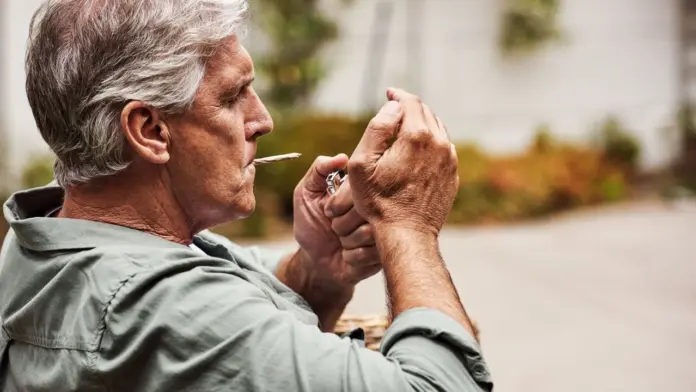
The figures come from a national study published in the journal Addiction and supported by the National Institute on Drug Abuse. The study examined cannabis trends among older US adults.
The researchers found that past month cannabis use among adults 50 and older rose from 4.5 percent between 2005 and 2006 to 12.9 percent between 2022 and 2023.
The prevalence of cannabis use disorder climbed from 0.6 percent to 1.5 percent in the same period. The growth was steepest among the youngest slice of the group which was adults aged 50 to 64.
Behind the Numbers
As more states have legalized medical and recreational use older adults have followed the general population toward daily or near daily consumption.
Many report using cannabis for pain sleep or anxiety. Some use it instead of prescription medications.
That pattern carries a specific risk for this age group. Older adults metabolize drugs more slowly and take multiple prescriptions. Additionally they’re more prone to falls, confusion and drug interactions.
Daily use compounds all of these risks. Clinicians who work with older patients report that heavy cannabis use can quietly mimic or worsen cognitive problems and the line between self medication and dependence gets blurry fast.
The study’s authors note that the rise in use disorder outpaced what simple availability would predict. This suggests that a meaningful subset of older users are developing problematic patterns.
What Cannabis Use Disorder Looks Like
Cannabis use disorder is a clinical diagnosis and its signs are easy to dismiss as habits.
Signs include using more than intended or for longer than planned. Trying and failing to cut back. Spending significant time obtaining using or recovering from use. Experiencing cravings. Continuing despite problems with memory, motivation, relationships or health.
Tolerance and withdrawal are also signs. Cannabis withdrawal can include irritability, sleep, disruption and reduced appetite.
Withdrawal is one reason daily users struggle to stop. The symptoms are not medically dangerous in the way alcohol or benzodiazepine withdrawal can be but they can be uncomfortable enough to drive a person back to use. This can be especially difficult when someone started using cannabis to manage pain or sleep.
Why This Matters for Families
Adult children often miss problematic cannabis use in aging parents because the picture does not match the stereotype. A parent using edibles or vaping for sleep can seem harmless and occasional use may be harmless for some people.
The questions worth asking are the same ones that apply to any substance. Is the use daily? Is the amount climbing? Has the person tried to stop and been unable to? Is memory or balance getting worse in ways that could be related?
If the answers raise concern a conversation with the person’s physician is a reasonable first step. A full medication review can help identify possible interactions or other causes.
Primary care clinicians increasingly screen for cannabis use and older patients often respond better to non judgmental framing than to scare tactics.
Treatment Options for Cannabis Use Disorder
Cannabis use disorder is treatable and most people do not need residential care for it. Evidence based options include cognitive behavioral therapy, motivational enhancement therapy and contingency management. These approaches have research support for reducing cannabis use.
There is no FDA approved medication for the disorder so therapy leads.
For people using multiple substances, or for those whose cannabis use occurs alongside alcohol or prescription misuse, a structured program may make sense. Outpatient treatment and residential rehab can address the fuller picture.
Detox is rarely needed for cannabis alone though supervised withdrawal can help when other substances are involved.
Finding Addiction Treatment
Learn the signs of addiction and how cannabis use disorder is diagnosed. Search Rehab.com’s directory to find rehab centers in your area to compare outpatient and residential options.
Ask programs about their experience treating older adults and polysubstance use. Verify insurance coverage before enrolling and ask about payment plans. Call
800-985-8516
(  Sponsored Helpline )
to speak with someone about addiction treatment options.
Sponsored Helpline )
to speak with someone about addiction treatment options.
The cannabis landscape has shifted for every age group. Older adults are no exception. Rising use in this population deserves the same clear eyed attention given to any other demographic trend in substance use without panic or dismissal.