



























































































About Casa Di Vita
Casa Di Vita is a long term, community based residential treatment program for women in recovery from substance use disorders, located in Buffalo, NY. Women stay for approximately 2 to 3 years while building recovery skills and transitioning to independent living in a structured, supportive environment.
The program emphasizes peer mentorship, personal empowerment and community reintegration, offering a safe and sober home where women learn to live independently, while supported by the recovering community.
Womens Recovery Residence In Buffalo
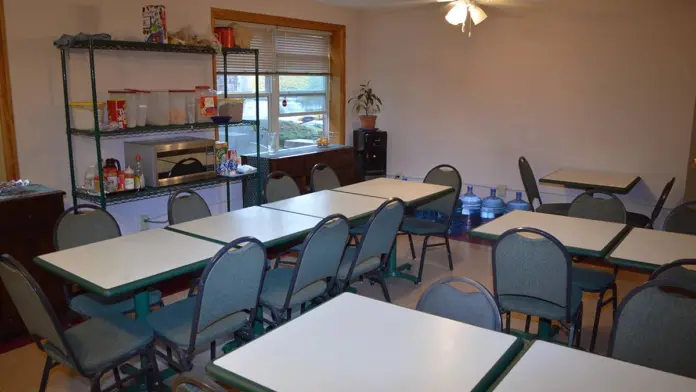
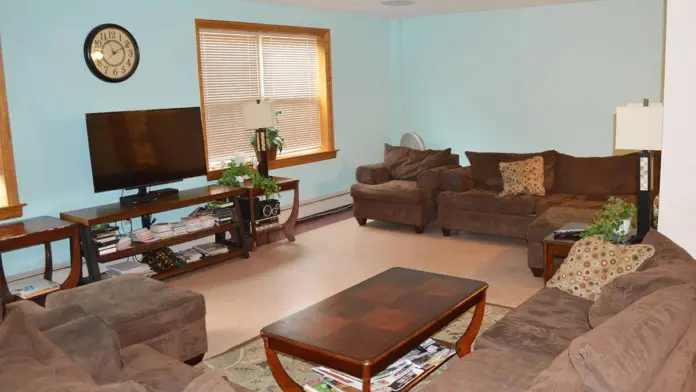
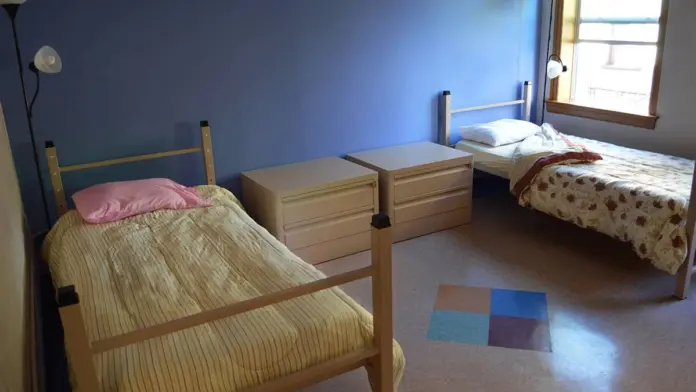
Casa Di Vita provides a women centered residential recovery model designed for those transitioning from inpatient treatment or other higher levels of care. Residents live in a home like setting, where they participate in counseling, group support and clinical services through Cazenovia Recovery, with access to medication assisted treatment as needed.
The program creates a nurturing community, where female mentors and peers share responsibility for supporting the home and one another. Treatment focuses on building a strong recovery support network, relapse prevention and healing from alcoholism and drug addiction in an environment tailored to the unique needs of women in recovery.
Independent Living and Community Reintegration
Casa Di Vita emphasizes helping women establish financial, emotional and personal independence through structured supports in employment, education, finance, transportation and childcare. Experienced staff and peer supports guide residents, as they develop the skills needed to embrace independent living and successfully reintegrate into the community.
Location, Services and Getting Started
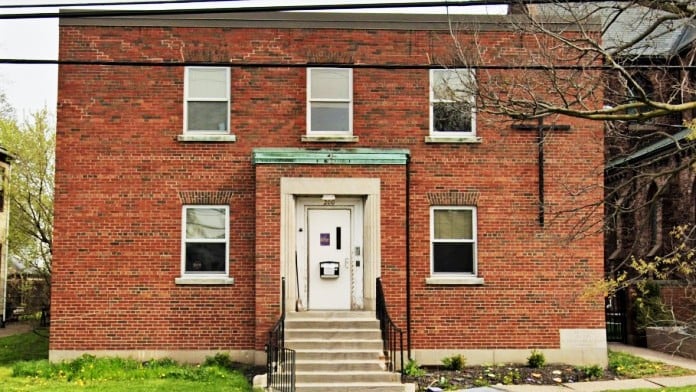
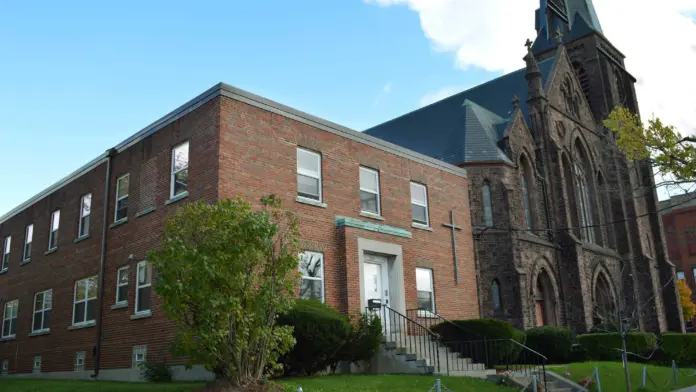
Casa Di Vita serves women at its residential facility on Albany Street in Buffalo, NY. The program offers long term ,in person residential treatment with comprehensive clinical, peer and wraparound support.
Payment and insurance information can be discussed during the admissions process.
Facility Overview
 19
19 
Rehab Score
 Our Methodology


Gallery
Other Forms of Payment
Medicaid is a state based program that helps lower-income individuals and families pay for healthcare. Medicaid covers addiction treatment so those enrolled can use their coverage to pay for rehab. When a program accepts Medicaid the client often pays very little or nothing out of their own pocket.
Financial aid can take many forms. Centers may have grants or scholarships available to clients who meet eligibility requirements. Programs that receive SAMHSA grants may have financial aid available for those who need treatment as well. Grants and scholarships can help you pai for treatment without having to repay.
Sliding scale payments are based on a client's income and family size. The goal is to make treatment affordable to everyone. By taking these factors into account, addiction recovery care providers help ensure that your treatment does not become a financial burden to you or your family, eliminating one barrier to care.
Medicare is a federal program that provides health insurance for those 65 and older. It also serves people under 65 with chronic and disabling health challenges. To use Medicare for addiction treatment you need to find a program that accepts Medicare and is in network with your plan. Out of pocket costs and preauthorization requirements vary, so always check with your provider.
Military members, veterans, and eligible dependents have access to specific insurance programs that help them get the care they need. TRICARE and VA insurance can help you access low cost or no cost addiction and mental health treatment. Programs that accept military insurance often have targeted treatment focused on the unique challenges military members, veterans, and their families face.
Self-pay involves paying for treatment out of your own pocket. You can use savings or credit, get a personal loan, or receive help from family and friends to fund your treatment. If you don't have insurance or your insurance plan doesn't cover a specific program, self-pay can help ensure you still get the care you need.
Private insurance refers to any kind of healthcare coverage that isn't from the state or federal government. This includes individual and family plans offered by an employer or purchased from the Insurance Marketplace. Every plan will have different requirements and out of pocket costs so be sure to get the full details before you start treatment.
Addiction Treatments
Levels of Care
Outpatient Programs (OP) are for those seeking mental rehab or drug rehab, but who also stay at home every night. The main difference between outpatient treatment (OP) and intensive outpatient treatment (IOP) lies in the amount of hours the patient spends at the facility. Most of the time an outpatient program is designed for someone who has completed an inpatient stay and is looking to continue their growth in recovery. Outpatient is not meant to be the starting point, it is commonly referred to as aftercare.
At certain points in the recovery process, it's important to have support available 24/7. 24-hour clinical care offers a safe environment in which to recover from drug or alcohol addiction in peace, knowing medical detox and other treatment will happen with professionals on hand.
Treatments
The goal of treatment for alcoholism is abstinence. Those with poor social support, poor motivation, or psychiatric disorders tend to relapse within a few years of treatment. For these people, success is measured by longer periods of abstinence, reduced use of alcohol, better health, and improved social functioning. Recovery and Maintenance are usually based on 12 step programs and AA meetings.
When you choose drug rehab in New York, you'll participate in a variety of treatments that are designed to help you live a drug-free lifestyle. Common methods of treatment include group, individual, and family counseling, medication management, nutrition, exercise, and management of co-occurring mental health disorders.
Many of those suffering from addiction also suffer from mental or emotional illnesses like schizophrenia, bipolar disorder, depression, or anxiety disorders. Rehab and other substance abuse facilities treating those with a dual diagnosis or co-occurring disorder administer psychiatric treatment to address the person's mental health issue in addition to drug and alcohol rehabilitation.
A combined mental health and substance abuse rehab has the staff and resources available to handle individuals with both mental health and substance abuse issues. It can be challenging to determine where a specific symptom stems from (a mental health issue or an issue related to substance abuse), so mental health and substance abuse professionals are helpful in detangling symptoms and keeping treatment on track.
Opioid rehabs specialize in supporting those recovering from opioid addiction. They treat those suffering from addiction to illegal opioids like heroin, as well as prescription drugs like oxycodone. These centers typically combine both physical as well as mental and emotional support to help stop addiction. Physical support often includes medical detox and subsequent medical support (including medication), and mental support includes in-depth therapy to address the underlying causes of addiction.
Programs
Adult rehab programs include therapies tailored to each client's specific needs, goals, and recovery progress. They are tailored to the specific challenges adult clients may face, including family and work pressures and commitments. From inpatient and residential treatment to various levels of outpatient services, there are many options available. Some facilities also help adults work through co-occurring conditions, like anxiety, that can accompany addiction.
Clinical Services
Group therapy is any therapeutic work that happens in a group (not one-on-one). There are a number of different group therapy modalities, including support groups, experiential therapy, psycho-education, and more. Group therapy involves treatment as well as processing interaction between group members.
In individual therapy, a patient meets one-on-one with a trained psychologist or counselor. Therapy is a pivotal part of effective substance abuse treatment, as it often covers root causes of addiction, including challenges faced by the patient in their social, family, and work/school life.
Amenities
-
 Residential Setting
Staff
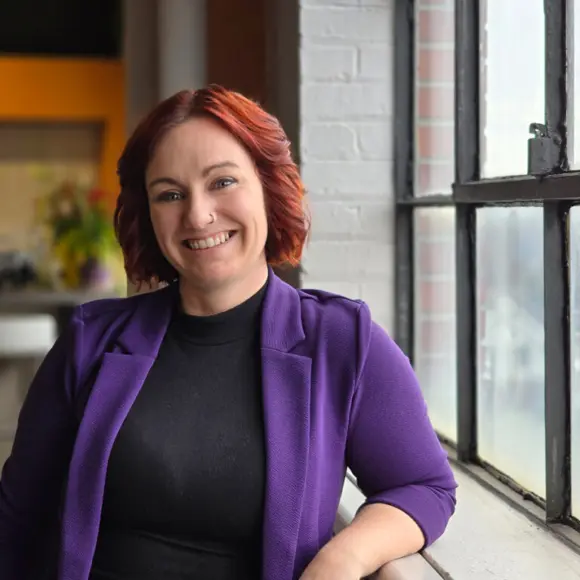
Lindsay Herndon, LMHC
CEO
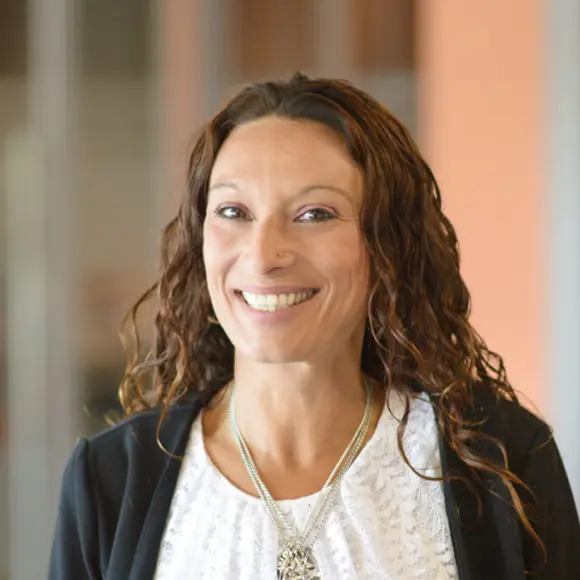
Angela Angora, Advanced CASAC
Director of Reintegration Services
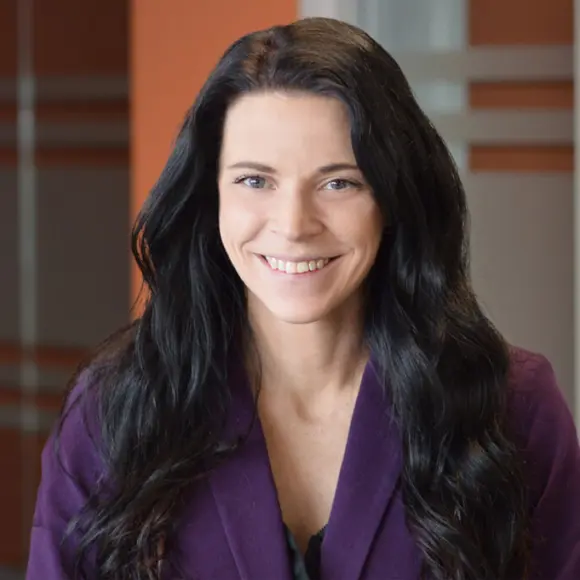
Jenn Leumer
CFO
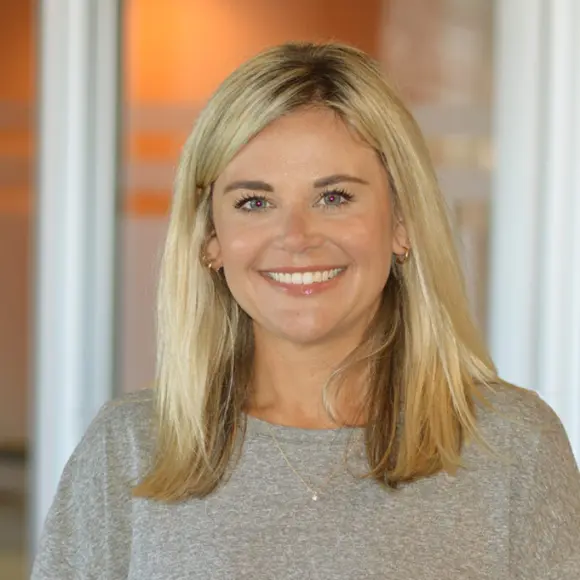
Briana Petersdorf, Advanced CASAC
Director of Clinical Services
Contact Information


200 Albany St
Buffalo, NY 14213
Sponsored Helpline


