St. Christopher's Addiction Wellness Center
1
Top 10 Rehab Centers In Baton Rouge
























































































The partial hospitalization program (PHP) is the most intensive level of care available for clients who don’t need 24-hour care or supervision. Clients spend six hours per day, five days each week in treatment and return home at night. The PHP is often used to transition clients from inpatient/residential care into day treatment. PHP services include individual, group, and family counseling and medication management.
Clients in the intensive outpatient program (IOP) meet for nine hours per week for up to six weeks. The program focuses on transitioning clients into post-treatment living, removing the medication management service of PHP and focusing on counseling.
Discovery Mood & Anxiety Program works with private insurance carriers like Cigna, Beacon, Aetna, Unicare, and Optum BH. Clients should confirm coverage before enrolling, as out of network benefits may vary.

 Our Methodology




Private insurance refers to any kind of healthcare coverage that isn't from the state or federal government. This includes individual and family plans offered by an employer or purchased from the Insurance Marketplace. Every plan will have different requirements and out of pocket costs so be sure to get the full details before you start treatment.
Self-pay involves paying for treatment out of your own pocket. You can use savings or credit, get a personal loan, or receive help from family and friends to fund your treatment. If you don't have insurance or your insurance plan doesn't cover a specific program, self-pay can help ensure you still get the care you need.
Military members, veterans, and eligible dependents have access to specific insurance programs that help them get the care they need. TRICARE and VA insurance can help you access low cost or no cost addiction and mental health treatment. Programs that accept military insurance often have targeted treatment focused on the unique challenges military members, veterans, and their families face.
Intensive Outpatient Programs (IOP) are for those who want or need a very structured treatment program but who also wish to live at home and continue with certain responsibilities (such as work or school). IOP substance abuse treatment programs vary in duration and intensity, and certain outpatient rehab centers will offer individualized treatment programs.
A partial hospitalization program (PHP) is a short-term form of intensive rehab, usually for those with acute symptoms that are hard to manage but don’t require 24-hour care. PHPs have structured programming (i.e. individual and/or group therapy), and usually meet 3-5 days a week for around 6 hours (i.e. 9am-3m). Some PHPs are residential (patients sleep on site) and some are not, so patients sleep at home. PHPs can last from 1-6 months, and some offer transportation and meals.
Outpatient Programs (OP) are for those seeking mental rehab or drug rehab, but who also stay at home every night. The main difference between outpatient treatment (OP) and intensive outpatient treatment (IOP) lies in the amount of hours the patient spends at the facility. Most of the time an outpatient program is designed for someone who has completed an inpatient stay and is looking to continue their growth in recovery. Outpatient is not meant to be the starting point, it is commonly referred to as aftercare.
Mental health rehabs focus on helping individuals recover from mental illnesses like bipolar disorder, clinical depression, anxiety disorders, schizophrenia, and more. Mental health professionals at these facilities are trained to understand and treat mental health issues, both in individual and group settings.
Assertive Community Treatment (ACT) is a structured way of helping those with major mental illnesses and/or substance abuse by bringing services directly to the patient in home. Instead of hospitalization or an outpatient program, staff members like social workers, psychiatrists, and counselors come directly to the patient’s house for treatment. ACT is used primarily for those with severe and persistent mental illness like schizophrenia or bipolar disorder, some of whom also contend with substance abuse. ACT can be short- or long-term (months to years), and provides the same multidisciplinary, 24/7 staffing of a psychiatric unit, but in the comfort of the patient's own home and/or community.
Whether a marriage or other committed relationship, an intimate partnership is one of the most important aspects of a person's life. Drug and alcohol addiction affects both members of a couple in deep and meaningful ways, as does rehab and recovery. Couples therapy and other couples-focused treatment programs are significant parts of exploring triggers of addiction, as well as learning how to build healthy patterns to support ongoing sobriety.
Creativity is inherently healing, and can help those in recovery express thoughts or feelings they might not otherwise be able to. Creative arts therapy can include music, poetry/writing, painting, sculpting, dance, theater, sandplay, and more. Unlike traditional art, the final product matters far less than the experience of creation and expression itself.
Dialectical Behavior Therapy (DBT) is a modified form of Cognitive Behavioral Therapy (CBT), a treatment designed to help people understand and ultimately affect the relationship between their thoughts, feelings, and behaviors. DBT is often used for individuals who struggle with self-harm behaviors, such as self-mutilation (cutting) and suicidal thoughts, urges, or attempts. It has been proven clinically effective for those who struggle with out-of-control emotions and mental health illnesses like Borderline Personality Disorder.
Research clearly demonstrates that recovery is far more successful and sustainable when loved ones like family members participate in rehab and substance abuse treatment. Genetic factors may be at play when it comes to drug and alcohol addiction, as well as mental health issues. Family dynamics often play a critical role in addiction triggers, and if properly educated, family members can be a strong source of support when it comes to rehabilitation.
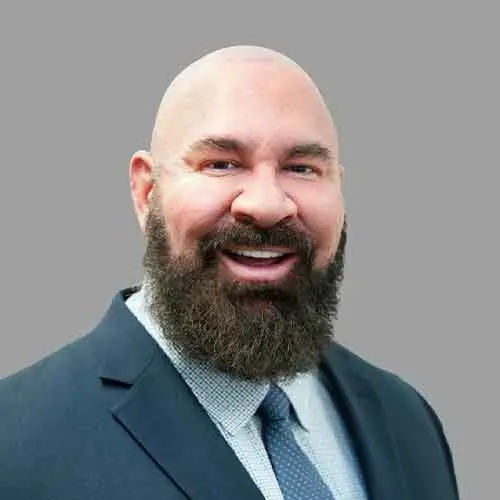
Chief Medical Officer
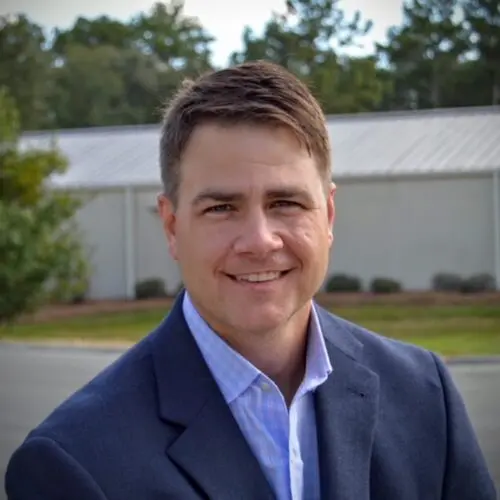
President, Mental Health Division

The Joint Commission, formerly known as JCAHO, is a nonprofit organization that accredits rehab organizations and programs. Founded in 1951, the Joint Commision's mission is to improve the quality of patient care and demonstrating the quality of patient care.
Joint Commission Accreditation: Yes

8588 Katy Freeway
Suite 440A
Houston, TX 77024
Sponsored Helpline

Severly understaffed facility! My daughter has been there for roughly 8 weeks and we have only one family session. We are supposed to have at least one every 2 weeks! Diante, the head over this facility, dodged all responsibility for this and cast blame on everyone but him and his staff. They are not wanting to discharge my daughter because of her lack of progress but there is no visible signs of them assisting her in her progress! Would not recommend this facility. I attempted to contact someone about filling a grievance but have not heard back yet.

Alex in intake is uncaring, unsupportive, and should reconsider working in this field. She was very dry, rude,and brass over the phone. She did not attempt to accommodate my needs at all. She doesn't care. If the CEO Dr. Yavonka DeRidder allows this deanmor to represent her company. I will contact my insurance carrier to consider pulling their account from this agency. Very poor customer service. ********************************************************************************************************************* Here's an update to my earlier review: I received a call from Robert, a representative from the Discovery Mood and Anxiety Program. Robert was warm and caring, and he took out the time to listen to my concern, giving insight to a solution by assisting me with workable options. With Robert, I was able to have an assessment, and prayerfully, I can move forward. I would like to publicly thank Robert for showing compassion and going the extra mile in doing his job rather than shooing me off like a fly. Therefore, I will update my review to a three as I haven't received services to actually rate the effectiveness of the program. I pray the fuss is worth it. I want to be stress free and live peacefully. Thank you again, Robert. I greatly appreciate you having a servants heart ❤️ while working with such a vulnerable population.

I was a patient in the adult IOP program at Discovery Mood & Anxiety for about 3 months. When I say this place, and its therapists, saved my life, I'm not exaggerating. When I was admitted, I probably should've been hospitalized rather than in outpatient, but my circumstances wouldn't allow for me to put my life on hold to get better without losing everything. The team at this facility were very understanding and supportive of this decision, and they worked with me diligently to make sure that I didn't experience a lack of care. While both of the therapists here are fantastic, I specifically want to call out Jae Barlow. She was nothing short of a tremendous help to me, and she was one of the most relatable and compassionate therapists I've ever met. I will forever be grateful for the care I received in this facility, not just from the staff, but from the other patients, as well. There was never a time when I felt unwelcome or unsupported. Everyone is there to heal, and it shows. If you feel like you need that extra level of mental health care like I did, I definitely recommend this place. It's too easy to find facilities that feel cold and lack compassion, but this place was anything but that.

 Back
Back
Sharing your insights and experiences can help others learn more about this rehab center.