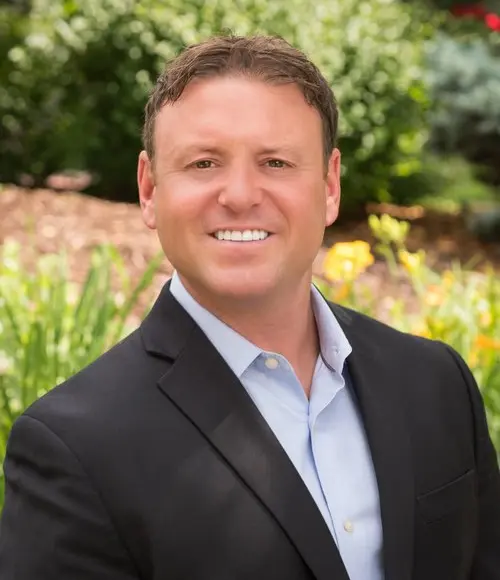
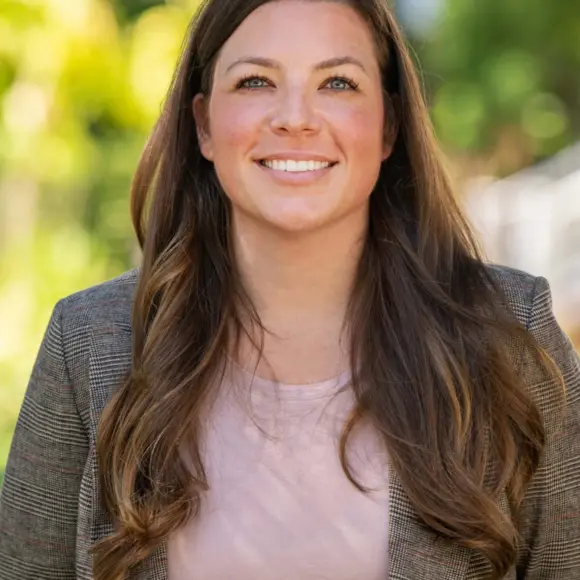
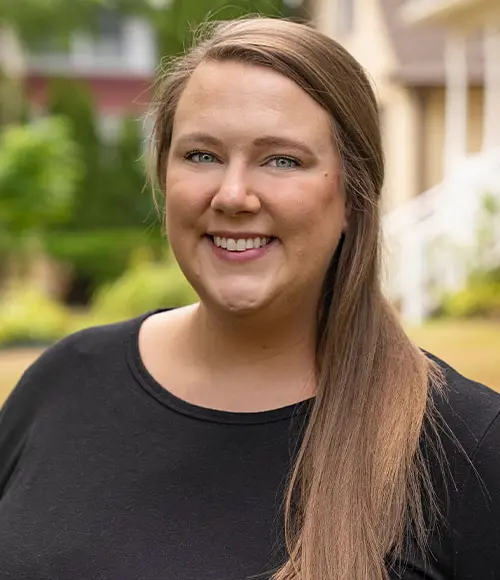
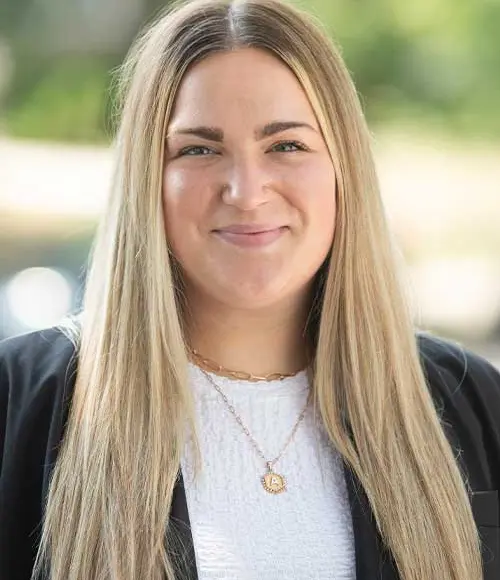
Drew Horowitz Recovery Services’ approach is founded on the understanding that every individual has deep internal resources and the inherent capacity to transform his or her life. That is why they provide professional, integral, compassionate care for individuals that want to recover from substance addiction.
The person-centered approach Drew Horowitz Recovery Services provides includes evidence-based treatment that includes intervention services, family support, and individualized treatment. They schedule 3-4 hours of individual coaching per week and engage their clients in 3-4 hours of group/community events per week.
This program is essentially court ordered punishment. It’s marketed as a non 12 step option to help addicts who don’t jive with the inherent religious and cult beliefs, as well as the prerequisite perpetual victim mentality that is jammed down your throat by AA. But the reality is you’ll be in a room on a really uncomfortable chair and told you’re powerless/weak/inherently broken/ blah blah blah crap that you hear in a regular 12 step program. Honestly, you have a better chance at recovery on your own. Don’t fall for their marketing or taglines. It’s mostly a waste of time unless you love the big book.
Extremely judgmental staff, house managers and poor management. Very closed-minded, non-woke folks. If you want a different, holistic, more compassionate approach for treatment , I’d suggest looking elsewhere ya’ll.
Scoring is assigned by a proprietary system which helps surface key metrics that determine quality. The 10-point scale factors in categories such as operations, customer satisfaction, and trust metrics. Read Full Methodology
5.3 / 10
Location
Other Forms of Payment
Self-pay involves paying for treatment out of your own pocket. You can use savings or credit, get a personal loan, or receive help from family and friends to fund your treatment. If you don't have insurance or your insurance plan doesn't cover a specific program, self-pay can help ensure you still get the care you need.
Private insurance refers to any kind of healthcare coverage that isn't from the state or federal government. This includes individual and family plans offered by an employer or purchased from the Insurance Marketplace. Every plan will have different requirements and out of pocket costs so be sure to get the full details before you start treatment.
Addiction Treatments
Levels of Care
Outpatient Programs (OP) are for those seeking mental rehab or drug rehab, but who also stay at home every night. The main difference between outpatient treatment (OP) and intensive outpatient treatment (IOP) lies in the amount of hours the patient spends at the facility. Most of the time an outpatient program is designed for someone who has completed an inpatient stay and is looking to continue their growth in recovery. Outpatient is not meant to be the starting point, it is commonly referred to as aftercare.
Rehab aftercare programs provide robust, wraparound care for clients who have completed detox and/or intensive inpatient rehab. Their services may vary widely, but typically include peer coaching, relapse prevention support, 12 step program induction, career counseling, and related community reintegration services. The client's case manager and recovery team coordinates with the client to identify the rehab aftercare services they need to promote their sustained sobriety.
12-step programs are addiction recovery models based on Alcoholics Anonymous (AA). A number of substance abuse programs (including some drug and alcohol rehab centers) use the 12 steps as a basis for treatment. Beginning steps involve admitting powerlessness over the addiction and creating a spiritual basis for recovery. Middle steps including making direct amends to those who've been hurt by the addiction, and the final step is to assist others in addiction recovery in the same way. 12-Step offshoots including Narcotics Anonymous (NA), Cocaine Anonymous (CA), Dual Recovery Anonymous (DRA), Sex and Love Addicts Anonymous (SLAA) and Gamblers Anonymous (GA).
Intervention services helps family or friends of addicts stage an intervention, which is a meeting in which loved ones share their concerns and attempt to get an addict into treatment. Professional intervention specialists can help loved ones organize, gather, and communicate with an addict. They can guide intervention participants in describing the damage the addict's behavior is causing and that outside help is necessary to address the addiction. The ideal outcome of an intervention is for the addict to go to rehab and get the help they need.
Withdrawal from alcohol and drugs can be uncomfortable - even dangerous - without the proper medical supervision. The safest way to remove addictive substances from your body is with a medically supervised detox where a team of on-site medical professionals can monitor your health and progress 24/7, then administer medications (like Suboxone or Vivitrol) if necessary to mitigate symptoms of withdrawal.
Treatments
The goal of treatment for alcoholism is abstinence. Those with poor social support, poor motivation, or psychiatric disorders tend to relapse within a few years of treatment. For these people, success is measured by longer periods of abstinence, reduced use of alcohol, better health, and improved social functioning. Recovery and Maintenance are usually based on 12 step programs and AA meetings.
Drug addiction is defined as an inability to stop using drugs even though it causes negative consequences in your life. Drug rehab in Minnesota provides treatment for drug addiction in a variety of settings including inpatient treatment and outpatient treatment.
Many of those suffering from addiction also suffer from mental or emotional illnesses like schizophrenia, bipolar disorder, depression, or anxiety disorders. Rehab and other substance abuse facilities treating those with a dual diagnosis or co-occurring disorder administer psychiatric treatment to address the person's mental health issue in addition to drug and alcohol rehabilitation.
A combined mental health and substance abuse rehab has the staff and resources available to handle individuals with both mental health and substance abuse issues. It can be challenging to determine where a specific symptom stems from (a mental health issue or an issue related to substance abuse), so mental health and substance abuse professionals are helpful in detangling symptoms and keeping treatment on track.
Opioid rehabs specialize in supporting those recovering from opioid addiction. They treat those suffering from addiction to illegal opioids like heroin, as well as prescription drugs like oxycodone. These centers typically combine both physical as well as mental and emotional support to help stop addiction. Physical support often includes medical detox and subsequent medical support (including medication), and mental support includes in-depth therapy to address the underlying causes of addiction.
Programs
Adult rehab programs include therapies tailored to each client's specific needs, goals, and recovery progress. They are tailored to the specific challenges adult clients may face, including family and work pressures and commitments. From inpatient and residential treatment to various levels of outpatient services, there are many options available. Some facilities also help adults work through co-occurring conditions, like anxiety, that can accompany addiction.
Young adulthood can be an exciting, yet difficult, time of transition. Individuals in their late teens to mid-20s face unique stressors related to school, jobs, families, and social circles, which can lead to a rise in substance use. Rehab centers with dedicated young adult programs will include activities and amenities that cater to this age group, with an emphasis on specialized counseling, peer socialization, and ongoing aftercare.
Clinical Services
Cognitive Behavioral Therapy (CBT) is a therapy modality that focuses on the relationship between one's thoughts, feelings, and behaviors. It is used to establish and allow for healthy responses to thoughts and feelings (instead of unhealthy responses, like using drugs or alcohol). CBT has been proven effective for recovering addicts of all kinds, and is used to strengthen a patient's own self-awareness and ability to self-regulate. CBT allows individuals to monitor their own emotional state, become more adept at communicating with others, and manage stress without needing to engage in substance abuse.
Group therapy is any therapeutic work that happens in a group (not one-on-one). There are a number of different group therapy modalities, including support groups, experiential therapy, psycho-education, and more. Group therapy involves treatment as well as processing interaction between group members.
In individual therapy, a patient meets one-on-one with a trained psychologist or counselor. Therapy is a pivotal part of effective substance abuse treatment, as it often covers root causes of addiction, including challenges faced by the patient in their social, family, and work/school life.
Trauma therapy helps you understand and manage your mental, emotional, and physical responses to trauma. Using therapeutic interventions, you learn to reframe the experience, which in turn reduces your anxiety and helps you regain control over your life.
Research clearly demonstrates that recovery is far more successful and sustainable when loved ones like family members participate in rehab and substance abuse treatment. Genetic factors may be at play when it comes to drug and alcohol addiction, as well as mental health issues. Family dynamics often play a critical role in addiction triggers, and if properly educated, family members can be a strong source of support when it comes to rehabilitation.
For a successful recovery, life skills training is key. That's why rehab programs in Minnesota include training in social skills, self care, time management, financial management, and other daily life skills. By growing in these areas, you'll gain tools that allow you to navigate challenges and avoid relapse.
The expressive activities of creative arts therapy in Minnesota help you find new ways to look at challenging situations, explore complicated feelings that can be hard to talk about and help you understand yourself better. This can be helpful as you work through the complex issues of addiction and recovery.
The expressive activities of experiential therapy allow you to reexperience past emotional situations safely. Your therapist can then help you reflect on the emotions that this triggered, work through past hurts, and learn how to deal with future emotional challenges.
Drew is one of the few individuals who I met who really cares about his clients. His intervention was very comprehensive and he did everything he could to make sure that my son got into treatment and that the rehab center was able to offer the services appropriate for his ne ...
Read More
HIPAA violations and poor management. Not a safe place.
Shawn Mortensen
1 month ago
1
I spent 7 months enrolled in the program and I don’t have a single friend to show from it….. thank god after I was discharged they wouldn’t let me back in cause I’d probably still be going there to this day! These sober houses expect you to go to treatment 4 days a week, do your chores at the house, attended 4 meetings of any type per week and work a job. Also while trying to juggle a relationship. Thanks to elite, I didn’t have time for anything, felt incredibly stressed out and ended up having a relapse because of it. Now I’m over a year clean without elite!!
Derrick Knox
6 months ago
5
Adam Crossno
9 months ago
1
This program is essentially court ordered punishment. It’s marketed as a non 12 step option to help addicts who don’t jive with the inherent religious and cult beliefs, as well as the prerequisite perpetual victim mentality that is jammed down your throat by AA. But the reality is you’ll be in a room on a really uncomfortable chair and told you’re powerless/weak/inherently broken/ blah blah blah crap that you hear in a regular 12 step program. Honestly, you have a better chance at recovery on your own. Don’t fall for their marketing or taglines. It’s mostly a waste of time unless you love the big book.
Calls to any general helpline will be answered or returned by a paid advertiser.
By calling the helpline you agree to the terms of use. We do not receive any commission or fee that is dependent upon which treatment provider a caller chooses. There is no obligation to enter treatment.
If you wish to connect with non-sponsor centers, you can browse top-rated listings, visit our homepage and browse by state, or visit SAMHSA.

 Sponsored Helpline