










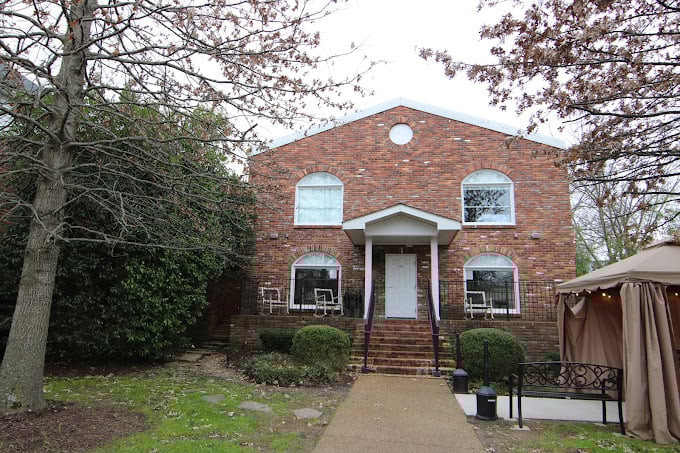
Recovery Unplugged Nashville Drug & Alcohol Rehab
1
Top 10 Rehab Centers In Brentwood



















































































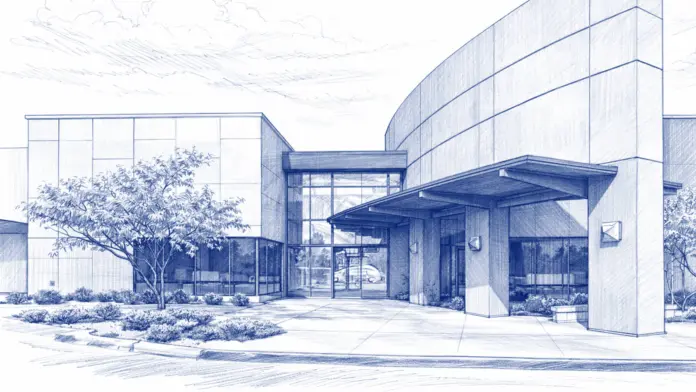
East Texas Women’s Rehab provides faith-based addiction recovery services for adult women and adolescent females. A part of the Adult & Teen Challenge national network, they offer inpatient and sober living programming and aftercare planning and support, including specialized services for justice-involved women, teens, young adults, and women with children.
The inpatient programs allow clients to focus on their recovery in a highly supportive, home-like environment. They receive medical and mental health assessments, personalized care plans, and comprehensive case management. They also engage in intensive, trauma-informed individual, group, and family therapy. Their programs prioritize recovery-focused life skills training to support clients’ sustained sobriety, including courses in self-care, wellness, anger and stress management, coping, relapse prevention, parenting, job readiness, and financial and household management. Their approach is faith-based and includes daily Bible study, prayer, and devotions. Supervised recreational and social activities on and off campus are available.
Aftercare planning and support services are designed to promote clients’ long-term recovery through robust wraparound care. Services may include peer coaching, career counseling, vocational training, 12 step program induction, and referrals for medical, mental health, and social service programs.
East Texas Women’s Rehab is state licensed. They are a 501(c)(3) charitable organization and offer low and no cost services.

 Our Methodology


Residential treatment programs are those that offer housing and meals in addition to substance abuse treatment. Rehab facilities that offer residential treatment allow patients to focus solely on recovery, in an environment totally separate from their lives. Some rehab centers specialize in short-term residential treatment (a few days to a week or two), while others solely provide treatment on a long-term basis (several weeks to months). Some offer both, and tailor treatment to the patient's individual requirements.
Sober Living Houses (SLHs), aka sober homes or halfway houses, are safe, substance-free, supportive living facilities for those recovering from substance abuse. Ideal for those who've just been through inpatient or outpatient treatment, SLHs are supervised environments with rules that support sobriety, such as curfews, shared chores, and therapeutic meetings. Residents are also often trained on life skills and coping skills to make it easier to transition into society. SLHs also provide a strong sense of community that can lead to the kind of deep and lasting connections with other sober individuals that supports a new, healthy lifestyle.
A combined mental health and substance abuse rehab has the staff and resources available to handle individuals with both mental health and substance abuse issues. It can be challenging to determine where a specific symptom stems from (a mental health issue or an issue related to substance abuse), so mental health and substance abuse professionals are helpful in detangling symptoms and keeping treatment on track.
Young adulthood can be an exciting, yet difficult, time of transition. Individuals in their late teens to mid-20s face unique stressors related to school, jobs, families, and social circles, which can lead to a rise in substance use. Rehab centers with dedicated young adult programs will include activities and amenities that cater to this age group, with an emphasis on specialized counseling, peer socialization, and ongoing aftercare.
Research clearly demonstrates that recovery is far more successful and sustainable when loved ones like family members participate in rehab and substance abuse treatment. Genetic factors may be at play when it comes to drug and alcohol addiction, as well as mental health issues. Family dynamics often play a critical role in addiction triggers, and if properly educated, family members can be a strong source of support when it comes to rehabilitation.
Group therapy is any therapeutic work that happens in a group (not one-on-one). There are a number of different group therapy modalities, including support groups, experiential therapy, psycho-education, and more. Group therapy involves treatment as well as processing interaction between group members.
In individual therapy, a patient meets one-on-one with a trained psychologist or counselor. Therapy is a pivotal part of effective substance abuse treatment, as it often covers root causes of addiction, including challenges faced by the patient in their social, family, and work/school life.
Life skills trainings involve all the skills a person must have in order to function successfully in the world. These include time management, career guidance, money management, and effective communication. Truly successful addiction recovery is based on the ability to not only live substance-free, but to thrive. Life skills teaches the practical necessities of functioning in society, which sets clients up for success in life, and therefore sobriety.
Rehab.com regularly reviews this listing for accuracy but changes may occur between updates. For the most up-to-date information, please contact East Texas Women’s Rehab.

1396 US 82
Clarksville, TX 75426
Sponsored Helpline

Back in April of 2026, I had to stay at Focused Care for rehabilitation on an injury I had in March. All of the employees were so compassionate and understanding. I consider some of them my family and I made friends with some of the residents, who are also family . Some of the people that worked there that I love are Tannie, Jeannie, Jay, Lawanda, Makaela, Takela, Chris, Rose, and I'm sure I'm leaving out so many of them. They all made me feel at home. The facility is very clean and inviting. They have wonderful activities for all the residents. They were quick responding to call lights. The food was great and if you don't like what's on the menu, you can order something else. The people in the rehab department were great! They push you to reach your goals at just the right pace. If you're having to make a tough decision about your loved one being in a nursing home/rehab facility, I highly recommend you give Focused Care a chance! ⭐⭐⭐⭐⭐ If I could give more than 5 ⭐'s, I would!

Very nice clean place, caring staff


 Back
Back
Sharing your insights and experiences can help others learn more about this rehab center.
 Written By: Terri Beth Miller
PhD Author, Award-Winning Post-Secondary Teacher
Written By: Terri Beth Miller
PhD Author, Award-Winning Post-Secondary Teacher

