















































































About Fellowship Recovery LLC
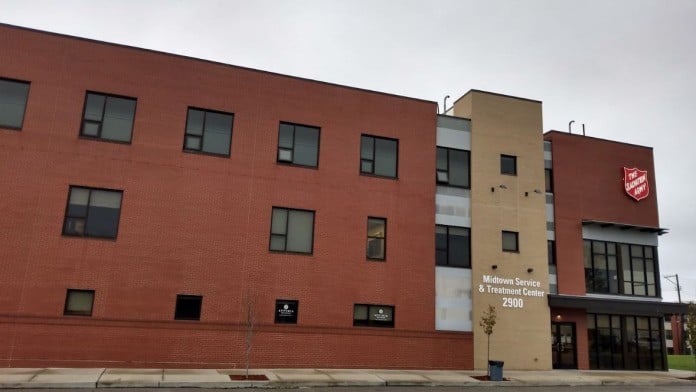
Fellowship Recovery LLC is a substance use treatment program in Minneapolis, Minnesota, offering outpatient-based care for adults seeking recovery from drug and alcohol addiction. The facility provides detox support, partial hospitalization, intensive outpatient and standard outpatient services. Fellowship Recovery takes a holisticapproach with specialty tracks for diverse populations including LGBTQIA+ individuals, Indigenous communities and justice involved clients.
Addiction Treatment Programs at Fellowship Recovery LLC
Clients may begin with detoxification services to safely manage withdrawal before transitioning into structured programming. From there, individuals can step into PHP or IOP based on their clinical needs, with flexibility for both in-person and telehealth participation.
Treatment incorporates evidence-based therapies such as Cognitive Behavioral Therapy and Dialectical Behavior Therapy, alongside holistic practices like yoga and meditation. Medication Assisted Treatment options, including buprenorphine and naltrexone, are available to support long-term recovery from opioid and alcohol use disorders.
Key Details About Fellowship Recovery LLC
- Levels of care: Detox, PHP, IOP and outpatient programs
- Who they treat: Adult men and women, with specialty tracks for LGBTQIA+, Indigenous, justice-involved and high-risk populations
- Approach: Evidence-based and holistic care addressing co-occurring mental health conditions like depression, anxiety and PTSD
- Payment options: Accepts Medicaid, private insurance, cash and offers payment plans
Similar Rehab Centers
Edited by:
Maygen Brockway, MTC
Facility Overview
 31 - 60
 Avg Length of Stay in Days

Rehab Score
 Our Methodology
Scoring is assigned by a proprietary system which helps surface key metrics that determine quality. The 10-point scale factors in categories such as operations, customer satisfaction, and trust metrics. Read Full Methodology

0.8 / 10
Location
Other Forms of Payment
Medicaid is a state based program that helps lower-income individuals and families pay for healthcare. Medicaid covers addiction treatment so those enrolled can use their coverage to pay for rehab. When a program accepts Medicaid the client often pays very little or nothing out of their own pocket.
Private insurance refers to any kind of healthcare coverage that isn't from the state or federal government. This includes individual and family plans offered by an employer or purchased from the Insurance Marketplace. Every plan will have different requirements and out of pocket costs so be sure to get the full details before you start treatment.
Financing your treatment can make treatment more accessible. You'll work with your care provider to set up payment plans, including interest rates and repayment timelines. Financing options vary widely and not all programs offer them, so be sure to get the full details before enrolling in treatment. If you have insurance or other benefits, financing may help you cover your remaining out of pocket expenses.
Addiction Treatments
Levels of Care
Withdrawal from alcohol and drugs can be uncomfortable - even dangerous - without the proper medical supervision. The safest way to remove addictive substances from your body is with a medically supervised detox where a team of on-site medical professionals can monitor your health and progress 24/7, then administer medications (like Suboxone or Vivitrol) if necessary to mitigate symptoms of withdrawal.
A partial hospitalization program (PHP) can provide supportive and structured care to those who don't require 24/7 supervision. It can be used as a "step-down" option after you're released from the hospital or a residential program. PHP treatment integrates evidence-based therapies, such as cognitive-behavioral therapy (CBT), and dialectical behavior therapy (DBT). The duration of a partial hospital program is tailored to meet your specific needs and goals but averages 90 days.
Intensive outpatient programs (IOP) provide one of the highest levels of care available in an outpatient setting and are designed for clients who require robust support. Many intensive outpatient rehabs offer personalized treatment plans and a variety of services, including individual, group, and family counseling, recovery-focused life skills training, holistic therapies, and medication assisted treatment (MAT). Clients typically receive between nine and 20 hours of care weekly.
Outpatient rehabs typically provide a full continuum of care both for clients in early recovery and for those who are well advanced in their recovery journey. Their levels of care typically include partial hospitalization (PHP), intensive outpatient (IOP), sober living/halfway housing, and standard outpatient programming. Many outpatient facilities offer evening, night, and weekend services, including addiction counseling and recovery-focused life skills training, to accommodate clients' work and family schedules.
Telehealth in Minnesota allows you to get the care you need from anywhere. You can meet with your doctor or counselor while you're at home, at work, or wherever is most convenient for you. Using telehealth technology such as video calls or medical apps, you can consult with your provider and quickly get the medical advice you need.
Treatments
Alcoholism is a chronic, progressive condition involving the excessive and compulsive consumption of alcohol. This overconsumption leads to physical dependence and alcohol addiction. Alcohol rehab in Minnesota offers resources to help individuals recover from alcoholism and maintain a sober lifestyle. Treatment typically involves a three-step process that begins with supervised detox, followed by behavioral-based rehab, then continues with sobriety maintenance.
 Opioid Addiction
Drug addiction is defined as an inability to stop using drugs even though it causes negative consequences in your life. Drug rehab in Minnesota provides treatment for drug addiction in a variety of settings including inpatient treatment and outpatient treatment.
Substance abuse treatment programs in Minnesota are designed to support individuals to overcome addiction. These programs employ evidence-based therapies such as cognitive-behavioral therapy (CBT), dialectical behavior therapy (DBT), and eye movement desensitization and reprocessing (EMDR), together with individual and group therapy, and recovery meetings. With a variety of treatment options available, which typically include outpatient, inpatient, dual-diagnosis, and partial hospitalization, you'll be able to find a personalized treatment option that works for your individual needs.
One of the main goals of inpatient rehab is the simultaneous treatment an addiction and co-occurring mental health disorders. Services usually include individual and group counseling and relapse prevention education. Other standard therapies can include coping skills training, cognitive-behavioral therapy (CBT), motivational interviewing, and family support groups. By offering a number of critical therapies under one roof, you have a greater chance of boosting overall mental health and achieving sustained recovery.
Dual-diagnosis addiction treatment in Minnesota emphasizes integrated care for individuals with co-occurring substance use disorders and mental health conditions. Their specialized programs offer outpatient, inpatient, partial hospitalization, and intensive outpatient levels of care. Therapies such as cognitive behavioral therapy, or dialectical behavioral therapy, mindfulness-based therapy, and experiential therapy help clinical experts to treat both disorders and promote mental health and well-being. Additional services like medically assisted detox, 12-Step recovery, and aftercare support may be available to further support you in sustaining your recovery.
Programs
Recovery is most successful when clients feel accepted and validated by their peers and treatment providers. Facilities that offer LGBTQ-inclusive programming are committed to creating a safe space where everyone can grow and recover without fear of judgment or discrimination. They will have dedicated policies in place to create a safe and supportive environment that fosters free expression.
Clinical Services
Therapists often use cognitive behavioral therapy in Minnesota to treat substance use disorders because it can help clients quickly identify challenges and ways to cope with them. Its structured, specific methods require fewer sessions than other types of therapy.
Dialectical behavior therapy focuses on four skills: emotional regulation, mindfulness, acceptance and distress tolerance, and interpersonal effectiveness. Treatment involves individual sessions, as well as group sessions where you can start applying the skills you learn.
Amenities
-
 Metropolitan Area
Contact Information


1516 W Lake St, Minneapolis, MN 55408
Get Help Now - 651-419-8121
Sponsored Helpline
Sponsored Helpline