































































































About Maplewood Treatment Solutions
Maplewood Treatment Solutions is a fully residential treatment facility located in Merchantville, New Jersey, just minutes from Cherry Hill, serving adults across South Jersey who are ready to take the first step toward lasting recovery. We specialize in the treatment of substance use disorders and co-occurring mental health conditions, providing a structured, supportive environment where healing can truly begin.
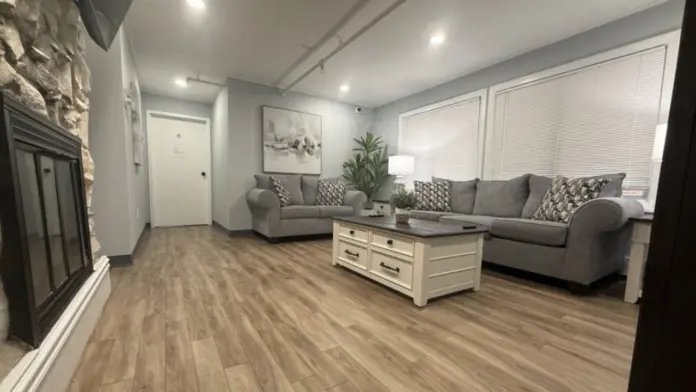
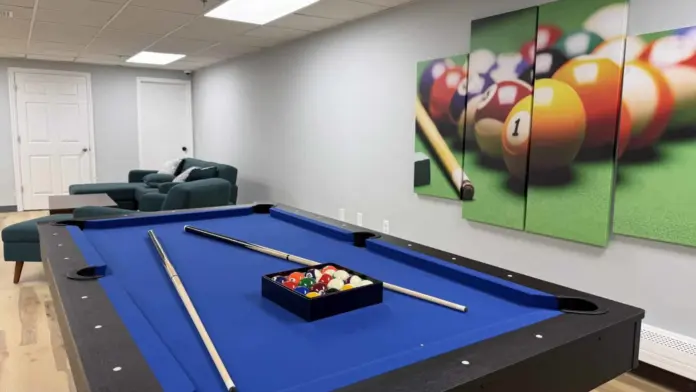
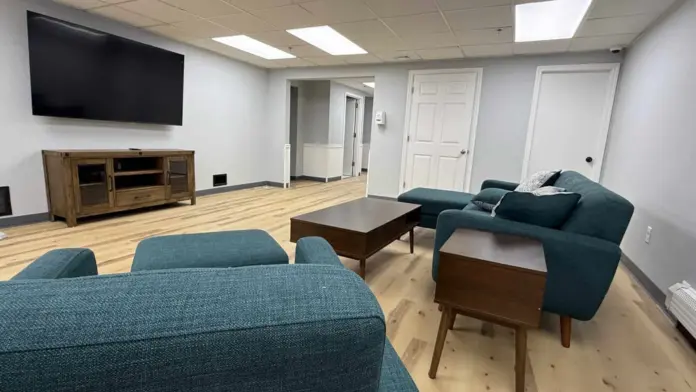
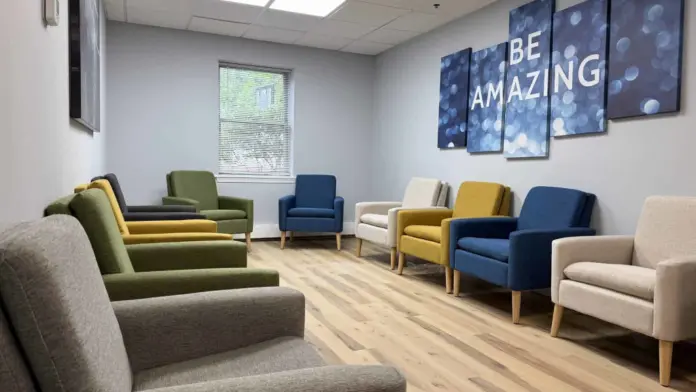
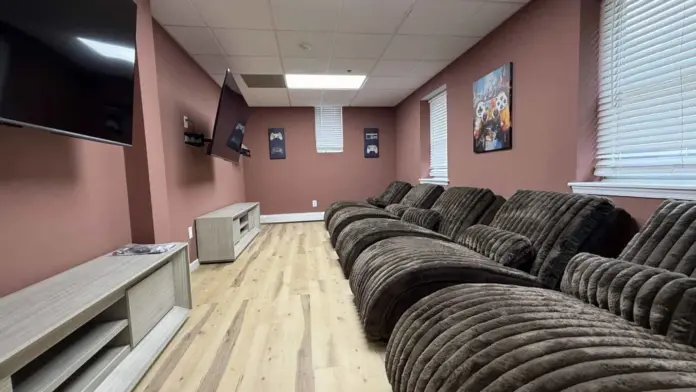
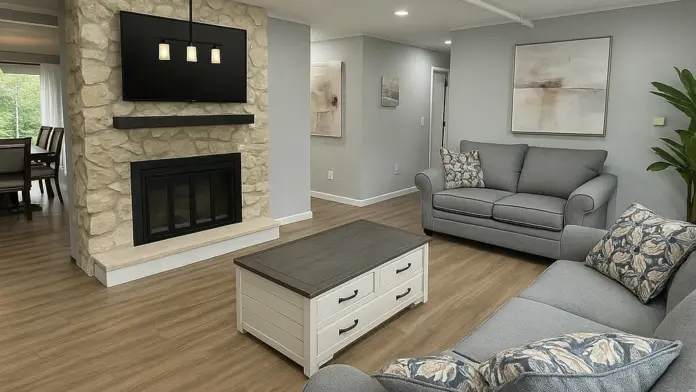
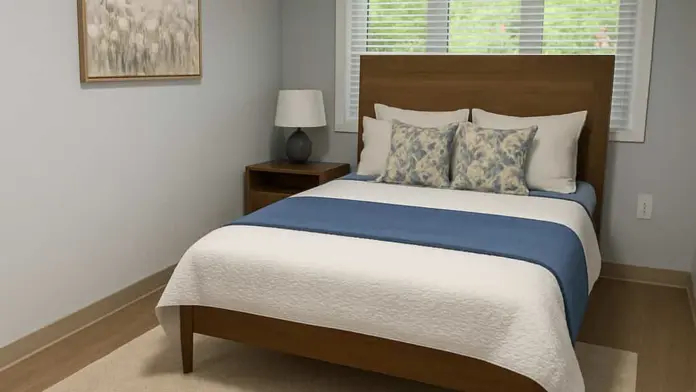
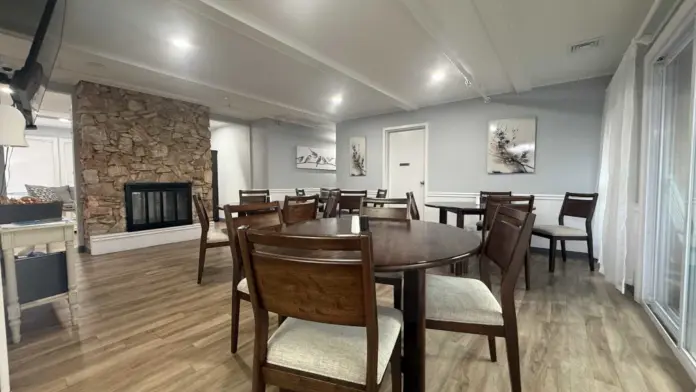
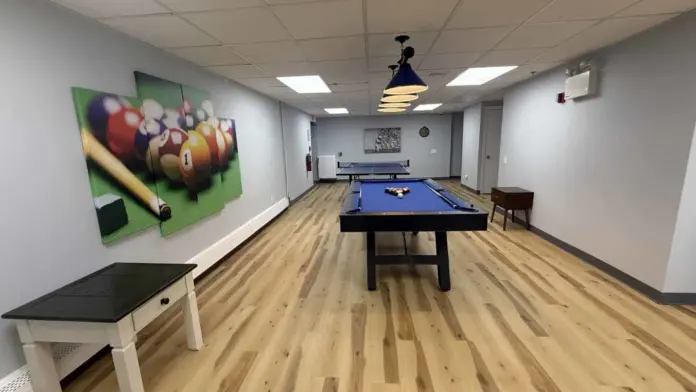
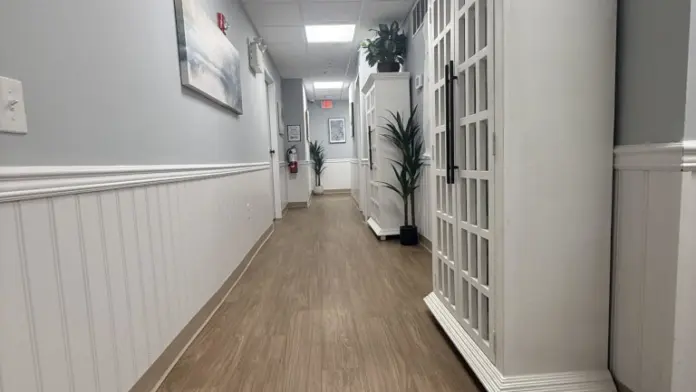
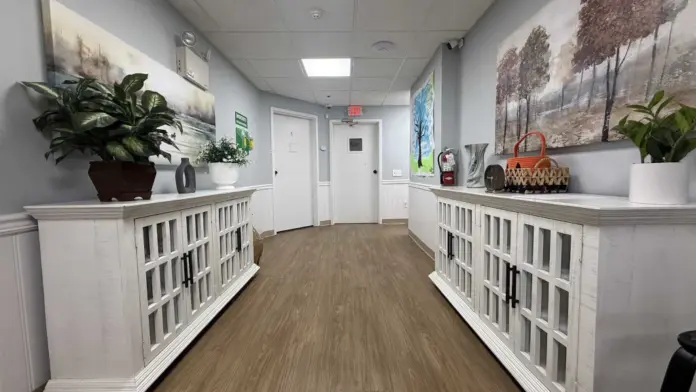
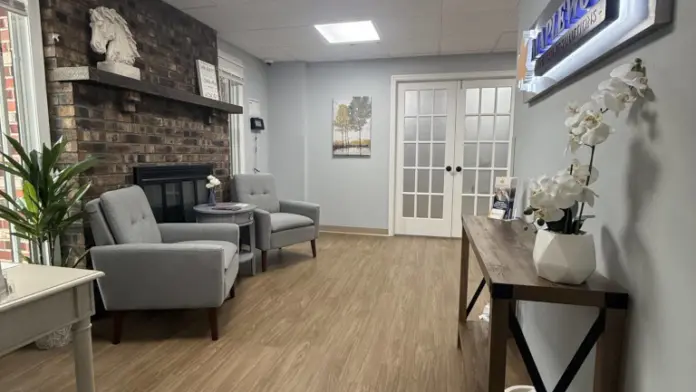
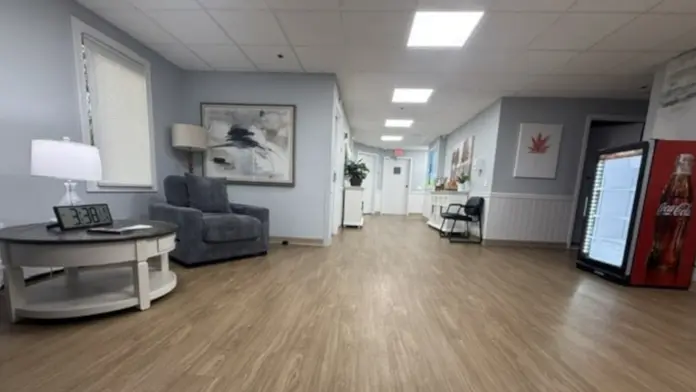
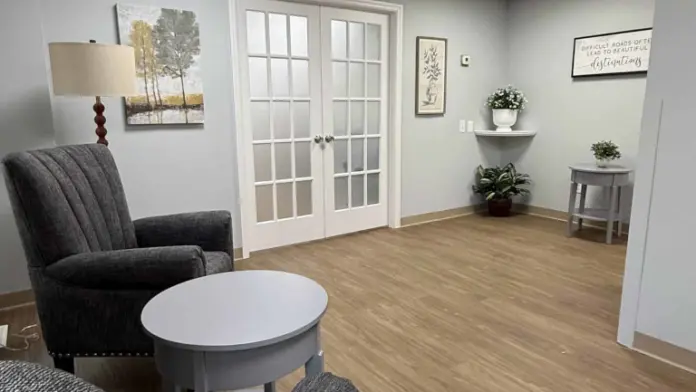
Our facility was thoughtfully renovated to offer a warm, home-like setting that puts patients at ease from day one. We understand that comfort and safety go hand in hand with clinical excellence, which is why every aspect of our program was designed with the patient experience in mind.
At Maplewood, care never stops. Our licensed nursing staff and behavioral health technicians are on-site 24 hours a day, 7 days a week, ensuring every patient receives the medical supervision and emotional support they need at any hour.
Our multidisciplinary clinical team creates individualized treatment plans built around each patient’s unique history, needs, and recovery goals — incorporating individual therapy, group counseling, psychoeducation, dual diagnosis treatment, and discharge planning to support a successful transition back to everyday life.
We proudly serve the Cherry Hill, Camden County, Burlington County, and greater South Jersey communities, offering families a trusted, local option for high-quality residential care.
At Maplewood Treatment Solutions, we don’t just treat addiction — we help people rebuild their lives.
Services Offered:
Residential Inpatient Treatment
Substance Use Disorder Treatment
Co-Occurring / Dual Diagnosis Treatment
Individual & Group Therapy
Psychoeducation & Life Skills
24/7 Medical Supervision
Discharge & Continuum of Care Planning

Rehab Score
 Our Methodology


Gallery

Accepted Insurance



Other Forms of Payment
Private insurance refers to any kind of healthcare coverage that isn't from the state or federal government. This includes individual and family plans offered by an employer or purchased from the Insurance Marketplace. Every plan will have different requirements and out of pocket costs so be sure to get the full details before you start treatment.
Self-pay involves paying for treatment out of your own pocket. You can use savings or credit, get a personal loan, or receive help from family and friends to fund your treatment. If you don't have insurance or your insurance plan doesn't cover a specific program, self-pay can help ensure you still get the care you need.
 Monthly
Addiction Treatments
Levels of Care
24-hour clinical care in New Jersey provides a setting where you can withdraw from alcohol or drugs under close monitoring of experienced medical staff. These trained professionals can intervene at any time if needed. They can prescribe medications to reduce cravings and physical discomfort. Mental health professionals are also available to address any emotional and psychological challenges you experience as you begin your recovery journey.
Clients often enter inpatient rehab following detox, but they may also enroll during early recovery or at an increased risk of relapse. Inpatient rehabs provide housing, meals, and intensive clinical supervision, allowing clients to focus exclusively on their recovery in a highly structured and supportive environment. Clients typically receive multiple individual, group, and/or family therapy sessions weekly. Many programs also offer extensive addiction education and recovery-focused life skills training. Integrative inpatient rehabs provide holistic therapies as well.
Treatments
Alcoholism (alcohol use disorder) is diagnosed when a person's drinking causes harm or distress and they continue to drink anyway. Often, they have a physical as well as psychological dependence on the substance. To treat alcohol addiction, medical detox is often necessary to safely withdraw from alcohol. Once this is complete, alcohol rehab in New Jersey can provide skills and supports necessary for long-term recovery.
Drug rehab in New Jersey is the process of addressing the complex issues involved with addiction. Challenges are identified and addressed through individual and group counseling. Participants learn how to manage these issues without the use of substances.
 Opioid Addiction
You can find comprehensive substance abuse treatment in New Jersey in drug and alcohol rehabs. These treatment programs typically provide a full continuum of care including medically assisted detox, inpatient, outpatient, dual-diagnosis, and intensive outpatient. With a comprehensive substance abuse evaluation, addiction experts provide individualized treatment plans to meet your specific needs. These programs address substance use disorders using evidence-based therapies, like cognitive behavioral therapy (CBT) and dialectical behavioral therapy (DBT), individual and family counseling, and recovery support groups.
New Jersey has a variety of dual-diagnosis addiction treatment programs, including inpatient and outpatient drug and alcohol rehabs, that recognize the unique needs of individuals with co-occurring substance use disorders and mental health conditions. These programs typically employ evidence-based therapies such as cognitive-behavioral therapy (CBT), dialectical behavior therapy (DBT), trauma-focused therapy, and art therapy to successfully address co-occurring disorders and support sustained recovery.
Programs
Adult rehab programs include therapies tailored to each client's specific needs, goals, and recovery progress. They are tailored to the specific challenges adult clients may face, including family and work pressures and commitments. From inpatient and residential treatment to various levels of outpatient services, there are many options available. Some facilities also help adults work through co-occurring conditions, like anxiety, that can accompany addiction.
Young adulthood can be an exciting, yet difficult, time of transition. Individuals in their late teens to mid-20s face unique stressors related to school, jobs, families, and social circles, which can lead to a rise in substance use. Rehab centers with dedicated young adult programs will include activities and amenities that cater to this age group, with an emphasis on specialized counseling, peer socialization, and ongoing aftercare.
Clinical Services
 Animal Therapy
 Assertive Community Treatment
Cognitive behavioral therapy (CBT) in New Jersey typically follows a set structure of treatment. The therapist helps clients identify their life challenges and their thoughts surrounding those challenges. The client then learns to identify unhealthy thought patterns and reshape those into healthy patterns of thinking and behavior.
Most experts in couples therapy are trained in several modes of treatment. This allows your therapist to draw from various techniques to personalize your therapy for your needs. This may include cognitive, emotional, and behavioral methods, which are all designed to help you strengthen your relationship.
The main types of creative arts therapy in New Jersey are dance, art, drama, and music. Through creative processes and active art making, this treatment provides a safe setting free of judgment for participants to explore and express their challenging thoughts and emotions.
Dialectical means opposing. The premise of dialectical behavior therapy is to learn how two things that seem to be opposite can actually be true. You learn how to accept yourself while also making changes. The focus is on accepting your emotions and changing how you manage them.
Experiential therapy is designed to help you access creativity and analyze your motivations, emotions, and reactions to situations. With the help of your therapist, you'll reflect on your experiences to work through previous hurts or trauma and learn how to make good decisions in the future.
Family therapy sessions address addiction related conflicts and other issues between members of the family unit. By strengthening communication and coping skills, as well as creating a nurturing environment, the family can help support their loved one's recovery.
Group therapy settings offer you a diverse perspective on addiction and recovery. People from a variety of backgrounds gather together to discuss their challenges and speak openly and in a nonjudgmental atmosphere. This enriches your experience and your understanding of addiction and recovery.
During individual therapy for drug addiction, patients receive a customized and tailored approach to understanding their unique circumstances and providing them with targeted interventions. These include coping skills, relapse prevention plans, and developing resilience, all of which are essential for long term recovery.
Building life skills allows you to demolish negative patterns of behavior and build new, healthy patterns. By building new thought processes, coping strategies, and behaviors, you establish a solid foundation for recovery.
Motivational interviewing helps clients find their motivation to change. It can be an effective method to work with clients who are angry or hostile or feel insecure about their ability to make changes in their lives. It is often used during addiction treatment or to manage physical health conditions.
For best results, nicotine replacement therapy (NRT) should be combined with other methods to quit smoking. While NRT addresses physical dependence, other quit program elements are necessary to address emotional and mental dependence. Together, these supports can help you successfully quit tobacco for good.
Nutrition therapy is more than a simple meal plan during rehab. It's designed to facilitate a faster recovery by giving your body the nutrients it needs to heal. It aids in strengthening your systems and giving you the energy you need for daily functioning and success in other therapies.
Rational behavior therapy in addiction treatment gives you the tools you need to identify and address thinking pattern distortions that have contributed to addictive behavior. This therapy in New Jersey is highly structured around specific and measurable goals you and your therapist set together. They usually include fostering rational thinking and emotional stability to support sustained recovery.
 Sound Therapy
Trauma therapy provides a structure to approach healing from past traumatic events that you may have witnessed or experienced. Your therapist will work with you to identify and process these memories. This helps promote a sense of safety and stability and helps you heal emotionally.
Amenities
-
 Metropolitan area
 -
 Music room
 -
 Pet friendly
 -
 Private rooms
 -
 Private setting
 -
 Residential setting
 -
 Recreation room
 -
Residential setting
Accreditations

The Joint Commission, formerly known as JCAHO, is a nonprofit organization that accredits rehab organizations and programs. Founded in 1951, the Joint Commision's mission is to improve the quality of patient care and demonstrating the quality of patient care.
Joint Commission Accreditation: Yes

State Licenses are permits issued by government agencies that allow rehab organizations to conduct business legally within a certain geographical area. Typically, the kind of program a rehab facility offers, along with its physical location, determines which licenses are required to operate legally.
State License: New Jersey

LegitScript has reviewed Maplewood Treatment Solutions as part of their certification program, and has determined that it meets the LegitScript standards for legality, safety and transparency.
LegitScript verified in
Contact Information


214 W Maple Ave
Merchantville, NJ 08109
Sponsored Helpline
