































































































About Mary Immaculate Hospital – Methadone Treatment – Closed
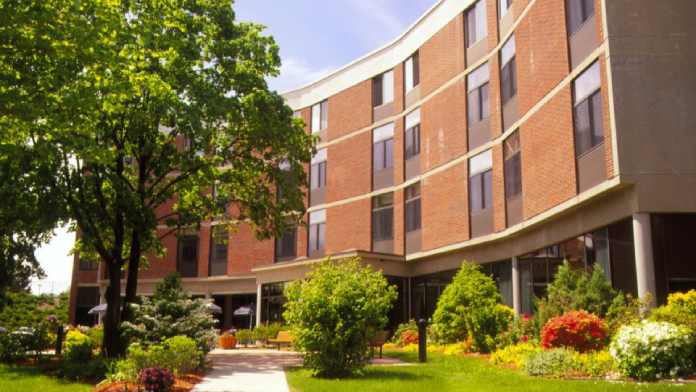
Mary Immaculate Hospital’s Methadone Treatment program was designed for adults seeking assistance with opioid addiction in Jamaica Queens in New York City. Along with stabilization and long-term assistance, the ultimate goal was to help people safely detox off of harsh substances like heroin or prescription painkillers.
This facility served the Jamaica neighborhood but also accepted clients from across the borough. They operated for over 100 years. However, they closed in 2009 due to a lack of funds.
Jamaica is a well-known neighborhood within Queens which is one of the most culturally diverse boroughs within New York City. Along with being near JFK airport, there are plenty of major and excursion opportunities in the borough. From Arthur Ashe Stadium and Citifield in nearby Flushing to Astoria, which is known for its restaurants, Queens is a unique destination.
Mary Immaculate Hospital was near Jamaica Station, which is a major transportation hub with both subway and Long Island Railroad (LIRR) stops to connect you to the other four boroughs and Long Island, and the AirTrain to take you to JFK Airport.
A First Step
For many people, the first step in their sobriety journey is to shift from harsher substances to a medication assisted treatment (MAT) program. The methadone program at Mary Immaculate Hospital was designed to do exactly that. During the intake process, patients were assessed to determine the severity of their current addiction and to properly calibrate the correct dosage to shift them off of opioids.
Transitioning into Counseling
Along with providing MAT support, this facility prioritized helping enroll patients into counseling services. The goal was to eventually fully wean patients off of methadone, but to ensure that they received the care they needed to build the necessary skills to avoid relapse.
Latest Reviews



Rehab Score
 Our Methodology


Gallery
Addiction Treatments
Levels of Care
Outpatient Programs (OP) are for those seeking mental rehab or drug rehab, but who also stay at home every night. The main difference between outpatient treatment (OP) and intensive outpatient treatment (IOP) lies in the amount of hours the patient spends at the facility. Most of the time an outpatient program is designed for someone who has completed an inpatient stay and is looking to continue their growth in recovery. Outpatient is not meant to be the starting point, it is commonly referred to as aftercare.
Drug and alcohol addiction often takes a heavy toll on one's body. Over time, a physical dependence can develop, meaning the body physiologically needs the substance to function. Detox is the process of removing drugs and/or alcohol from the body, a process that can be lethal if mismanaged. Medical detox is done by licensed medical professionals who monitor vital signs and keep you safe, healthy, and as comfortable as possible as you go through detox and withdrawal.
Treatments
The goal of treatment for alcoholism is abstinence. Those with poor social support, poor motivation, or psychiatric disorders tend to relapse within a few years of treatment. For these people, success is measured by longer periods of abstinence, reduced use of alcohol, better health, and improved social functioning. Recovery and Maintenance are usually based on 12 step programs and AA meetings.
When you choose drug rehab in New York, you'll participate in a variety of treatments that are designed to help you live a drug-free lifestyle. Common methods of treatment include group, individual, and family counseling, medication management, nutrition, exercise, and management of co-occurring mental health disorders.
Opioid rehabs specialize in supporting those recovering from opioid addiction. They treat those suffering from addiction to illegal opioids like heroin, as well as prescription drugs like oxycodone. These centers typically combine both physical as well as mental and emotional support to help stop addiction. Physical support often includes medical detox and subsequent medical support (including medication), and mental support includes in-depth therapy to address the underlying causes of addiction.
Substance rehabs focus on helping individuals recover from substance abuse, including alcohol and drug addiction (both illegal and prescription drugs). They often include the opportunity to engage in both individual as well as group therapy.
Programs
Young adulthood can be an exciting, yet difficult, time of transition. Individuals in their late teens to mid-20s face unique stressors related to school, jobs, families, and social circles, which can lead to a rise in substance use. Rehab centers with dedicated young adult programs will include activities and amenities that cater to this age group, with an emphasis on specialized counseling, peer socialization, and ongoing aftercare.
Clinical Services
Group therapy is any therapeutic work that happens in a group (not one-on-one). There are a number of different group therapy modalities, including support groups, experiential therapy, psycho-education, and more. Group therapy involves treatment as well as processing interaction between group members.

