New Freedom Center is a substance use treatment provider in Bismarck, North Dakota offering a continuum of care for adults and adolescents working toward lasting recovery.
The center provides residential treatment and outpatient programs DUI/DWI services and aftercare support.
What kinds of addiction treatment does New Freedom Center offer?
New Freedom Center provides residential treatment for those needing 24-hour structured care along with general and intensive outpatient programs for clients who can maintain recovery while living at home.
Services include counseling, relapse prevention, and medication-assisted treatment (MAT) as part of recovery programming.
Who can get help here?
The center provides chemical dependency treatment for both adults and adolescents struggling with alcohol and other drug use. Programs are tailored to each client’s unique needs and family members can be involved to help build a supportive recovery environment.
What treatment options are available day to day?
Clients can access counseling, structured group sessions, and family therapy plus evaluations and treatment for DUI/DWI. New Freedom Center also offers virtual counseling giving clients the option to receive support from the comfort of home.
Where is the center located?
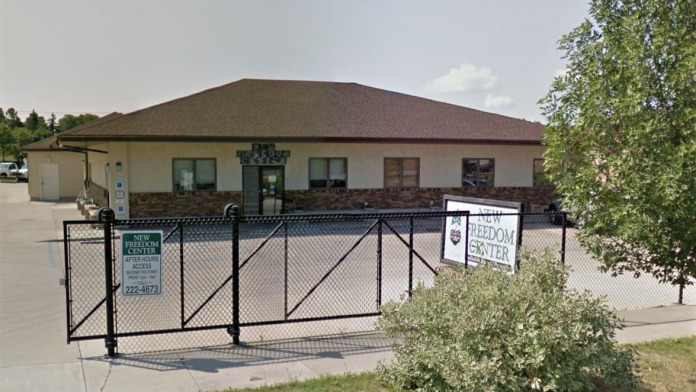
New Freedom Center is located at 905 East Interstate Avenue in Bismarck, North Dakota making community based recovery services accessible to clients and families in the area.
Awesome place….. great staff…. Great resources. Very educational! They take really good care of you and make sure your aftercare is set up and that you are safe when leaving. They don’t just deal with addiction they also deal with what lead you to addiction! They will bend over backwards to help you. You have to be will to accept it. They set you up for success! Thank you NFC!
Treatment services at NFC are excellent. All of the staff are great people who care about their clients success. I was at a different Treatment center previously that was BS compared to the level of care at New Freedom. I highly recommend.
Scoring is assigned by a proprietary system which helps surface key metrics that determine quality. The 10-point scale factors in categories such as operations, customer satisfaction, and trust metrics. Read Full Methodology
5.5 / 10
Gallery
Other Forms of Payment
Private insurance refers to any kind of healthcare coverage that isn't from the state or federal government. This includes individual and family plans offered by an employer or purchased from the Insurance Marketplace. Every plan will have different requirements and out of pocket costs so be sure to get the full details before you start treatment.
Self-pay involves paying for treatment out of your own pocket. You can use savings or credit, get a personal loan, or receive help from family and friends to fund your treatment. If you don't have insurance or your insurance plan doesn't cover a specific program, self-pay can help ensure you still get the care you need.
Financial aid can take many forms. Centers may have grants or scholarships available to clients who meet eligibility requirements. Programs that receive SAMHSA grants may have financial aid available for those who need treatment as well. Grants and scholarships can help you pai for treatment without having to repay.
Medicaid is a state based program that helps lower-income individuals and families pay for healthcare. Medicaid covers addiction treatment so those enrolled can use their coverage to pay for rehab. When a program accepts Medicaid the client often pays very little or nothing out of their own pocket.
Military members, veterans, and eligible dependents have access to specific insurance programs that help them get the care they need. TRICARE and VA insurance can help you access low cost or no cost addiction and mental health treatment. Programs that accept military insurance often have targeted treatment focused on the unique challenges military members, veterans, and their families face.
Addiction Treatments
Levels of Care
Outpatient sessions are done in a group setting. They consist of educational information provided through lectures, videos, and group discussions. Outpatient clients also have the opportunity to meet individually with their case manager as needed. Clients will be given homework assignments to complete following each session they attend. Additional assignments may be given according to each client’s individual treatment plan. Day Treatment and Intensive Outpatient clients are required to participate in a family session. Low Intensive Outpatient Treatment consists of meeting on Tuesday from 6pm-8pm.
Residential services at New Freedom Center treat addiction with a holistic approach. In their residential setting, guests receive a variety of services to assist with recovery in the physical, the spiritual and the psychological aspects of their lives. Services offered to those in residential treatment include: group therapy, individual therapy, family therapy, medication monitoring, referrals and individualized treatment planning to assist with unique needs. Services are offered by specialized professional staff that understands and empathizes with the struggles of recovering from an addiction. Residential treatment takes place on a 24/7 basis with constant support available. Each guest’s length of stay is determined based upon individual needs.
Intensive Outpatient programs are for those who want or need a very structured treatment program but who also wish to live at home and continue with certain responsibilities (such as work or school). Intensive Outpatient Treatment consists of meeting Monday from 6pm-9pm, Wednesday from 6pm-9pm and Thursday from 6pm-9m.
12-step programs are addiction recovery models based on Alcoholics Anonymous (AA). A number of substance abuse programs (including some drug and alcohol rehab centers) use the 12 steps as a basis for treatment. Beginning steps involve admitting powerlessness over the addiction and creating a spiritual basis for recovery. Middle steps including making direct amends to those who've been hurt by the addiction, and the final step is to assist others in addiction recovery in the same way. 12-Step offshoots including Narcotics Anonymous (NA), Cocaine Anonymous (CA), Dual Recovery Anonymous (DRA), Sex and Love Addicts Anonymous (SLAA) and Gamblers Anonymous (GA).
Residents of a sober living home in North Dakota are often transitioning from inpatient treatment programs, but they're not quite ready to return home and live on their own. While living in the halfway house, residents must follow a strict set of rules and schedules, including maintaining attendance in recovery groups, participating in household duties, and, above all, remaining sober. Breaking established house rules can result in eviction.
Intervention services helps family or friends of addicts stage an intervention, which is a meeting in which loved ones share their concerns and attempt to get an addict into treatment. Professional intervention specialists can help loved ones organize, gather, and communicate with an addict. They can guide intervention participants in describing the damage the addict's behavior is causing and that outside help is necessary to address the addiction. The ideal outcome of an intervention is for the addict to go to rehab and get the help they need.
In a partial hospitalization program (PHP), you'll experience intensive rehab with the ability to return home each day. PHP treatment is recommended for those with moderate to severe addictions that don't require 24/7 care. A partial hospitalization program serves as an alternative to inpatient hospitalization or as a step-down option. Throughout the week, you'll attend meetings for 4-8 hours each day, up to 3-5 days a week, for an average of 90 days. Medication management, evidence-based therapies, and relapse prevention are typical components of PHP treatment.
Medically assisted detox involves weaning your body off alcohol and drugs in a medically supervised environment. This is often the first step in the addiction recovery process. Abruptly stopping intake of alcohol and some drugs (like benzodiazepines and opioids) can cause uncomfortable side effects. In severe cases, withdrawal symptoms can even be dangerous. To minimize risks and discomfort, a team of medical professionals will monitor you 24/7, and may provide medications if necessary to ease potential withdrawal symptoms.
Treatments
The goal of treatment for alcoholism is abstinence. Those with poor social support, poor motivation, or psychiatric disorders tend to relapse within a few years of treatment. For these people, success is measured by longer periods of abstinence, reduced use of alcohol, better health, and improved social functioning. Recovery and Maintenance are usually based on 12 step programs and AA meetings.
The goal of drug rehab in North Dakota is to help individuals overcome addiction. These programs provide treatment for both mind and body and teach participants how to live healthy, productive lives without drug abuse.
Opioid rehabs specialize in supporting those recovering from opioid addiction. They treat those suffering from addiction to illegal opioids like heroin, as well as prescription drugs like oxycodone. These centers typically combine both physical as well as mental and emotional support to help stop addiction. Physical support often includes medical detox and subsequent medical support (including medication), and mental support includes in-depth therapy to address the underlying causes of addiction.
Substance rehabs focus on helping individuals recover from substance abuse, including alcohol and drug addiction (both illegal and prescription drugs). They often include the opportunity to engage in both individual as well as group therapy.
Programs
Adult rehab programs include therapies tailored to each client's specific needs, goals, and recovery progress. They are tailored to the specific challenges adult clients may face, including family and work pressures and commitments. From inpatient and residential treatment to various levels of outpatient services, there are many options available. Some facilities also help adults work through co-occurring conditions, like anxiety, that can accompany addiction.
Young adulthood can be an exciting, yet difficult, time of transition. Individuals in their late teens to mid-20s face unique stressors related to school, jobs, families, and social circles, which can lead to a rise in substance use. Rehab centers with dedicated young adult programs will include activities and amenities that cater to this age group, with an emphasis on specialized counseling, peer socialization, and ongoing aftercare.
Recovery is most successful when clients feel accepted and validated by their peers and treatment providers. Facilities that offer LGBTQ-inclusive programming are committed to creating a safe space where everyone can grow and recover without fear of judgment or discrimination. They will have dedicated policies in place to create a safe and supportive environment that fosters free expression.
Clinical Services
Unlike some therapeutic methods, cognitive behavioral therapy in North Dakota focuses on the present rather than the past. The goal is to move forward with new patterns of thinking and behavior that are healthy and productive.
Group therapy is any therapeutic work that happens in a group (not one-on-one). There are a number of different group therapy modalities, including support groups, experiential therapy, psycho-education, and more. Group therapy involves treatment as well as processing interaction between group members.
In individual therapy, a patient meets one-on-one with a trained psychologist or counselor. Therapy is a pivotal part of effective substance abuse treatment, as it often covers root causes of addiction, including challenges faced by the patient in their social, family, and work/school life.
Motivational interviewing helps you find internal motivation to change. If you're feeling insecure about your ability to change or ambivalent about the need for change, this method can help you explore your options and motivations.
Trauma therapy aims to help you heal from the emotional and physical effects that are common after witnessing or experiencing a traumatic event. Working with a therapist, you learn to process the experience and develop healthy coping strategies that reduce your anxiety and improve your self confidence.
Couples therapy lasts an average of 12 sessions. Most sessions involve both partners; however, therapists may also meet with each partner individually. The focus of couples therapy is to address conflict and improve the way you handle challenges in the relationship.
New Freedom Center’s Family Program is designed to aid and encourage people who live with or care about a person with an addiction. Through informed discussion and guidance family members learn they cannot control their loved one's addiction, but they can take ownership of their own health and well-being. The challenges of living with addiction have many consequences for a family. Families of alcoholics and addicts can often feel confused, angry, and helpless. Their family program helps to diminish anxiety and promotes healing for loved ones. Their goal is reconciliation and teaching family members to identify new, healthy ways of coping with addiction and relationships.
Your dialectical behavior therapy sessions in North Dakota will include individual and group formats. During group sessions, you may participate in group exercises such as role play. You'll also have homework assignments each week to practice the skills you're learning and to keep a diary of your emotions. Diary entries will guide your weekly one on one sessions.
Amenities
Residential Setting
Private Rooms
Staff & Accreditations
Staff
Joshua Olson
CEO
Michael Lynde
Program Director
Matthew Kindsvogel
Case Manager
Accreditations
State Licenses are permits issued by government agencies that allow rehab organizations to conduct business legally within a certain geographical area. Typically, the kind of program a rehab facility offers, along with its physical location, determines which licenses are required to operate legally.
State License: North Dakota
Rehab.com regularly reviews this listing for accuracy but changes may occur between updates. For the most up-to-date information, please contact New Freedom Center.
Deeply Unprofessional and Potentially Harmful Conduct
I am extremely disappointed in the way New Freedom Center handled the recent discharge of someone very close to me. With less than a week left in her treatment program and clear plans in place for what would come next, ...
Read More
Deeply Unprofessional and Potentially Harmful Conduct
I am extremely disappointed in the way New Freedom Center handled the recent discharge of someone very close to me. With less than a week left in her treatment program and clear plans in place for what would come next, she was suddenly discharged with no warning.
She was released with no food, no money, no shelter, no transportation, and absolutely no aftercare plan. For a facility that claims to focus on recovery, this is not only unacceptable — it’s dangerous. Discharging someone in early recovery with no support or preparation puts them at extreme risk of relapse and undermines all the progress they’ve made.
It’s hard not to view this as a financially motivated decision. The insurance payments had already been collected, and it appears they chose to free up a bed rather than support a patient through their final days in treatment. That’s not care — that’s patient dumping.
Recovery demands compassion, structure, and responsibility. What happened here demonstrated none of those things. It was not just unprofessional — it was reckless.
I strongly urge anyone considering New Freedom Center to think twice. If this is how they treat people at their most vulnerable, it speaks volumes about their true priorities.
Crystal Ozenbaugh
1 year ago
1
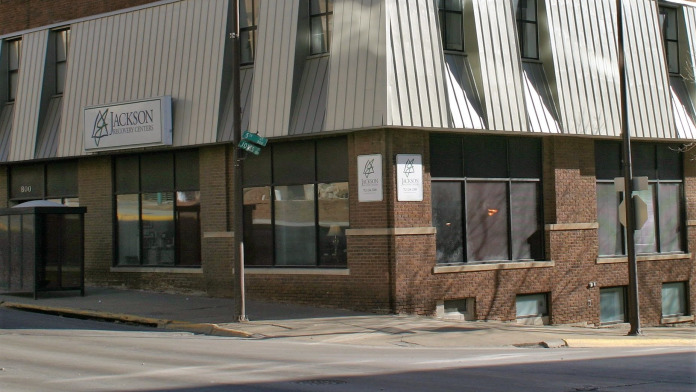
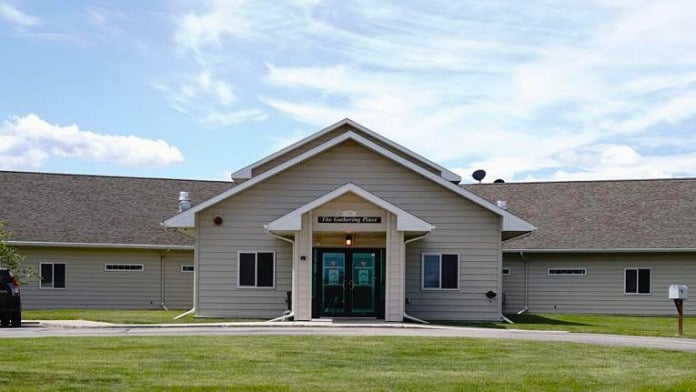
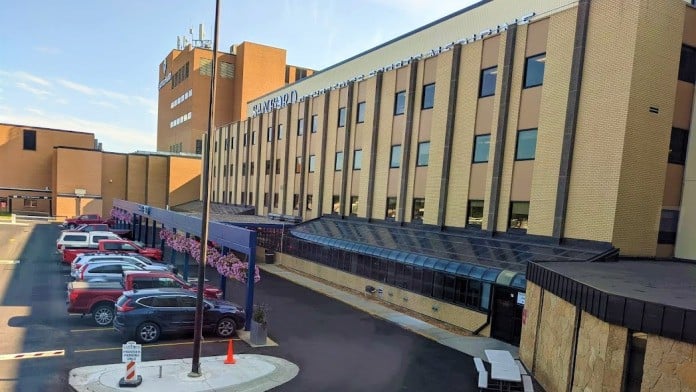
I got on the website to see if I would like the facility and to see if I could see a room I would stay in for a bathroom or any of the medication rooms or whatever amenities they might have and also show on every picture is some dog
Montez Mattison
1 year ago
1
I was trying to get help for my alcoholism at this unit. I had came in and talked to workers about my issues. We discussed about what would be needed to move forward. After I had collected what was needed the center and myself set up at start date. On this start date I met a woman by the name Jackie who is the project director. Upon meeting this woman I was denied treatment. Jackie never took a look at any documentation I was asked to bring in. Jackie then informed me that she would call the police on me if I did not leave right away. Jackie was never threatened or talked to in a voice that was threatening. When I called the facility she would not give me the corporate office number. Told me I have the name of the company and that was enough. Then proceeded to hang up the phone on me because she was done talking. There was no disrespect on my behalf. She did not have to deal with me cursing at her but was comfortable disconnecting our call. This was so unprofessional by the regional manager about an issue !
Montez Mattison
Sher Menchaca
3 years ago
5
Awesome place….. great staff…. Great resources. Very educational! They take really good care of you and make sure your aftercare is set up and that you are safe when leaving. They don’t just deal with addiction they also deal with what lead you to addiction! They will bend over backwards to help you. You have to be will to accept it. They set you up for success! Thank you NFC!
By calling the helpline you agree to the terms of use. We do not receive any commission or fee that is dependent upon which treatment provider a caller chooses. There is no obligation to enter treatment.
Calls to numbers on a specific treatment center listing will be routed to that treatment center. Calls to any general helpline could be forwarded to SAMHSA or a verified treatment provider.
If you wish to connect with non-sponsor centers, you can browse top-rated listings, visit our homepage and browse by state, or visit SAMHSA.

 Sponsored Helpline





























































































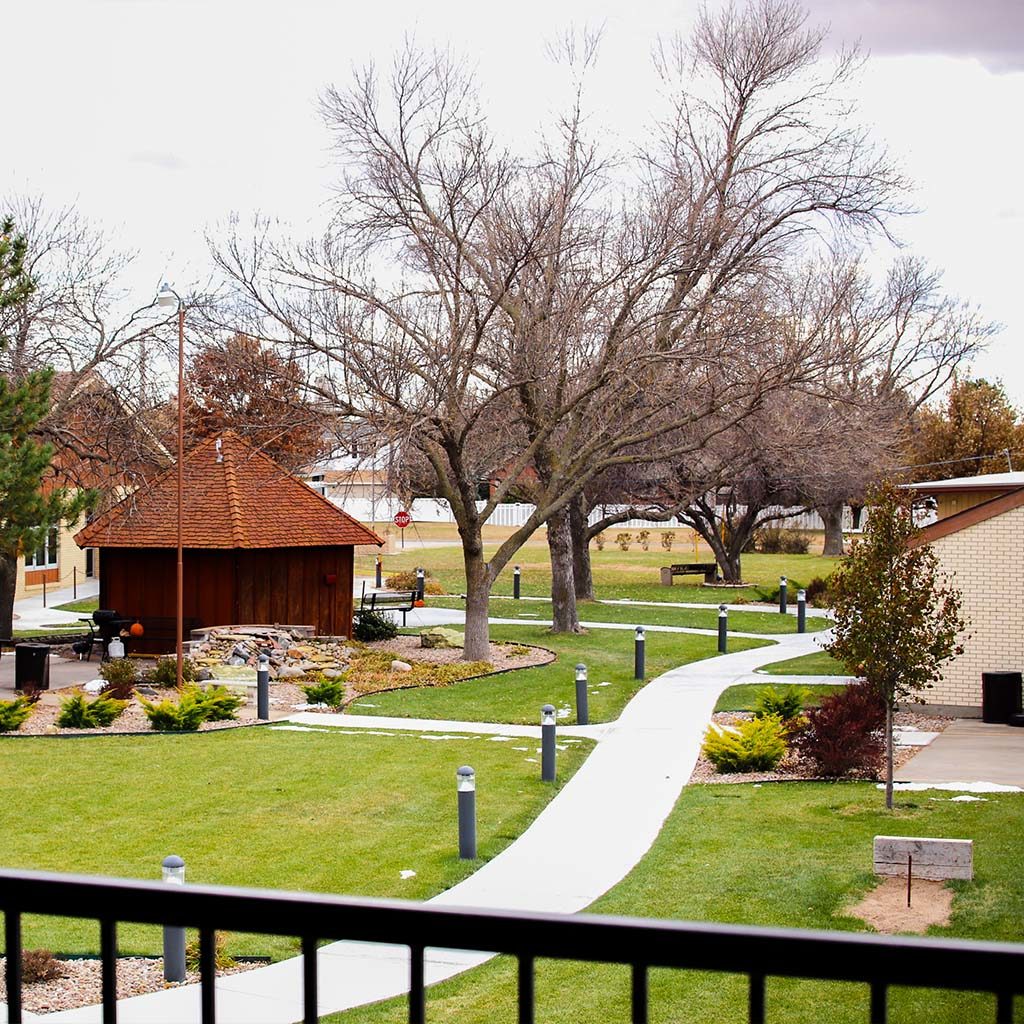
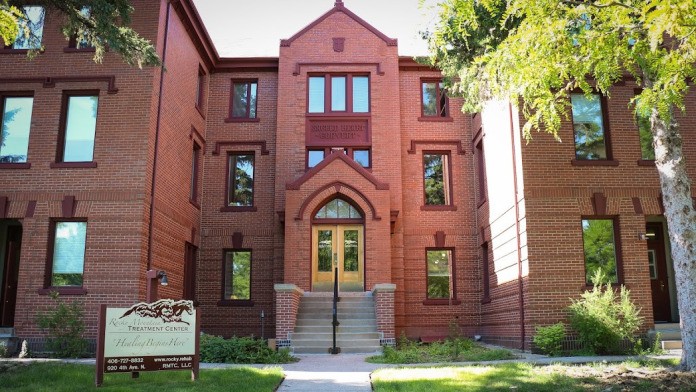
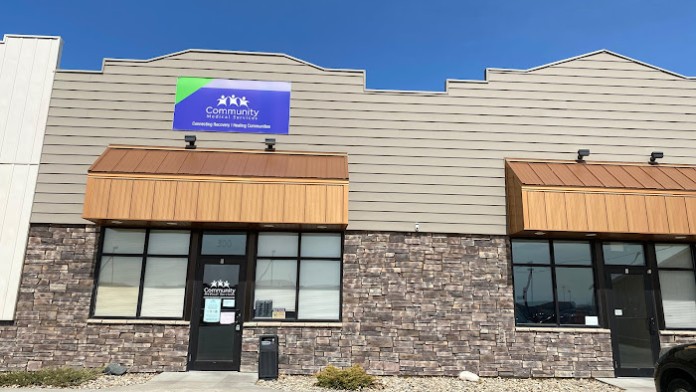





 Residential Setting
  Private Rooms