






























































































My son has been here before. He is no longer a younger man, n has been to many rehabs. He states this is the best in state of Md. The staff is respectful of the patients needs. Although I can't contact him for encouragement, his counselor makes sure he gets a chance to call ...
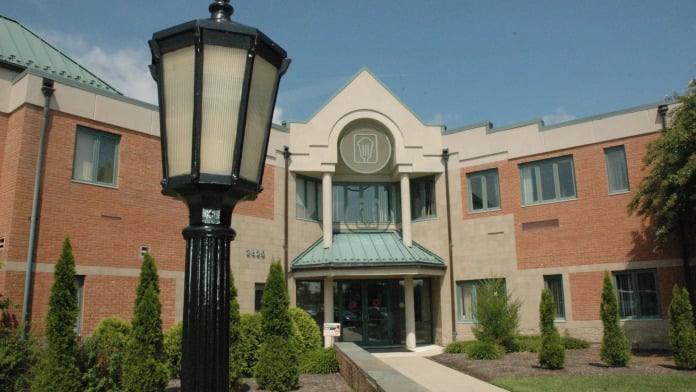
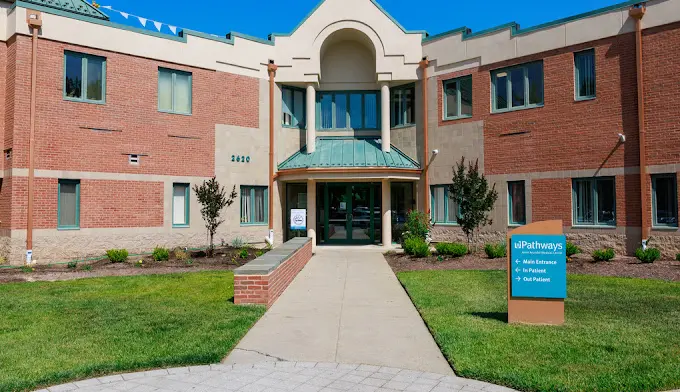
About Luminis Health Pathways
Clients may require detox upon admittance. In residential detox, clients are supervised 24/7 to ease their withdrawal pains and to reduce cravings. Medication management may be available. After detox, clients transition into the inpatient program.
In the inpatient program, 24/7 monitoring and care are available. Withdrawal management, individual therapy, group therapy, family education, 12 Step programming, adventure therapy, and spirituality groups are provided. Clients will receive aftercare planning prior to graduation.
Clients who do not require overnight stays may participate in the day program with optional night boarding. Partial hospitalization consists of therapy, adventure therapy, and community engagement activities.
The intensive outpatient program offers treatment three to four days a week. Sessions take place in the evenings and last for three hours at a time. Clients participate in individual therapy, group therapy, family therapy, and psychoeducational classes.
The general outpatient program includes behavioral urgent care appointments for mental health concerns. It also includes individual therapy, group therapy, family therapy, and self help groups such as SMART Recovery and 12 Step programming. As clients step into aftercare programming, peer support becomes an integral part of their treatment plan.
Luminis Health Pathways is accredited by The Joint Commission.
Luminis Health Pathways offers self pay and financing options. The center may be in network with Aetna, Beacon, BlueCross/BlueShield, Cigna, Humana, and Optum. Please check your coverage for out of network benefits.
Facility Overview
 31 - 60
 Avg Length of Stay in Days
Latest Reviews
This facility changed my life! What sets it apart from the rest is their adventure therapy. It teaches you that sobriety can only be had with the help of others. The food is great. The staff is phenomenal. I would highly recommend this program to anyone seeking to change their life.
Response from the owner3 weeks ago
Thank you for your wonderful feedback! We're thrilled to hear about your positive experience and appreciate your kind words about our team and services. Your recommendation means a lot to us, and we're committed to providing compassionate, high-quality care to all.
**2nd UPDATE** Going on 8 years clean and still going strong!! 👍🏋️♂️ I went from not having 2 nickels to rub together to now, I own my own company, I own my own home and I am so grateful to Pathways for getting me here. I will forever be grateful to this place and to the many people who worked there that helped me achieve sobriety and the life I knew I could have. 🙏🙏🙏
*UPDATE* Four and a half years clean and going strong! 💪👍 I owe it all to Pathways!!
Original post: Best rehab I've ever been to. Great staff, great community of us patients - I couldn't have asked for a better rehab. Anyone who says otherwise was not serious about getting clean, bottom line. I've been clean for 11 months which is the first time I've said that in 20 years. I will always be grateful to Pathways for giving me my life back and, once again, being a successful & contributing member of society.
We thank you for letting be a part of your journey! Please feel free to reach out if we can help in any way.
Thank you for sharing your experience.
Response from the owner3 weeks ago
Congratulations to you on your continued recovery!We thank you for letting be a part of your journey! Please feel free to reach out if we can help in any way.
Thank you for sharing your experience.
Went here as an adolescent and I'm glad to see it's still there and that mark and his adventure therapy is still a thing. I still remember the course. Thank you for helping me. Though I did sadly relapse a few years later. But I'm clean now and I have over ten years under my belt. I remember the food was good too that's always a plus cuz you never wanna eat depending on what drugs you were on.
Response from the owner3 weeks ago
Thank you for sharing your positive experience at Luminis Health Pathways. 
Rehab Score
 Our Methodology
Scoring is assigned by a proprietary system which helps surface key metrics that determine quality. The 10-point scale factors in categories such as operations, customer satisfaction, and trust metrics. Read Full Methodology

8.2 / 10
Gallery
Accepted Insurance
Other Forms of Payment
Self-pay involves paying for treatment out of your own pocket. You can use savings or credit, get a personal loan, or receive help from family and friends to fund your treatment. If you don't have insurance or your insurance plan doesn't cover a specific program, self-pay can help ensure you still get the care you need.
Private insurance refers to any kind of healthcare coverage that isn't from the state or federal government. This includes individual and family plans offered by an employer or purchased from the Insurance Marketplace. Every plan will have different requirements and out of pocket costs so be sure to get the full details before you start treatment.
Medicaid is a state based program that helps lower-income individuals and families pay for healthcare. Medicaid covers addiction treatment so those enrolled can use their coverage to pay for rehab. When a program accepts Medicaid the client often pays very little or nothing out of their own pocket.
Military members, veterans, and eligible dependents have access to specific insurance programs that help them get the care they need. TRICARE and VA insurance can help you access low cost or no cost addiction and mental health treatment. Programs that accept military insurance often have targeted treatment focused on the unique challenges military members, veterans, and their families face.
Sliding scale payments are based on a client's income and family size. The goal is to make treatment affordable to everyone. By taking these factors into account, addiction recovery care providers help ensure that your treatment does not become a financial burden to you or your family, eliminating one barrier to care.
Addiction Treatments
Levels of Care
Pathways’ drug rehab and alcohol treatment programs are guided by the philosophy that alcohol and drug addiction is a progressive illness, treatable through professional and compassionate care, strong family involvement, education, and a 12-step-based approach to ongoing recovery and support. The goal is to help each individual attain the physical, emotional, and social tools that light the path to a fulfilling personal recovery.
Instensive Outpatient programs are for those who want or need a very structured treatment program but who also wish to live at home and continue with certain responsibilities (such as work or school). IOP substance abuse treatment programs vary in duration and intensity, and certain outpatient rehab centers will offer individualized treatment programs. A variable-length-of-stay program requiring specific individualized treatment plan objectives be met prior to discharge at Pathways. Sessions are three hours, three to four times a week, and held in the evening.
Outpatient programs are for those seeking mental rehab or drug rehab, but who also stay at home every night. The Traditional Outpatient Group focuses on education, self-diagnosis, defense mechanisms, development of a sober support network, and relapse prevention. Typically a 12-week evening program (if clinically appropriate) for adults who have experienced some negative consequences from their substance abuse. Participation requires specific individualized treatment plan objectives be met prior to discharge. Ninety-minute sessions are held weekly.
Completing a drug or alcohol rehab program shouldn’t spell the end of substance abuse treatment. Aftercare involves making a sustainable plan for recovery, including ongoing support. The Continuing Care Outpatient Program is a variable-length-of-stay program that provides supportive care for those who are in continuing recovery. Participation in this group requires specific individualized treatment plan objectives be met prior to discharge. Weekly 90-minute sessions are held at night.
When clinically indicated, adults are admitted to Pathways for full-time inpatient care. The clinically proven program is a 24-hour treatment program for patients who suffer from with alcohol and/or substance use disorders. In addition, mental health needs are also assessed and treated as part of our comprehensive services. Their programs are tailored to each patient’s individual needs. Length of stay is based on each individual’s clinical need.
Drug and alcohol addiction often takes a heavy toll on one's body. Over time, a physical dependence can develop, meaning the body physiologically needs the substance to function. Detox is the process of removing drugs and/or alcohol from the body, a process that can be lethal if mismanaged. Medical detox is done by licensed medical professionals who monitor vital signs and keep you safe, healthy, and as comfortable as possible as you go through detox and withdrawal.
At certain points in the recovery process, it's important to have support available 24/7. 24-hour clinical care offers a safe environment in which to recover from drug or alcohol addiction in peace, knowing medical detox and other treatment will happen with professionals on hand.
If you think a loved one needs help with substance abuse, but they are not seeking treatment, it may be time for a drug intervention in Maryland. Intervention services can help you with this effort. During the intervention, loved ones share how their addiction-related behavior has affected them and encourage the individual to get treatment. The intervention specialist helps facilitate the conversation and explain how treatment can help.
Treatments
The goal of treatment for alcoholism is abstinence. Those with poor social support, poor motivation, or psychiatric disorders tend to relapse within a few years of treatment. For these people, success is measured by longer periods of abstinence, reduced use of alcohol, better health, and improved social functioning. Recovery and Maintenance are usually based on 12 step programs and AA meetings.
Once a person has become addicted to a substance, drug rehab in Maryland is often necessary to overcome that addiction. These programs provide the tools individuals need to manage the physical, mental, and emotional issues involved and begin a successful recovery journey.
Many of those suffering from addiction also suffer from mental or emotional illnesses like schizophrenia, bipolar disorder, depression, or anxiety disorders. Rehab and other substance abuse facilities treating those with a dual diagnosis or co-occurring disorder administer psychiatric treatment to address the person’s mental health issue in addition to drug and alcohol rehabilitation. At Pathways, they understand that mental health and substance use conditions often occur at the same time. Many times patients are aware they need help for an addiction, but do not realize that another mental disorder may be making symptoms or behaviors worse. Co-occurring conditions may contribute to the progression of drug or alcohol dependency. This is why we emphasize early identification of co-occurring disorders to address recovery needs.
A combined mental health and substance abuse rehab has the staff and resources available to handle individuals with both mental health and substance abuse issues. It can be challenging to determine where a specific symptom stems from (a mental health issue or an issue related to substance abuse), so mental health and substance abuse professionals are helpful in detangling symptoms and keeping treatment on track.
Opioid rehabs specialize in supporting those recovering from opioid addiction. They treat those suffering from addiction to illegal opioids like heroin, as well as prescription drugs like oxycodone. These centers typically combine both physical as well as mental and emotional support to help stop addiction. Physical support often includes medical detox and subsequent medical support (including medication), and mental support includes in-depth therapy to address the underlying causes of addiction.
Programs
Adult rehab programs include therapies tailored to each client's specific needs, goals, and recovery progress. They are tailored to the specific challenges adult clients may face, including family and work pressures and commitments. From inpatient and residential treatment to various levels of outpatient services, there are many options available. Some facilities also help adults work through co-occurring conditions, like anxiety, that can accompany addiction.
Young adulthood can be an exciting, yet difficult, time of transition. Individuals in their late teens to mid-20s face unique stressors related to school, jobs, families, and social circles, which can lead to a rise in substance use. Rehab centers with dedicated young adult programs will include activities and amenities that cater to this age group, with an emphasis on specialized counseling, peer socialization, and ongoing aftercare.
Clinical Services
Experiential therapy is a form of therapy in which clients are encouraged to surface and work through subconscious issues by engaging in real-time experiences. Experiential therapy departs from traditional talk therapy by involving the body, and having clients engage in activities, movements, and physical and emotional expression. This can involve role-play or using props (which can include other people). Experiential therapy can help people process trauma, memories, and emotion quickly, deeply, and in a lasting fashion, leading to substantial and impactful healing.
Research clearly demonstrates that recovery is far more successful and sustainable when loved ones like family members participate in rehab and substance abuse treatment. Genetic factors may be at play when it comes to drug and alcohol addiction, as well as mental health issues. Family dynamics often play a critical role in addiction triggers, and if properly educated, family members can be a strong source of support when it comes to rehabilitation. Pathways also places great importance on nurturing and restoring trust and hope in family members. Virtually every one of their drug rehab and alcohol treatment programs includes a family component to help mend the family rifts that are a common by-product of addiction.
Group therapy is any therapeutic work that happens in a group (not one-on-one). There are a number of different group therapy modalities, including support groups, experiential therapy, psycho-education, and more. Group therapy involves treatment as well as processing interaction between group members.
In individual therapy, a patient meets one-on-one with a trained psychologist or counselor. Therapy is a pivotal part of effective substance abuse treatment, as it often covers root causes of addiction, including challenges faced by the patient in their social, family, and work/school life.
Nutrition therapy, aka medical nutrition therapy (MNT), is a way of treating physical, emotional, and medical conditions through diet. Specific dietary plans are designed by professional nutritionists or registered dietitians, and patients follow them in order to positively affect their physical and mental health.
Cognitive behavioral therapy in Maryland emphasizes your current life rather than what has happened in the past. Your therapist will help you develop methods to deal with current and future challenges so you can cope in healthy ways that don't involve substances.
Four key principles guide motivational interviewing. These are empathy, self efficacy, rolling with resistance, and developing discrepancy. These techniques allow the client to examine their motivations for change, identify discrepancies in their current situation and future goals, and feel empowered to make changes to reach their goals.
The focus of trauma therapy is to heal the emotional wounds that occurred when you witnessed or experienced a traumatic event. Therapy helps you process this trauma emotionally and mentally so you develop healthier coping skills and improve your quality of life.
When you participate in couples therapy, you learn how to understand each other better, improve your communication skills, resolve conflict, and improve relationship satisfaction. Your therapist will help you develop skills in each of these areas to strengthen your relationship.
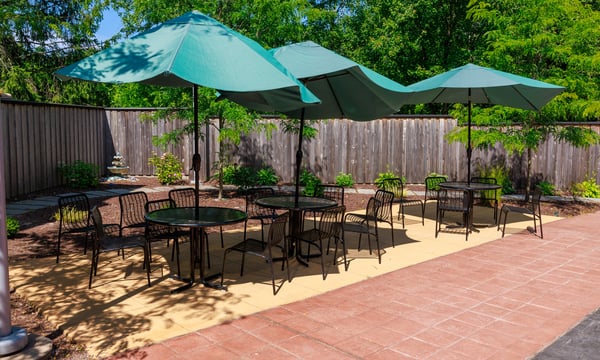
Amenities
-
 Private Setting
 -
 Private Rooms
 -
 Hiking
Staff & Accreditations
Staff
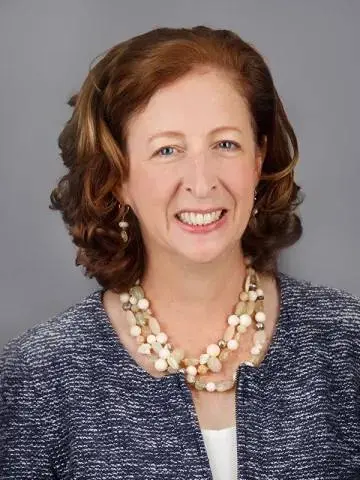
Victoria W. Bayless
CEO
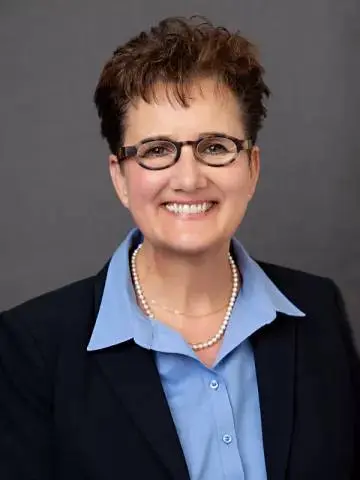
Sherry Perkins
President
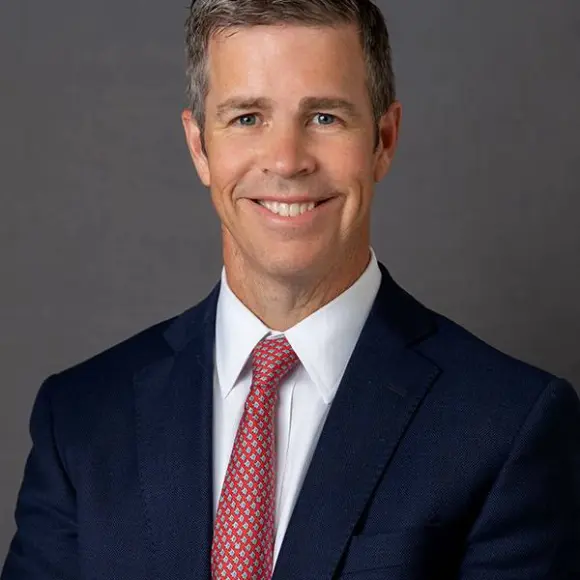
Timothy Adelman, Esq
General Counsel and Chief Legal Officer
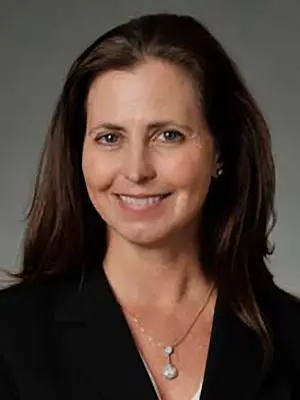
Catherine Martin, Esq
Chief Corporate Compliance Officer
Accreditations

The Joint Commission, formerly known as JCAHO, is a nonprofit organization that accredits rehab organizations and programs. Founded in 1951, the Joint Commision's mission is to improve the quality of patient care and demonstrating the quality of patient care.
Joint Commission Accreditation: Yes
Accreditation Number: 1954
Rehab.com regularly reviews this listing for accuracy but changes may occur between updates. For the most up-to-date information, please contact Luminis Health Pathways.
Contact Information

2620 Riva Road
Annapolis, MD 21401
Get Help Now - 443-376-8434
Sponsored Helpline
Sponsored Helpline


