






























































































This place sucks big time. The experience here is similar to that of a prison, I mean the receptionists are behind a glass. They try to get people out of there in less than 21 days. That isn't enough time to let someone adjust to treatment. They should be shut down, this fac ...
About Community & Family Resources
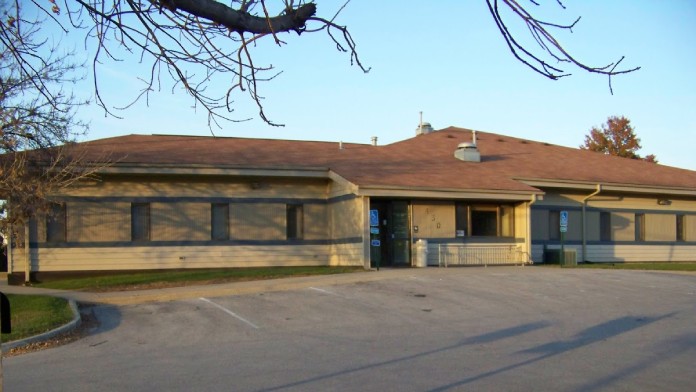
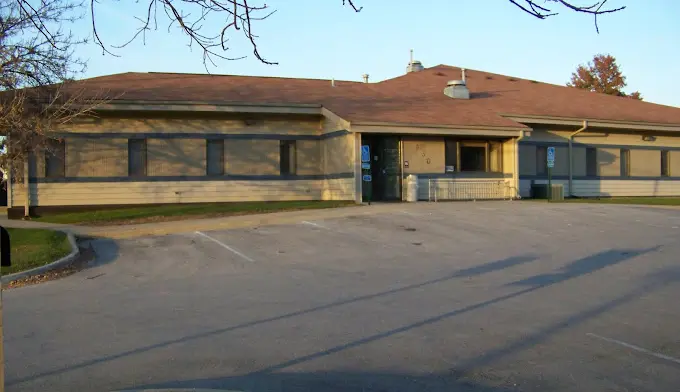
Community & Family Resources is a behavioral health organization providing adult substance use treatment at its Iowa City location on Southgate Avenue.
The program offers residential and outpatient care addressing substance use, problem gambling and co-occurring mental health needs with approaches like DBT and Medication Assisted Treatment.
With a mission focused on breaking barriers and reducing stigma Community & Family Resources helps Iowans reconnect with family, work and community.
Adult Substance Use Treatment
The Southgate campus combines adult residential and outpatient substance use treatment at one convenient location.
Care begins with evaluation and assessment followed by individualized treatment planning, individual and group counseling, random drug screens and family participation.
Outpatient clients can choose between an Intensive Outpatient Program offering six hours of group services weekly for twelve weeks, or an Extended Outpatient Program with four hours weekly for about six weeks.
Residential treatment provides a safe, drug-free and gambling-free living environment with education, recreation, family groups and visitation.
Family-Inclusive and Barrier-Reducing Care
Family participation and support are woven throughout both residential and outpatient care, helping clients rebuild meaningful connections.
To make treatment more accessible the organization offers same-day access and secure distance treatment by webcam or phone when appropriate.
Latest Reviews
This is my second opportunity to see a counselor for brain health. Thank you to everyone I have worked with over the past two years. The therapist I see is a beautiful human being. They listen & hear me & call me in when I need extra guidance. I also see a psychiatrist for meds and they are also caring & kind. The staff for both professionals is top notch! Kudos to the nurses & office support! Thank you CFR for providing this wonderful resource to communities surrounding IC.
Cfr has literally changed my life in such positive ways I never thought were possible. I was an extremely lost and addicted individual. After 21 of my 34 years of life being helplessly addicted to a number of drugs and gambling my life away, I received a call. The lady on the phone said her name was Shea and asked if I was ready to get help. I don't think I went after that phone call but it got me thinking about my life and the second time she called I knew I needed to at least try, as I was literally on the brink of death. So I did I called my sister and had her take me to guide links.
Cfr saved my life that day and started me on my journey to living a sober life filled with happiness and endless support. My family has began trusting and supporting me as well and I know if it had not been for cfr I would not be where I am at today.
There were a number of individuals at CFR crucial in my successful recovery. Starting with all of the residential techs guiding me through my initial withdraws and struggle I endured while in residential. Successfully graduating me from that program.
Knowing I had a battle ahead of me cfr enrolled me into there IOP program where I'd like to give a shout out to the staff of all cfr. Nancy, Ronda, Hailey, Weller, and Lori you all have changed my life and I am forever grateful... I am 90 days sober today and happier than I ever thought possible.
I attend church every Sunday and also continue my recovery in eop through cfr. I have found happiness and sobriety thanks to all of you at CFR and only hope anyone out there struggling with addiction can also find you guys and receive this gift of a good life as I have.
I love you all and if there is anyway I could help in any way it would be my pleasure.
God bless you all, and thank you for giving me the tools I needed to succeed in my journey to sobriety.
Great place. Highly recommend

Rehab Score
 Our Methodology
Scoring is assigned by a proprietary system which helps surface key metrics that determine quality. The 10-point scale factors in categories such as operations, customer satisfaction, and trust metrics. Read Full Methodology

7.5 / 10
Gallery
Other Forms of Payment
Private insurance refers to any kind of healthcare coverage that isn't from the state or federal government. This includes individual and family plans offered by an employer or purchased from the Insurance Marketplace. Every plan will have different requirements and out of pocket costs so be sure to get the full details before you start treatment.
Self-pay involves paying for treatment out of your own pocket. You can use savings or credit, get a personal loan, or receive help from family and friends to fund your treatment. If you don't have insurance or your insurance plan doesn't cover a specific program, self-pay can help ensure you still get the care you need.
Financial aid can take many forms. Centers may have grants or scholarships available to clients who meet eligibility requirements. Programs that receive SAMHSA grants may have financial aid available for those who need treatment as well. Grants and scholarships can help you pai for treatment without having to repay.
Sliding scale payments are based on a client's income and family size. The goal is to make treatment affordable to everyone. By taking these factors into account, addiction recovery care providers help ensure that your treatment does not become a financial burden to you or your family, eliminating one barrier to care.
Medicaid is a state based program that helps lower-income individuals and families pay for healthcare. Medicaid covers addiction treatment so those enrolled can use their coverage to pay for rehab. When a program accepts Medicaid the client often pays very little or nothing out of their own pocket.
Addiction Treatments
Levels of Care
Outpatient Programs (OP) are for those seeking mental rehab or drug rehab, but who also stay at home every night. The main difference between outpatient treatment (OP) and intensive outpatient treatment (IOP) lies in the amount of hours the patient spends at the facility. Most of the time an outpatient program is designed for someone who has completed an inpatient stay and is looking to continue their growth in recovery. Outpatient is not meant to be the starting point, it is commonly referred to as aftercare.
Residential care is their most involved and comprehensive level of care and is offered in both Des Moines and Iowa City. The program is designed to provide an intensive and nurturing treatment experience in a 24-hour setting. Their residential program will provide you with a comprehensive assessment of your treatment needs and goals, and personalized action steps to help you meet those goals.
Intensive Outpatient Programs (IOP) are for those who want or need a very structured treatment program but who also wish to live at home and continue with certain responsibilities (such as work or school). IOP substance abuse treatment programs vary in duration and intensity, and certain outpatient rehab centers will offer individualized treatment programs.
Rehab aftercare programs support clients' reintegration into their home, workplace, and community following inpatient and residential treatment. They also promote long-term recovery for clients who may no longer be receiving outpatient treatment. Rehab aftercare services encompass a wide range of modalities and often include various medical, mental health, and social service programs. Case managers and care teams develop clients' customized service plans based on the client's evolving needs and recovery goals.
12-step programs are addiction recovery models based on Alcoholics Anonymous (AA). A number of substance abuse programs (including some drug and alcohol rehab centers) use the 12 steps as a basis for treatment. Beginning steps involve admitting powerlessness over the addiction and creating a spiritual basis for recovery. Middle steps including making direct amends to those who've been hurt by the addiction, and the final step is to assist others in addiction recovery in the same way. 12-Step offshoots including Narcotics Anonymous (NA), Cocaine Anonymous (CA), Dual Recovery Anonymous (DRA), Sex and Love Addicts Anonymous (SLAA) and Gamblers Anonymous (GA).
Prelude Halfway care offers an opportunity to clients transitioning from residential care who may need additional time to locate employment, housing, save for a rent deposit, etc. before leaving the structured residential setting. Discussion about halfway services can begin with your residential counselor immediately when you begin residential treatment. Clients participating in halfway care typically do so for 30-60 days while continuing their journey towards a healthier life. They do so by participating in counseling’s services and starting to integrate back into the community through work, involvement in education, or actively volunteering.
Intervention services can help family members communicate effectively with each other and with the individual who is struggling with a substance use disorder. A professional interventionist addresses family dynamics that have worsened the situation or prevented the individual from seeking help. This expert can also help the family plan a drug intervention in Iowa. After the intervention, ongoing intervention services can help families in their own recovery, regardless of whether the individual chooses to enter treatment.
Commonly referred to as "day treatment," a partial hospitalization program (PHP) is a short-term, intensive rehab option that provides structured treatment for those who don't require 24-hour care. PHP treatment can also be used as an alternative to inpatient hospitalization or as a "step-down" option. Insurance coverage for PHP treatment varies. Typically, PHP treatment requires a minimum of 20 hours a week and lasts an average of 90 days. PHP treatment often includes relapse prevention strategies, medication management, individual and group therapy, and other behavioral therapy interventions.
Their Iowa City detoxification unit provides a safe and medically-supervised place for individuals to withdraw from drugs or alcohol and stabilize before engaging in a treatment program. This allows for a smooth transition into their treatment community and encourages continued involvement in one’s treatment journey. The length of stay required to detoxify depends upon the individual’s history of use and other medical issues.
Treatments
The goal of treatment for alcoholism is abstinence. Those with poor social support, poor motivation, or psychiatric disorders tend to relapse within a few years of treatment. For these people, success is measured by longer periods of abstinence, reduced use of alcohol, better health, and improved social functioning. Recovery and Maintenance are usually based on 12 step programs and AA meetings.
Drug rehab in Iowa is available in many formats. A variety of inpatient and outpatient options provide programs that are tailored to individual needs, making recovery possible for everyone.
Many of those suffering from addiction also suffer from mental or emotional illnesses like schizophrenia, bipolar disorder, depression, or anxiety disorders. Rehab and other substance abuse facilities treating those with a dual diagnosis or co-occurring disorder administer psychiatric treatment to address the person's mental health issue in addition to drug and alcohol rehabilitation.
Opioid rehabs specialize in supporting those recovering from opioid addiction. They treat those suffering from addiction to illegal opioids like heroin, as well as prescription drugs like oxycodone. These centers typically combine both physical as well as mental and emotional support to help stop addiction. Physical support often includes medical detox and subsequent medical support (including medication), and mental support includes in-depth therapy to address the underlying causes of addiction.
Substance rehabs focus on helping individuals recover from substance abuse, including alcohol and drug addiction (both illegal and prescription drugs). They often include the opportunity to engage in both individual as well as group therapy.
Programs
Adult rehab programs include therapies tailored to each client's specific needs, goals, and recovery progress. They are tailored to the specific challenges adult clients may face, including family and work pressures and commitments. From inpatient and residential treatment to various levels of outpatient services, there are many options available. Some facilities also help adults work through co-occurring conditions, like anxiety, that can accompany addiction.
Young adulthood can be an exciting, yet difficult, time of transition. Individuals in their late teens to mid-20s face unique stressors related to school, jobs, families, and social circles, which can lead to a rise in substance use. Rehab centers with dedicated young adult programs will include activities and amenities that cater to this age group, with an emphasis on specialized counseling, peer socialization, and ongoing aftercare.
Clinical Services
During cognitive behavioral therapy in Iowa, you'll gain a better understanding of your thinking and motivations. Your therapist will then help you develop new patterns of thinking and behaving that allow you to cope with life's challenges without abusing substances.
Group sessions may provide education on a variety of topics ranging from effective conflict resolution to accurate information about the effects of drugs. Group sessions are very well received by patients as it offers a time for discussion with peers about challenges and successes as each pursues their individual goals. There is always a period of acclimating to groups, after which patients find many opportunities for assisting others while also receiving assistance.
Individual sessions are available for private discussions of concerns and evaluating treatment goals and progress. Patients report that sessions with their individual counselors are extremely helpful. Working with your counselor, you will help select the level of intensity best designed to meet your needs. Your outpatient services are continually evaluated to ensure they remain helpful to you, and may be increased or decreased as your situation changes.
During motivational interviewing in Iowa, the client and therapist collaborate to identify any discrepancies in the client's current situation and future goals. By asking open ended questions and using reflective listening skills, the therapist encourages the client to reach their own conclusions and make a commitment to any needed changes in their life.
Trauma therapy addresses traumatic incidents from a client's past that are likely affecting their present-day experience. Trauma is often one of the primary triggers and potential causes of addiction, and can stem from child sexual abuse, domestic violence, having a parent with a mental illness, losing one or both parents at a young age, teenage or adult sexual assault, or any number of other factors. The purpose of trauma therapy is to allow a patient to process trauma and move through and past it, with the help of trained and compassionate mental health professionals.
Whether a marriage or other committed relationship, an intimate partnership is one of the most important aspects of a person's life. Drug and alcohol addiction affects both members of a couple in deep and meaningful ways, as does rehab and recovery. Couples therapy and other couples-focused treatment programs are significant parts of exploring triggers of addiction, as well as learning how to build healthy patterns to support ongoing sobriety.
Research clearly demonstrates that recovery is far more successful and sustainable when loved ones like family members participate in rehab and substance abuse treatment. Family support sessions will focus on understanding what you want for your loved one, your goals for yourself in relation to this loved one, and developing a strategy to accomplish those goals. There are a variety of directions these sessions can take, depending on your unique situation. These sessions will be provided on a sliding fee schedule.
Life skills trainings involve all the skills a person must have in order to function successfully in the world. These include time management, career guidance, money management, and effective communication. Truly successful addiction recovery is based on the ability to not only live substance-free, but to thrive. Life skills teaches the practical necessities of functioning in society, which sets clients up for success in life, and therefore sobriety.
Nicotine Replacement Therapy (NRT) is a way of getting nicotine into the bloodstream without smoking. It uses products that supply low doses of nicotine to help people stop smoking. The goal of therapy is to cut down on cravings for nicotine and ease the symptoms of nicotine withdrawal.
Dialectical behavior therapy helps you learn healthier ways to cope with your emotions and life stressors. The goal is to find a balance between acceptance of who you are and the advantages of making changes. You will work with your therapist to strike this balance and develop skills for better emotional regulation.
Amenities
-
 Private Transportation
 -
 Residential Setting
 -
 Private Rooms
Staff & Accreditations
Staff
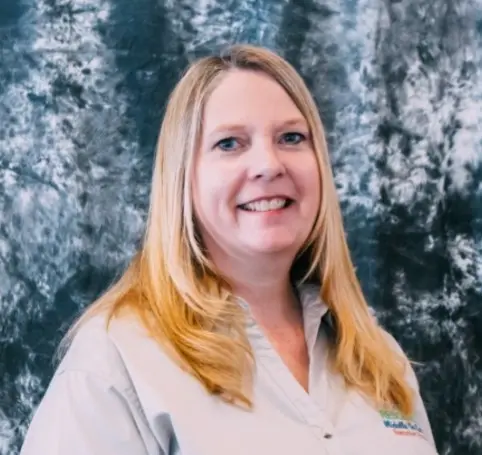
Michelle De La Riva
Executive Director
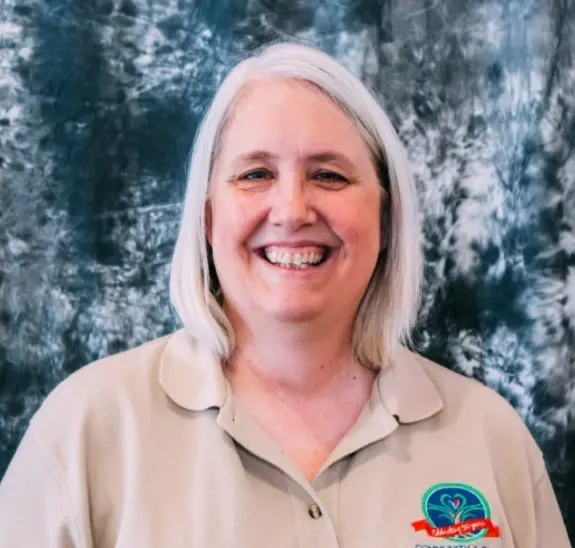
Pam Barkley
Finance Director
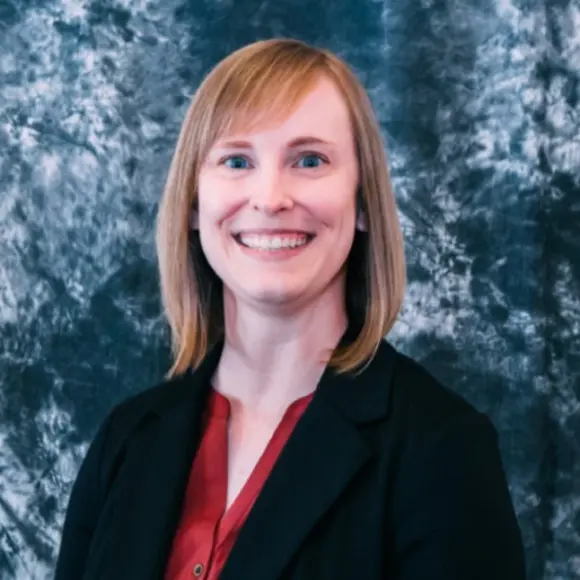
Sally Carnes
Operations Director
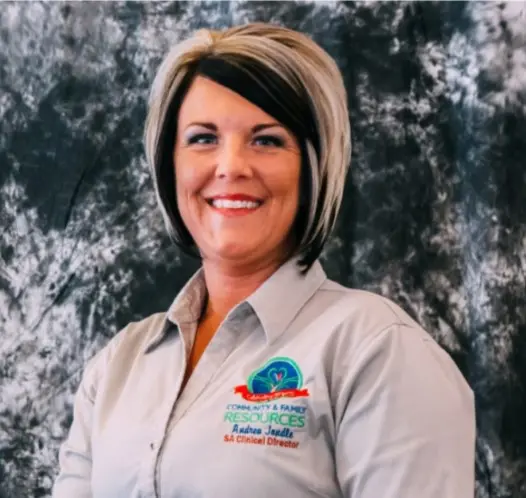
Andrea Jondle
Addiction Program Clinical Director
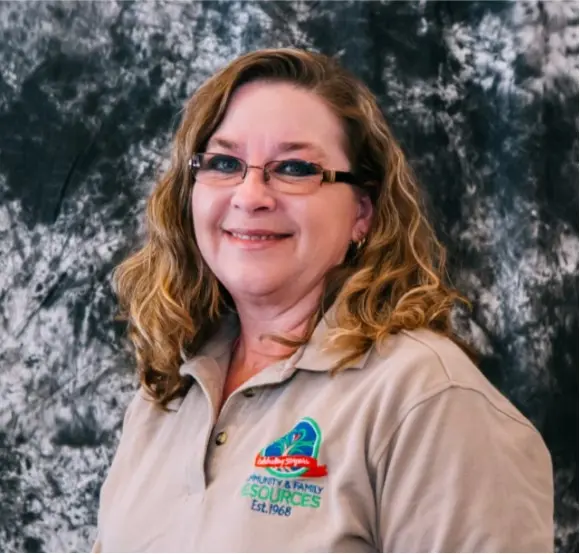
Cary Williams
Mental Health Clinical Director
Megan Schooler
Human Resources Director
Accreditations

The Commission on Accreditation of Rehabilitation Facilities (CARF) is a non-profit organization that specifically accredits rehab organizations. Founded in 1966, CARF's, mission is to help service providers like rehab facilities maintain high standards of care.
CARF Accreditation: Yes

The Substance Abuse and Mental Health Services Administration (SAMHSA) is a branch of the U.S. Department of Health and Human Services. Established in 1992 by congress, SAMHSA's mission is to reduce the impact of substance abuse and mental illness on American's communities.
SAMHSA Listed: Yes

State Licenses are permits issued by government agencies that allow rehab organizations to conduct business legally within a certain geographical area. Typically, the kind of program a rehab facility offers, along with its physical location, determines which licenses are required to operate legally.
State License: Iowa
Rehab.com regularly reviews this listing for accuracy but changes may occur between updates. For the most up-to-date information, please contact Community & Family Resources.
Contact Information

430 Southgate Avenue
Iowa City, IA 52240
Get Help Now - 319-214-9513
Sponsored Helpline
Sponsored Helpline


