

























































































About Recovery U
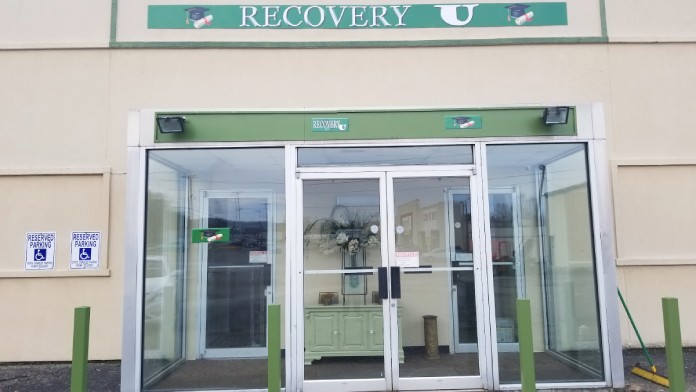
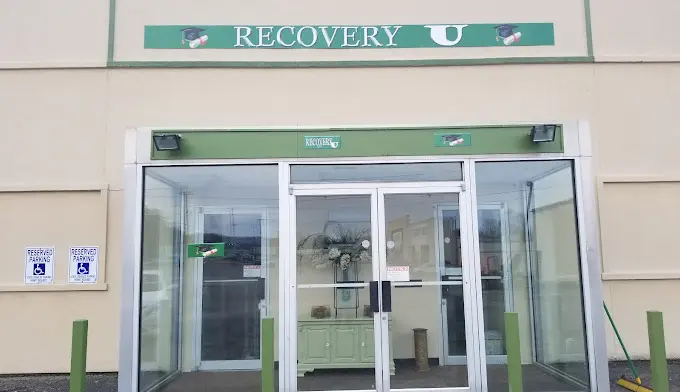
Recovery U was a men’s substance use treatment facility located in Cabin Creek, West Virginia serving adults navigating addiction and co-occurring mental health concerns.
The program offered a full continuum of care and 12-step programming.
Its mission centered on helping transitioning men build lasting recovery through structured, curriculum-based care in a distraction-free environment.
Residential Recovery for Men
Recovery U’s specialty was long-term residential treatment designed specifically for adult men working toward sustained sobriety.
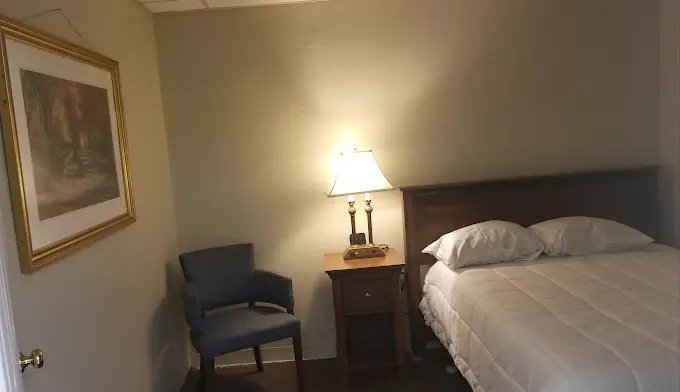
The program emphasized a curriculum-based structure that combined peer accountability, clinical support and a recovery-focused living environment away from outside triggers.
Treatment included cognitive behavioral therapy and 12-step programming, giving clients practical tools to address the patterns driving substance use.
They may have uncovered the root issues that led to addiction and worked on relapse prevention strategies to help them remain sober after treatment.
Integrated Behavioral Health and Medical Support
Beyond addiction treatment, Recovery U addressed co-occurring mental health issues as part of a holistic approach to recovery.
Clients had access to a primary care physician and a psychiatric registered nurse practitioner, supporting both medical stability and behavioral health needs throughout the treatment process.
Latest Reviews



Rehab Score
 Our Methodology


Gallery

Other Forms of Payment
Private insurance refers to any kind of healthcare coverage that isn't from the state or federal government. This includes individual and family plans offered by an employer or purchased from the Insurance Marketplace. Every plan will have different requirements and out of pocket costs so be sure to get the full details before you start treatment.
Self-pay involves paying for treatment out of your own pocket. You can use savings or credit, get a personal loan, or receive help from family and friends to fund your treatment. If you don't have insurance or your insurance plan doesn't cover a specific program, self-pay can help ensure you still get the care you need.
Addiction Treatments
Levels of Care
Outpatient rehabs support clients' long-term recovery through a robust continuum of care aligned with clients' evolving needs. Many programs feature transitional services for clients stepping down from intensive inpatient care. Ambulatory medical detox is also available in some outpatient facilities for clients at low risk for withdrawal complications. Outpatient treatment centers typically encompass multiple levels of care, including partial hospitalization (PHP), intensive outpatient (IOP), supportive housing, and standard outpatient programming.
Clients undergoing treatment at an inpatient rehab receive intensive clinical supervision and robust therapeutic support. Clients remain at the facility for the duration of their program, allowing them to focus on their recovery free of outside distractions, stressors, and triggers. Most inpatient programs offer addiction counseling as their primary treatment modality. This often includes group and family therapy in addition to individual counseling. Many centers also provide complementary therapies and recovery-focused life skills training.
Participants in 12 step programs receive ongoing peer support while cultivating recovery-focused life skills. They engage in frequent, sometimes daily, 12 step meetings, which are anonymous, free, peer-led, and available day and night in most communities. Self-selected sponsors offer one-on-one mentoring throughout the recovery journey. This model invokes spiritual principles to encourage self-awareness, forgiveness, accountability, and acceptance in persons pursuing recovery. Specialized formatting is common, including programs for teens, seniors, and family members.
If you have become physically dependent on drugs or alcohol, quitting abruptly can cause withdrawal symptoms like anxiety, headaches, flu-like symptoms, and more. In severe cases, these withdrawal symptoms can even be dangerous. In medically assisted detox, a team of licensed professionals will monitor your vitals, provide medication if needed, and help keep you as safe and comfortable as possible during this process.
Clinical Services
People in West Virginia seeking drug and alcohol addiction treatment usually undergo one on one individual therapy. This gives you a safe and supportive environment to explore issues with substance use and any co occurring mental health conditions. Your therapist offers individualized support to help you build resilience and work toward achieving long term sobriety.
Within a group therapy session, men and women in West Virginia can see successful recovery behaviors modeled by their peers. This provides inspiration and practical examples of coping skills that manage addiction in the community. Ultimately, this promotes sobriety and helps you attain sustainable recovery.

