Federal survey data released in late July show that drinking, smoking and illicit drug use all fell among Americans aged 12 to 25, while cannabis and nicotine vaping moved in the opposite direction.
For anyone weighing rehab centers right now, the practical takeaway is that the substance most likely to bring a young person into care is shifting.
The Substance Abuse and Mental Health Services Administration released the findings from its annual national survey on drug use and health, which examined substance use and mental health among 12-to-17-year-olds and 18-to-25-year-olds during 2025. ABC News reported the results and interviewed public health researchers about what is driving them.
What the SAMHSA Survey Found
Among 12-to-17-year-olds, the survey recorded declines in past-month tobacco use, alcohol use and binge drinking, along with a drop in past-year illicit drug use.
The picture for 18-to-25-year-olds was similar and somewhat broader. That group showed declines in past-month use of nicotine products, tobacco, cigarettes, alcohol and binge drinking.
Past-year use of illicit drugs and of prescription stimulants or opioids also fell. Taken together, the numbers continue a long-running trend rather than marking a sudden break.
Why Researchers Think Use Is Falling
Daniel Kruger, a research associate professor at University at Buffalo, State University of New York, told ABC News that younger cohorts are simply taking fewer risks across the board, including crime, dangerous driving and unprotected sex. Less risk-taking has come with less substance use.
Kruger pointed to a longer runway into adulthood as one factor. Young people are driving later and moving out later, which keeps them in their parents’ orbit for more of adolescence.
He also noted that more time online and more supervised time leaves fewer of the unstructured, unsupervised hours when substance use has typically happened.
Public health messaging appears to matter too. Kruger said basic information about the risks and harms of these substances, rather than dramatic scare-based programming, seems to be making progress.
Denise Hien, a distinguished professor at Rutgers Graduate School of Applied and Professional Psychology and director of the Rutgers Center of Alcohol and Substance Use Studies, told ABC News that adults are absorbing the same messaging and cutting back, and that younger people are following. She described familial and public health influences filtering down to youth.
Where Use Is Still Climbing
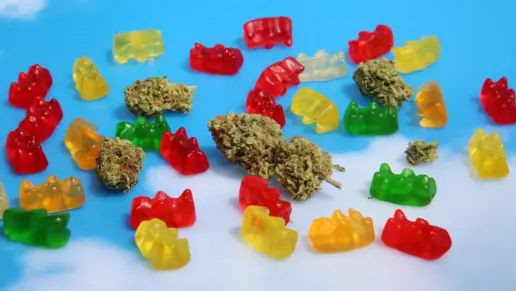
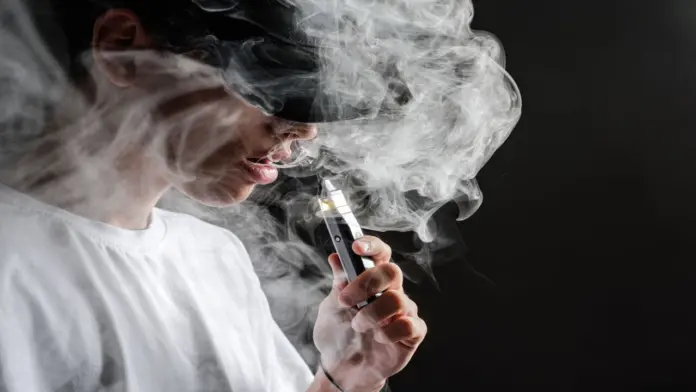
The declines are not universal. Hien said the trends are shifting toward higher vaping and higher cannabis use, describing what may amount to a substitution.
The survey found that past-year marijuana use among people aged 12 and older rose from 19% in 2021 to 21.2% in the most recent survey year. Past-month nicotine vaping in the same age group rose from 8.3% in 2022 to 10.1% in 2025.
Anti-vaping advocates have argued that e-cigarettes in flavors appealing to young people have pushed those numbers up, and more states have legalized recreational marijuana, widening availability.
Hien attributed part of the shift to perception. Young people may view alcohol and nicotine as dangerous while seeing cannabis and vaping as comparatively harmless.
What This Means for Treatment Seekers
If you are researching addiction treatment for a young person, the substance in question is less likely to be alcohol than it would have been a decade ago and more likely to involve cannabis or nicotine.
That affects which programs are a good fit, since not every facility has meaningful experience with cannabis use disorder or nicotine dependence in adolescents.
It also affects timing. Falling alcohol and illicit drug numbers can make a family slower to recognize a problem that is real but looks different from what they expected.
Asking a program directly about its experience with the specific substance involved, and about adolescent-specific programming, is worth doing early in the search.
Finding the Right Rehab
Comparing options is easier with a short list of questions. Ask which levels of care a facility offers, whether it runs a distinct adolescent or young adult track, how families are included, and how the program handles co-occurring anxiety or depression alongside substance use.
Verify licensing and accreditation, and confirm what your plan covers before admission rather than after. Rehab.com’s directory includes verified treatment centers you can filter by location, level of care and insurance accepted.
Comparing several programs side by side, and speaking with a treatment advisor about the specific substance involved, gives you a clearer picture than any single listing can. Call
800-985-8516
(  Sponsored Helpline )
to get connected to treatment today.
Sponsored Helpline )
to get connected to treatment today.