Get Help Now
Question iconSponsored Helpline

Phone icon 800-784-1361
Claim Profile

San Marcos Treatment Center

120 Bert Brown Street
San Marcos, TX 78666
Claim Profile
San Marcos Treatment Center TX 78666

About San Marcos Treatment Center

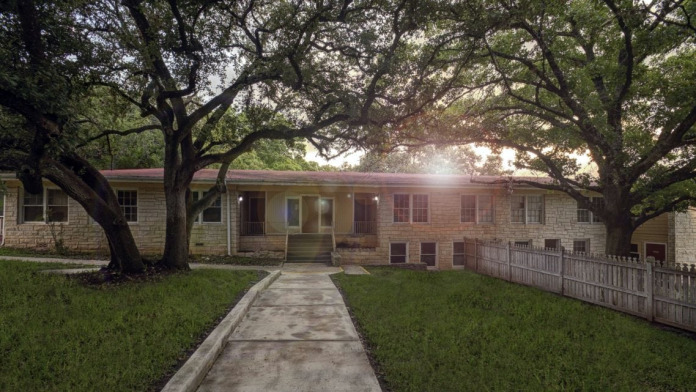
The location has several trails for you to walk on while you recover. They also have activities that help with recovery that they call ROPES. It stands for reality oriented physical experimental services. It’s meant to help residents grow together while they go through the program together. You’ll learn new ways to cope and come up with your own goals that you want to get done while in therapy.

This place is very communal. They offer several things that bring people together. They have crafts and games as well as group outings. They also throw special events like super bowl parties and other holiday celebrations. Another nice amenity with this place is that they have a swimming pool to use.

The downside is that many people have felt like this place was a baby sitting center more than a treatment center.

Similar Rehab Centers

Fact checked and written by:
David Bugg
Edited by:
Kerry Nenn, BSW

Facility Overview

Bed icon 212
Number of Available Beds

Latest Reviews

Naomi Watley
1 week ago on Google
1
Thing are going on there that is no okay for people to see sand say becuase when I went there and I was 12 and I was there for 7 months and it was not that great there was hit and push and hold and people had to get shot when they would not calm down and that scares mw because they tear up your suff went they are upset and that id why you should not send you kids there DO NOT SEND YOU KIDES THERE
Gretchen Barlow
1 week ago on Google
3
I’m in the middle, I’ve had good experiences and bad. I’ve had two kids at this particular treatment center, boy and a girl. So this is a long review. My son: When he first got to the treatment center I felt like the in-person admission process was a little rushed and in our face, like they were in a hurry to scurry on away with him. He was nervous and we were pretty apprehensive to begin with. Once he was admitted the communication sucked. We got a good first impression from the receptionist in the admission building, and that building itself wasn’t too bad. We all liked the campus and how there is plenty of wildlife on it. -on his unit there were two nurses that were fabulous, did their jobs and communicated well, I feel as though they deserve recognition for that RN Curtis, and RN Arnason, they really showed they cared about the kids and their well being and were good at communicating back and forth with a parent. -his unit staff were sort of too easy on the kids, didn’t really appear to have the same standards across the board, some ask for MR numbers some didn’t. They wouldn’t relay that you called or sort of encourage the child to call, if I didn’t call and haunt them I probably would have never spoken with him, other than family therapy. My feedback on this would to work on communication skills and consistency. -he had an amazing therapist that worked really well with him, we really liked working with her.The Therapists and Nurses don’t get enough credit. - I wouldn’t send your child with things that aren’t necessary, they will get lost or broken or stolen. I wouldn’t send suggest buying cheap fidget toys, coloring books or card games. Things you won’t miss if they come up missing. I wouldn’t send your child with expensive clothing either, it will get ripped torn or stained or also go missing. This isn’t the staffs fault it just happens. -there was an instance where they x-rayed my sons wrist several times like 3 or 4 because he punched a wall, and they couldn’t get a clear image, that sounded like that was more of an issue with the company they used rather than the treatment center staff themselves. Over all my son left the unit with much better coping skills and understanding, he is now regulated on his medication regimen, he got an IEP I had struggled getting for him while he was at KI charter school, he received the speech therapy he had needed for a while and couldn’t get into back home due to the insane waiting lists. I thank everybody that worked with Gabe for helping him on this journey, it means alot to his whole family. Now on to my daughter: - if you have a daughter I would really think this through thoroughly, I feel like I caused for damage to her personally by deciding to send her, as it turned out to really not be a good fit for her. The units for the girls are VERY LOUD and chaotic, with frequent behaviors you can hear going on in the background and they are very hectic. My daughter became very overwhelmed and more anxious being there. She does have a great therapist that she likes, she enjoys some of the staff on the unit. The staff that answer the phone on her unit are usually very friendly and sound happy (whether they are or not) . They always have her return my phone call and relay that we called her. Which we really appreciate. She enjoys some of the activities they do on the unit, and off the unit that they get to participate in. She is also doing much better in school while she has been down there. They do get more 1:1 attentions in school.
Response from the owner1 week ago
Thank you for taking the time to leave us these kind comments. We'd like to learn more about any concerns you may have. At your convenience, please provide us with your contact information by visiting https://sanmarcostc.com/contact-us/. We hope to hear from you soon.
alisha hubbard
1 week ago on Google
3
Can you write letters to someone thats a patient in the facility?
Response from the owner1 week ago
Thank you for taking the time to reach out to us. We take your comments very seriously and would like to learn more about your concerns. So that we can better assist you, please provide us with your loved one’s full name and location in our facility by visiting https://sanmarcostc.com/contact-us/. Again, thank you. We hope to hear from you soon.
Rehab.com icon

Rehab Score

Question iconOur Methodology
Scoring is assigned by a proprietary system which helps surface key metrics that determine quality. The 10-point scale factors in categories such as operations, customer satisfaction, and trust metrics. Read Full MethodologyCaret icon
Gauge icon
6.5 / 10

Accepted Insurance

Please contact to verify your specific insurance provider.

San Marcos Treatment Center works with several private insurance providers, please contact to verify your specific insurance provider.

Other Forms of Payment

Medicaid is a state based program that helps lower-income individuals and families pay for healthcare. Medicaid covers addiction treatment so those enrolled can use their coverage to pay for rehab. When a program accepts Medicaid the client often pays very little or nothing out of their own pocket.

Private insurance refers to any kind of healthcare coverage that isn't from the state or federal government. This includes individual and family plans offered by an employer or purchased from the Insurance Marketplace. Every plan will have different requirements and out of pocket costs so be sure to get the full details before you start treatment.

Self-pay involves paying for treatment out of your own pocket. You can use savings or credit, get a personal loan, or receive help from family and friends to fund your treatment. If you don't have insurance or your insurance plan doesn't cover a specific program, self-pay can help ensure you still get the care you need.

Financial aid can take many forms. Centers may have grants or scholarships available to clients who meet eligibility requirements. Programs that receive SAMHSA grants may have financial aid available for those who need treatment as well. Grants and scholarships can help you pai for treatment without having to repay.

Military members, veterans, and eligible dependents have access to specific insurance programs that help them get the care they need. TRICARE and VA insurance can help you access low cost or no cost addiction and mental health treatment. Programs that accept military insurance often have targeted treatment focused on the unique challenges military members, veterans, and their families face.

Private insurance refers to any kind of healthcare coverage that isn't from the state or federal government. This includes individual and family plans offered by an employer or purchased from the Insurance Marketplace. Every plan will have different requirements and out of pocket costs so be sure to get the full details before you start treatment.

Addiction Treatments

Levels of Care

Residential treatment programs are those that offer housing and meals in addition to substance abuse treatment. Rehab facilities that offer residential treatment allow patients to focus solely on recovery, in an environment totally separate from their lives. Some rehab centers specialize in short-term residential treatment (a few days to a week or two), while others solely provide treatment on a long-term basis (several weeks to months). Some offer both, and tailor treatment to the patient's individual requirements.

24-hour clinical care in Texas provides a safe environment for medical detox. This setting is crucial to provide medical care during withdrawal. Certain withdrawal symptoms can cause life-threatening conditions, but patients in a supervised clinical setting have treatment readily available to address any symptoms before they become severe. Treatment can also be provided for co-occurring physical and mental health issues.

Treatments

Many of those suffering from addiction also suffer from mental or emotional illnesses like schizophrenia, bipolar disorder, depression, or anxiety disorders. Rehab and other substance abuse facilities treating those with a dual diagnosis or co-occurring disorder administer psychiatric treatment to address the person's mental health issue in addition to drug and alcohol rehabilitation.

Mental health rehabs focus on helping individuals recover from mental illnesses like bipolar disorder, clinical depression, anxiety disorders, schizophrenia, and more. Mental health professionals at these facilities are trained to understand and treat mental health issues, both in individual and group settings.

Alcoholism occurs when a person becomes physically and psychologically dependent on alcohol. Attending a professional alcohol rehab in Texas can provide customized intervention methods to address the physical, mental, and relational challenges of addiction.

During rehab in Texas, you'll deal with underlying issues that contribute to addiction. By addressing these challenges and learning healthy ways to cope with them, you'll develop strategies that help you live a drug-free lifestyle.

mental-health iconMental Health And Substance Abuse
opium iconOpioid Addiction

Substance abuse treatment is available in Texas for anyone who's struggling with drug or alcohol addiction. These programs usually provide a comprehensive assessment and individualized treatment plan, and include evidence-based treatments, like therapies such as cognitive-behavioral therapy (CBT) to reframe unhelpful coping strategies, and dialectical behavior therapy (DBT) to help with emotional regulation and stress.

Programs

The providers who specialize in the children's rehab space understand the specialized needs that this population faces. School-based and social services such as tutoring and family counseling are often central to treatment. Child programs may also address the needs of youth experiencing substance abuse in the home, including a parent's or sibling's addiction.

Serving in the military is both mentally and physically challenging, and can result in trauma that persists even after combat ends. Military programs are tailored to the specific and often complex needs of active duty personnel, veterans, and military families. Clients often access these programs through the U.S. Department of Veterans Affairs (VA).

Clinical Services

Cognitive Behavioral Therapy (CBT) is a therapy modality that focuses on the relationship between one's thoughts, feelings, and behaviors. It is used to establish and allow for healthy responses to thoughts and feelings (instead of unhealthy responses, like using drugs or alcohol). CBT has been proven effective for recovering addicts of all kinds, and is used to strengthen a patient's own self-awareness and ability to self-regulate. CBT allows individuals to monitor their own emotional state, become more adept at communicating with others, and manage stress without needing to engage in substance abuse.

Whether a marriage or other committed relationship, an intimate partnership is one of the most important aspects of a person's life. Drug and alcohol addiction affects both members of a couple in deep and meaningful ways, as does rehab and recovery. Couples therapy and other couples-focused treatment programs are significant parts of exploring triggers of addiction, as well as learning how to build healthy patterns to support ongoing sobriety.

Dialectical Behavior Therapy (DBT) is a modified form of Cognitive Behavioral Therapy (CBT), a treatment designed to help people understand and ultimately affect the relationship between their thoughts, feelings, and behaviors. DBT is often used for individuals who struggle with self-harm behaviors, such as self-mutilation (cutting) and suicidal thoughts, urges, or attempts. It has been proven clinically effective for those who struggle with out-of-control emotions and mental health illnesses like Borderline Personality Disorder.

Eating disorders include anorexia, bulimia, binge eating, and dysfunctional eating patterns. Many psychologists and other mental health professionals consider eating disorders to be food addictions, meaning food is being used in an addictive way (similar to drug or alcohol addiction). Certain substance abuse treatment programs will have treatment for eating disorders as one of the services offered. An eating disorder may also present as a co-occuring disorder or dual diagnosis alongside drug and alcohol addiction.

Experiential therapy is a form of therapy in which clients are encouraged to surface and work through subconscious issues by engaging in real-time experiences. Experiential therapy departs from traditional talk therapy by involving the body, and having clients engage in activities, movements, and physical and emotional expression. This can involve role-play or using props (which can include other people). Experiential therapy can help people process trauma, memories, and emotion quickly, deeply, and in a lasting fashion, leading to substantial and impactful healing.

Research clearly demonstrates that recovery is far more successful and sustainable when loved ones like family members participate in rehab and substance abuse treatment. Genetic factors may be at play when it comes to drug and alcohol addiction, as well as mental health issues. Family dynamics often play a critical role in addiction triggers, and if properly educated, family members can be a strong source of support when it comes to rehabilitation.

Group therapy is any therapeutic work that happens in a group (not one-on-one). There are a number of different group therapy modalities, including support groups, experiential therapy, psycho-education, and more. Group therapy involves treatment as well as processing interaction between group members.

In individual therapy, a patient meets one-on-one with a trained psychologist or counselor. Therapy is a pivotal part of effective substance abuse treatment, as it often covers root causes of addiction, including challenges faced by the patient in their social, family, and work/school life.

Trauma therapy addresses traumatic incidents from a client's past that are likely affecting their present-day experience. Trauma is often one of the primary triggers and potential causes of addiction, and can stem from child sexual abuse, domestic violence, having a parent with a mental illness, losing one or both parents at a young age, teenage or adult sexual assault, or any number of other factors. The purpose of trauma therapy is to allow a patient to process trauma and move through and past it, with the help of trained and compassionate mental health professionals.

Addiction recovery treatment in Texas will offer recreational therapy in a holistic approach to treatment. Therapy incorporates enjoyable activities that support your physical and mental health, such as team sports, creative arts, or individual sports. This activity gives you an emotional outlet, reduces your stress, and improves your mood, each of which promotes long term sobriety.

Amenities

  • home-setting iconResidential Setting

Staff & Accreditations

Staff

Andrew Herod

CEO

Gregory Wysocki, CPA

CFO

Shephali Sharma, M.D.

Executive Medical Director

John Rust, M.D.

Unit Medical Director

Winston Chieza, MHSN, BSN, RN

Director of Nursing

Ragan Aaron, LPC-S, RPT-S, CCTP

Director of Clinical Services

Sean Garner, LPC, RPT

Director of Clinical Programming

Bari Roberts

Director of Admissions

Sherri Gonzalez, MBA

Director of Business Development

Accreditations

The Joint Commission, formerly known as JCAHO, is a nonprofit organization that accredits rehab organizations and programs. Founded in 1951, the Joint Commision's mission is to improve the quality of patient care and demonstrating the quality of patient care.

Joint Commission Accreditation: Yes

Contact Information

Building icon

120 Bert Brown Street
San Marcos, TX 78666

Explore Other Centers Near San Marcos

Reviews of San Marcos Treatment Center

2.65/5 (170 reviews)
0
Staff
0
Amenities
0
Meals
0
Value
0
Cleanliness
5
47
4
20
3
15
2
7
1
83

Reviews

4

This isn't the best place,but i can actually say i got help from here.it takes a while to realize there is no way to cheat this system.the only way you leave is if you actually do the work.throughout my time,i saw kids leave within a month,some even took years to realize thi ... Read More

Reviewed on 2/17/2019
1

This place is dangerous the staff will actually increase your child’s diagnosis by the way they treat them they yell and curse at them the upper management does absolutely nothing to To the staff that are missed treating the kids. My son was held and restrained by a staff ... Read More

Reviewed on 11/19/2018
Overall Experience
Date Submitted
Reviewer

Google Reviews

2.6547619047619 (168 reviews)
Naomi Watley
1 week ago
1

Thing are going on there that is no okay for people to see sand say becuase when I went there and I was 12 and I was there for 7 months and it was not that great there was hit and push and hold and people had to get shot when they would not calm down and that scares mw because they tear up your suff went they are upset and that id why you should not send you kids there DO NOT SEND YOU KIDES THERE

Gretchen Barlow
1 week ago
3

I’m in the middle, I’ve had good experiences and bad. I’ve had two kids at this particular treatment center, boy and a girl. So this is a long review. My son: When he first got to the treatment center I felt like the in-person admission process was a little rushed and in our face, like they were in a hurry to scurry on away with him. He was nervous and we were pretty apprehensive to begin with. Once he was admitted the communication sucked. We got a good first impression from the receptionist in the admission building, and that building itself wasn’t too bad. We all liked the campus and how there is plenty of wildlife on it. -on his unit there were two nurses that were fabulous, did their jobs and communicated well, I feel as though they deserve recognition for that RN Curtis, and RN Arnason, they really showed they cared about the kids and their well being and were good at communicating back and forth with a parent. -his unit staff were sort of too easy on the kids, didn’t really appear to have the same standards across the board, some ask for MR numbers some didn’t. They wouldn’t relay that you called or sort of encourage the child to call, if I didn’t call and haunt them I probably would have never spoken with him, other than family therapy. My feedback on this would to work on communication skills and consistency. -he had an amazing therapist that worked really well with him, we really liked working with her.The Therapists and Nurses don’t get enough credit. - I wouldn’t send your child with things that aren’t necessary, they will get lost or broken or stolen. I wouldn’t send suggest buying cheap fidget toys, coloring books or card games. Things you won’t miss if they come up missing. I wouldn’t send your child with expensive clothing either, it will get ripped torn or stained or also go missing. This isn’t the staffs fault it just happens. -there was an instance where they x-rayed my sons wrist several times like 3 or 4 because he punched a wall, and they couldn’t get a clear image, that sounded like that was more of an issue with the company they used rather than the treatment center staff themselves. Over all my son left the unit with much better coping skills and understanding, he is now regulated on his medication regimen, he got an IEP I had struggled getting for him while he was at KI charter school, he received the speech therapy he had needed for a while and couldn’t get into back home due to the insane waiting lists. I thank everybody that worked with Gabe for helping him on this journey, it means alot to his whole family. Now on to my daughter: - if you have a daughter I would really think this through thoroughly, I feel like I caused for damage to her personally by deciding to send her, as it turned out to really not be a good fit for her. The units for the girls are VERY LOUD and chaotic, with frequent behaviors you can hear going on in the background and they are very hectic. My daughter became very overwhelmed and more anxious being there. She does have a great therapist that she likes, she enjoys some of the staff on the unit. The staff that answer the phone on her unit are usually very friendly and sound happy (whether they are or not) . They always have her return my phone call and relay that we called her. Which we really appreciate. She enjoys some of the activities they do on the unit, and off the unit that they get to participate in. She is also doing much better in school while she has been down there. They do get more 1:1 attentions in school.

Response from the owner
Thank you for taking the time to leave us these kind comments. We'd like to learn more about any concerns you may have. At your convenience, please provide us with your contact information by visiting https://sanmarcostc.com/contact-us/. We hope to hear from you soon.
alisha hubbard
1 week ago
3

Can you write letters to someone thats a patient in the facility?

Response from the owner
Thank you for taking the time to reach out to us. We take your comments very seriously and would like to learn more about your concerns. So that we can better assist you, please provide us with your loved one’s full name and location in our facility by visiting https://sanmarcostc.com/contact-us/. Again, thank you. We hope to hear from you soon.
Frank B
1 week ago
1

Has anyone filed a civil lawsuit for neglect and or abuse? If so which attorney did you use? We've just been alerted to the assault allegations of Mr. Lopez via DFPS and hope patient Ramos's parents get him out of there quickly as we did our child.

Overall Experience
Date Submitted
No reviews matching the selected filter!
Get Help Now
Question iconSponsored Helpline

Phone icon 800-784-1361

Left arrow iconBack

Write a review for San Marcos Treatment Center

Sharing your insights and experiences can help others learn more about this rehab center.

Title of Your Review
This is a required field
Your Review

Reviews comments must comply with our Review Policy Content Standards. Please do not use names (job titles / positions are acceptable) of any individual or identifying features, abusive remarks, or allegations of negligence or criminal activity.

A minimum of 200 characters and max of 2,000 characters required.
This is a required field
How would you rate the facility on the following?*
Overall Experience
Must select a star rating
Accomodations & Amenities
Must select a star rating
Meals & Nutrition
N/A
Must select a star rating
Treatment Effectiveness
Must select a star rating
Admissions Process
Must select a star rating
Staff & Friendliness
Must select a star rating
Cleanliness
Must select a star rating
Value for Cost
Must select a star rating
What is your connection to this facility?
This is a required field
Your Name*
This is a required field
Your Email*
This is a required field
Spinner icon Submitting your review...
Thumbs up icon Your review was successfully submitted.

Nearby Featured Providers

Get Help Today Phone icon 800-823-7153
Question iconSponsored Helpline