




















































































































NEVER send anyone you love or care about to this despicable place! They don’t care about your health or well being to them it’s all about the money, Stay as far away from any of the Highpoint locations as you can get.................
About High Point Treatment Center
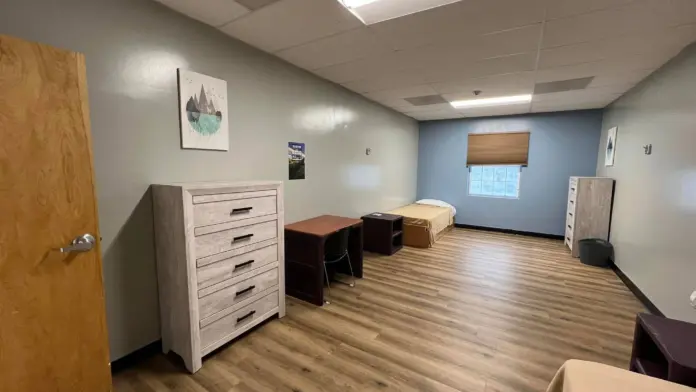
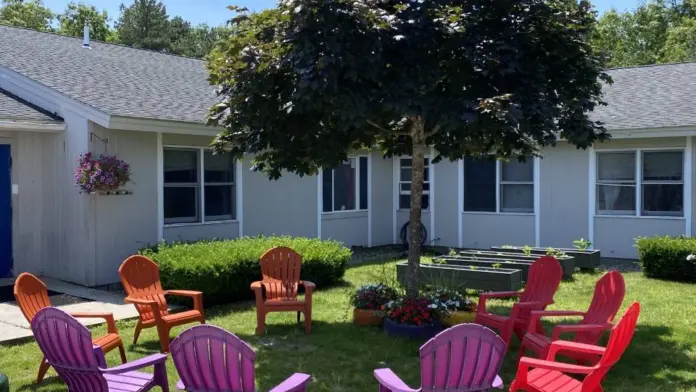
High Point Treatment Center’s Plymouth Campus provides inpatient substance use disorder and mental health treatment in a private, lakeside setting in Plymouth, Massachusetts. Southeastern Massachusetts has seen progress in recent years — the state recorded 1,333 drug-related deaths in 2025, a 16.5% decline from the prior year according to CDC data — yet demand for structured, medically supervised care remains significant. High Point Treatment Center has served the region since 1996 and holds Joint Commission accreditation (No. 1483).
Medical Detox and Clinical Stabilization
The Plymouth Campus operates two inpatient units. The Acute Treatment Services (ATS) unit offers physician-directed medical detoxification for men and women, with 24-hour nursing care and safe, monitored withdrawal from alcohol and other drugs. Following detox, the Clinical Stabilization Services (CSS) unit provides a structured residential step-down environment focused on psychoeducational groups, relapse prevention skills, and healthy coping strategies. Average length of stay across both units is 15 to 30 days.
Medication-Assisted Treatment and Dual Diagnosis Care
High Point Treatment Center’s Plymouth Campus offers medication-assisted treatment using FDA-approved medications including methadone, buprenorphine, and naltrexone, administered under physician supervision. A specialized dual diagnosis unit combines detoxification with psychiatric stabilization for adults managing a co-occurring mental health condition alongside a substance use disorder. The Inpatient Psychiatric Unit (IPU) provides acute mental health services, medication management, and discharge planning to help patients transition back into the community.
Therapies and Support
Clinical services at High Point Treatment Center’s Plymouth Campus include individual counseling, group therapy, family therapy, trauma therapy, experiential therapy, life skills training, and couples counseling. Patients attend daily in-house AA and NA support meetings and work with clinicians on aftercare planning. Family members are encouraged to participate through educational programming designed to support recovery at home.
Getting Started
High Point Treatment Center accepts Medicaid, Medicare, military insurance, and a range of private insurance plans including Blue Cross Blue Shield, Aetna, UnitedHealth Group, Cigna, Humana, Tufts Health, and Harvard Pilgrim Health Care. Sliding scale payment assistance and financial aid are also available.
Fact checked and written by:
Patti Croft, MBA
Edited by:
Kerry Nenn, BSW
Facility Overview
 15 - 30
 Avg Length of Stay in Days
Latest Reviews
I met kind people and the staff were great to me. Give respect and get respect. Plus you can smoke here.
I just left didn’t last 4 hours, very kind nurse. But various certain rude staff. I run a big company I hope your demeanor changes just because sitting behind that little glass doesn’t allow you treat people a certain way. I hope you guys have many blessings
Just wanted to take a min or 2 outta my Sunday afternoon to let ppl know wat a life saving program hptc Plymouth is,in Aug 21,I had just entered prgm for 7 th time in last 2.5 months,every time I left AMA,they wud allow me back wen I called looking for a bed,never judging me and allowing me my process,I was sick as a dawg and totally defeated, there was a beautiful pregnant nurse there that touched my heart,even tho I was physically unable to go stand up in med line,cuz I physically cud not get out of my bed,time after time she wud come to my room to dose me,it was my 4 th day there and w/d’s were peaking,I hadn’t ate in 4 days and that nurse and the staff ,thru their compassion gave me a slight glimmer of hope, after a positive covid test I was quarantined to a room for 10 days and at that point I knew if I left again I wuda been screwed so I stayed til the miracle happened,not only did I make it thru w/ds ,I got thru the covid virus and made it the 10 days,not long after clinician got me placed into halfway house in east bos and I haven’t looked back since that day,for sum reason I will always remember that pregant nurse caring enuff with her compassion and understanding and at that point I set forth a path of recovery and once again becoming a productive member of society,and most importantly a father to my loving son ty hptc and all of there workers who assist in making miracle everyday

Rehab Score
 Our Methodology
Scoring is assigned by a proprietary system which helps surface key metrics that determine quality. The 10-point scale factors in categories such as operations, customer satisfaction, and trust metrics. Read Full Methodology

7.2 / 10
Gallery
Accepted Insurance
Other Forms of Payment
Medicaid is a state based program that helps lower-income individuals and families pay for healthcare. Medicaid covers addiction treatment so those enrolled can use their coverage to pay for rehab. When a program accepts Medicaid the client often pays very little or nothing out of their own pocket.
Private insurance refers to any kind of healthcare coverage that isn't from the state or federal government. This includes individual and family plans offered by an employer or purchased from the Insurance Marketplace. Every plan will have different requirements and out of pocket costs so be sure to get the full details before you start treatment.
Self-pay involves paying for treatment out of your own pocket. You can use savings or credit, get a personal loan, or receive help from family and friends to fund your treatment. If you don't have insurance or your insurance plan doesn't cover a specific program, self-pay can help ensure you still get the care you need.
Financial aid can take many forms. Centers may have grants or scholarships available to clients who meet eligibility requirements. Programs that receive SAMHSA grants may have financial aid available for those who need treatment as well. Grants and scholarships can help you pai for treatment without having to repay.
Military members, veterans, and eligible dependents have access to specific insurance programs that help them get the care they need. TRICARE and VA insurance can help you access low cost or no cost addiction and mental health treatment. Programs that accept military insurance often have targeted treatment focused on the unique challenges military members, veterans, and their families face.
Medicare is a federal program that provides health insurance for those 65 and older. It also serves people under 65 with chronic and disabling health challenges. To use Medicare for addiction treatment you need to find a program that accepts Medicare and is in network with your plan. Out of pocket costs and preauthorization requirements vary, so always check with your provider.
Sliding scale payments are based on a client's income and family size. The goal is to make treatment affordable to everyone. By taking these factors into account, addiction recovery care providers help ensure that your treatment does not become a financial burden to you or your family, eliminating one barrier to care.
Addiction Treatments
Levels of Care
Services include substance abuse counseling, group therapy, mental health counseling, psychiatric evaluations, family treatment, and medication management. Staff specializes in opiate addiction treatment from Suboxone induction progressing to a substance-free recovery lifestyle. Linkages to other levels of care are initiated as needed.
The Inpatient Psychiatric Unit (IPU) offers acute inpatient mental health services to stabilize patients experiencing an acute psychiatric episode or exacerbation of chronic conditions. Services include medication management, individual and group therapy, family support, multi-disciplinary treatment, and aftercare planning to assist patients' transition back into the community. Detoxification treatment provided, if necessary.
Treatments
The goal of treatment for alcoholism is abstinence. Those with poor social support, poor motivation, or psychiatric disorders tend to relapse within a few years of treatment. For these people, success is measured by longer periods of abstinence, reduced use of alcohol, better health, and improved social functioning. Recovery and Maintenance are usually based on 12 step programs and AA meetings.
Addiction is a highly complex problem, and drug rehab in Massachusetts is often necessary to address it. These programs treat physical, mental, and relational issues that are involved. Treatment empowers individuals to manage these issues without the use of drugs.
They provide a specialized unit for adults with a co-occurring psychiatric disorder and substance abuse/dependence diagnosis. The unit combines detoxification and stabilization of the psychiatric illness to successfully treat and transition patients back into the community. Treatment protocol includes group and individual counseling, family support and education, self-help education programs, and aftercare planning. Patients also attend daily in-house commitment (AA/NA) groups.
A combined mental health and substance abuse rehab has the staff and resources available to handle individuals with both mental health and substance abuse issues. It can be challenging to determine where a specific symptom stems from (a mental health issue or an issue related to substance abuse), so mental health and substance abuse professionals are helpful in detangling symptoms and keeping treatment on track.
Opioid rehabs specialize in supporting those recovering from opioid addiction. They treat those suffering from addiction to illegal opioids like heroin, as well as prescription drugs like oxycodone. These centers typically combine both physical as well as mental and emotional support to help stop addiction. Physical support often includes medical detox and subsequent medical support (including medication), and mental support includes in-depth therapy to address the underlying causes of addiction.
Programs
Adult rehab programs include therapies tailored to each client's specific needs, goals, and recovery progress. They are tailored to the specific challenges adult clients may face, including family and work pressures and commitments. From inpatient and residential treatment to various levels of outpatient services, there are many options available. Some facilities also help adults work through co-occurring conditions, like anxiety, that can accompany addiction.
Young adulthood can be an exciting, yet difficult, time of transition. Individuals in their late teens to mid-20s face unique stressors related to school, jobs, families, and social circles, which can lead to a rise in substance use. Rehab centers with dedicated young adult programs will include activities and amenities that cater to this age group, with an emphasis on specialized counseling, peer socialization, and ongoing aftercare.
Clinical Services
Whether a marriage or other committed relationship, an intimate partnership is one of the most important aspects of a person's life. Drug and alcohol addiction affects both members of a couple in deep and meaningful ways, as does rehab and recovery. Couples therapy and other couples-focused treatment programs are significant parts of exploring triggers of addiction, as well as learning how to build healthy patterns to support ongoing sobriety.
Experiential therapy is a form of therapy in which clients are encouraged to surface and work through subconscious issues by engaging in real-time experiences. Experiential therapy departs from traditional talk therapy by involving the body, and having clients engage in activities, movements, and physical and emotional expression. This can involve role-play or using props (which can include other people). Experiential therapy can help people process trauma, memories, and emotion quickly, deeply, and in a lasting fashion, leading to substantial and impactful healing.
Research clearly demonstrates that recovery is far more successful and sustainable when loved ones like family members participate in rehab and substance abuse treatment. Genetic factors may be at play when it comes to drug and alcohol addiction, as well as mental health issues. Family dynamics often play a critical role in addiction triggers, and if properly educated, family members can be a strong source of support when it comes to rehabilitation.
Group therapy is any therapeutic work that happens in a group (not one-on-one). There are a number of different group therapy modalities, including support groups, experiential therapy, psycho-education, and more. Group therapy involves treatment as well as processing interaction between group members.
In individual therapy, a patient meets one-on-one with a trained psychologist or counselor. Therapy is a pivotal part of effective substance abuse treatment, as it often covers root causes of addiction, including challenges faced by the patient in their social, family, and work/school life.
Life skills trainings involve all the skills a person must have in order to function successfully in the world. These include time management, career guidance, money management, and effective communication. Truly successful addiction recovery is based on the ability to not only live substance-free, but to thrive. Life skills teaches the practical necessities of functioning in society, which sets clients up for success in life, and therefore sobriety.
Nicotine Replacement Therapy (NRT) is a way of getting nicotine into the bloodstream without smoking. It uses products that supply low doses of nicotine to help people stop smoking. The goal of therapy is to cut down on cravings for nicotine and ease the symptoms of nicotine withdrawal.
Trauma therapy addresses traumatic incidents from a client's past that are likely affecting their present-day experience. Trauma is often one of the primary triggers and potential causes of addiction, and can stem from child sexual abuse, domestic violence, having a parent with a mental illness, losing one or both parents at a young age, teenage or adult sexual assault, or any number of other factors. The purpose of trauma therapy is to allow a patient to process trauma and move through and past it, with the help of trained and compassionate mental health professionals.
Amenities
-
 Private Setting
 -
 Lakeside
 -
 Private Transportation
 -
 Residential Setting
Accreditations

The Joint Commission, formerly known as JCAHO, is a nonprofit organization that accredits rehab organizations and programs. Founded in 1951, the Joint Commision's mission is to improve the quality of patient care and demonstrating the quality of patient care.
Joint Commission Accreditation: Yes
Accreditation Number: 1483
Contact Information

1233 State Road
Plymouth, MA 02360
Get Help Now - 508-375-7527
Sponsored Helpline
Sponsored Helpline


