


































































































About Safe Refuge Executive Office
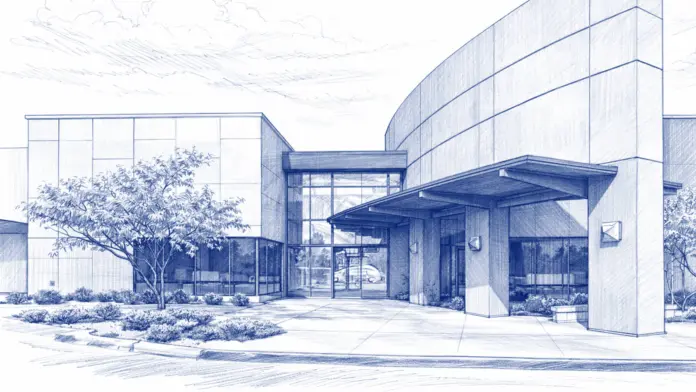
Safe Refuge served veterans and other underserved populations at their facility located in Long Beach, California. They provided programs for drug and alcohol treatment, housing and mental health resources like counseling to the community. The team members were dedicated to helping people change their lives for the better and offer lasting support moving forward.
Drug and Alcohol Treatment in Long Beach
For individuals who struggled with alcohol and drug use, Safe Refuge had several programs to help with finding your footing and independence. The residential program provided an environment that felt like home.
Supportive housing options promised a drug free environment where individuals experiencing homeless or low income could find respite. Housing typically supported individuals anywhere from six months to several years. These services were accredited by the Commission on Accreditation of Rehabilitation Facilities (CARF).
Positive Impact on the Community
Previous clients praised the facility for helping them achieve recovery and growth during their time there. One individual stated, “Safe Refuge also showed me why it is so important to give back to where you come from, for my experiences just might save another addict’s life.”
Latest Reviews



Rehab Score
 Our Methodology


Location
Other Forms of Payment
Private insurance refers to any kind of healthcare coverage that isn't from the state or federal government. This includes individual and family plans offered by an employer or purchased from the Insurance Marketplace. Every plan will have different requirements and out of pocket costs so be sure to get the full details before you start treatment.
Self-pay involves paying for treatment out of your own pocket. You can use savings or credit, get a personal loan, or receive help from family and friends to fund your treatment. If you don't have insurance or your insurance plan doesn't cover a specific program, self-pay can help ensure you still get the care you need.
Addiction Treatments
Levels of Care
Clients receiving treatment at an outpatient rehab typically do not require hospitalization or intensive supervision and support. Outpatient addiction counseling and recovery education are often offered during the morning, evening, night, and weekend, allowing clients to tailor treatment to their own schedule. Partial hospitalization (PHP) and intensive outpatient (IOP) programs are the most time-intensive and are designed for clients who are at an increased relapse risk and/or who need more robust therapeutic support.
Sober living homes in California offers an intermediate sober environment that has less structure than inpatient rehab but more than typical home environments. This makes it a good option for those who have concerns about transitioning back to the "real world" after treatment. Residents can typically live at the halfway house as long as they want, if they are willing to follow house rules. These may include a curfew, chores, and maintaining a job.
Programs
Adult rehab programs include therapies tailored to each client's specific needs, goals, and recovery progress. They are tailored to the specific challenges adult clients may face, including family and work pressures and commitments. From inpatient and residential treatment to various levels of outpatient services, there are many options available. Some facilities also help adults work through co-occurring conditions, like anxiety, that can accompany addiction.
Clinical Services
During group therapy, men and women learn to express their emotions openly in a non judgmental setting. This helps you process your feelings and reduces feelings of social isolation that are often associated with addiction.
Individual therapy for drug addiction includes a customized treatment plan that considers your history and life circumstances. During your therapy sessions, the therapist helps you uncover underlying issues and triggers for addictive behavior that support a holistic approach to recovery.
Family therapy offers a platform for members to have an open dialogue about the challenges that addiction has placed on the family unit. Through guided sessions, therapists can help families develop healthy communication skills and address unresolved issues. By working together toward a common goal, they help to support their loved one's sobriety.
Staff & Accreditations
Staff
Kathryn Romo
Executive Director
Jennifer Lundahl, MS, LMFT
Clinical Director
Arthur Romo
Marketing Director & Community Outreach
Robert Walker
Facility Director
Accreditations

The Commission on Accreditation of Rehabilitation Facilities (CARF) is a non-profit organization that specifically accredits rehab organizations. Founded in 1966, CARF's, mission is to help service providers like rehab facilities maintain high standards of care.
CARF Accreditation: Yes


