















































































































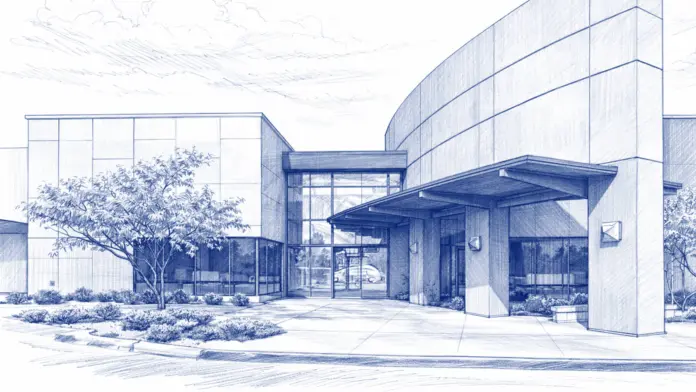
About Tracy’s House
Tracy’s House is a nonprofit addiction and mental health treatment organization in Lexington, Kentucky. The organization offers intensive outpatient care, as well as a 30-day residential program where clients can meet with clinicians to address their substance use and co-occurring mental health issues.
This is an affordable recovery housing program that accepts private payment. The facility is only a short drive from downtown Lexington. The house treats both men and women.
Homelike Addiction Treatment Environment
The recovery house is in a fully furnished home with modern amenities, accessible to public transportation. It’s clean and comfortable with shared communal living spaces and bedrooms. There’s a kitchen, on-site laundry, and outdoor spaces for relaxation and recreation.
The program heavily focuses on accountability, peer support, and learning practical life skills. Residents are required to participate in daily recovery activities and daily routines. There are random, frequent drug screens and zero tolerance for alcohol or drug use.
Rebuilding Family Relationships
The program emphasizes women’s empowerment and focuses on rebuilding family relationships strained by substance misuse. The setting is intimate, so clients receive individualized attention.
Residents at the house have described the environment as family oriented and loving. The staff has been described as supportive and as providing a strong sense of accountability and community. Past clients have mentioned that they were able to rebuild their lives and relationships while finding lasting recovery.
Finding Employment
During the program, you’ll be encouraged to volunteer or find secure employment as part of your daily routine. The program includes accountability meetings, chores, and a nonnegotiable curfew. You’ll engage in 12-step meetings or other types of community based recovery.
Facility Overview
 15 - 30
Rehab Score
 Our Methodology


Location
Addiction Treatments
Levels of Care
Inpatient rehab is designed primarily for clients exiting detox, those in early recovery, and those in crisis situations that may increase their risk of relapse. Clients reside at the inpatient treatment center for the length of the program, which may range from two weeks to more than 18 months, depending on the program design. Inpatient treatment typically includes 24-hour clinical care and extensive addiction counseling and recovery education using CBT, DBT, RBT, motivational interviewing or other psychotherapeutic approaches.
Intensive outpatient programs (IOP) specialize in high-level care for clients requiring robust support. This includes those in early recovery, those in crisis, and those stepping down from inpatient care. Clients typically participate in a minimum of nine treatment hours per week, but many intensive outpatient rehabs offer up to 20 hours of service weekly. Their primary treatment modalities generally combine psychotherapy and recovery education. Medication assisted treatment (MAT) for alcohol and/or opioid recovery is widely available.
Outpatient rehabs enable clients to integrate addiction treatment into their daily lives. Clients typically continue to work and reside at home, but may engage in daily therapeutic sessions, depending on need. Outpatient treatment generally involves individual, group, and/or family therapy, recovery-focused life skills training, and a variety of ancillary services, such as career counseling or vocational training. Outpatient rehabs often encompass multiple levels of care, including partial hospitalization (PHP), intensive outpatient (IOP), sober living, and standard outpatient.
Rehab aftercare programs ensure clients' access to continuing care after the completion of intensive inpatient treatment. Outpatient care is often considered a component of drug rehab aftercare, but most clients continue to receive support services after being discharged from formal treatment. Service portfolios are customized to clients' unique and evolving needs and are often designed in collaboration with clients' case managers and care teams. Peer coaching, career counseling, relapse prevention, and 12 step program induction are standard.
Treatments
Alcoholism is a term used to describe a level of drinking that causes harm to a person's health. Also known as alcohol addiction or alcohol use disorder (AUD), the dependency involves a strong, often uncontrollable urge to drink.This condition is treatable through alcohol rehab in Kentucky. Programs typically involve supervised detox, behavioral treatments, medications, and mutual-support groups.
Drug rehab in Kentucky often starts with detox, then includes inpatient or outpatient treatment, and continues with aftercare support. Specific methods used during each of these phases varies, but often include individual and group counseling, medication, and recreational therapies.
 Opioid Addiction
Clinical Services
Men and women in Kentucky participating in group therapy learn to express their feelings and struggles with drug addiction in a non judgmental atmosphere. Your peers can offer you empathy and encouragement because they understand your journey to recovery. This fosters a sense of community and belonging that may extend far after group therapy sessions.
In individual therapy for drug and alcohol addiction, the therapist and patient work together to address the challenges and triggers that drive addictive behavior. This offers a customized approach to a healthier, substance free life.
Life skills equip you to obtain and maintain employment, establish healthy relationships, develop a healthy daily routine, manage your finances, and practice self care. Because these are an important part of successful recovery, life skills training should be an integral part of your rehab in Kentucky.
Contact Information


1365 Devonport Dr, Lexington, KY 40504
Sponsored Helpline


