






























































































My mom just admitted to access dementia and rapid cognitive dysfunction. Looks to be a very welcome and professional facility.
About Witham Health Services
Witham Health Services is a behavioral health provider in Lebanon, Indiana, offering inpatient and outpatient psychiatric care for adults and seniors.
Its team treats depression, anxiety, mood disorders, bipolar disorder, schizophrenia and dementia-related behavioral concerns.
Witham delivers safe, compassionate crisis care in an environment specifically tailored to psychiatric needs, helping patients stabilize and plan for lasting recovery.
Inpatient Behavioral Health and Crisis Stabilization
Witham’s core focus is inpatient psychiatric care for adults age 18 and older who are experiencing a behavioral health crisis.
The inpatient unit features nine private rooms with 24 hour care and supervision for individuals whose symptoms are impacting daily functioning.
Treatment centers on stabilizing acute crisis situations and building a clear plan for ongoing care.
Patients receive round-the-clock support in a secure setting designed to address both immediate needs and the underlying conditions driving their symptoms.
Transitions Geriatric Psychiatry for Seniors
The Transitions program is a 12 bed inpatient unit dedicated to older adults facing acute psychiatric concerns such as depression, anxiety, dementia and Alzheimer’s disease.
Care is provided by a team of psychiatrists, internists, social workers, nurses, rehabilitation therapists, activity therapists and dietitians.
With an average stay of 7 to 10 days, the program helps seniors restore independence and maximize daily functioning.
Access and Next Steps
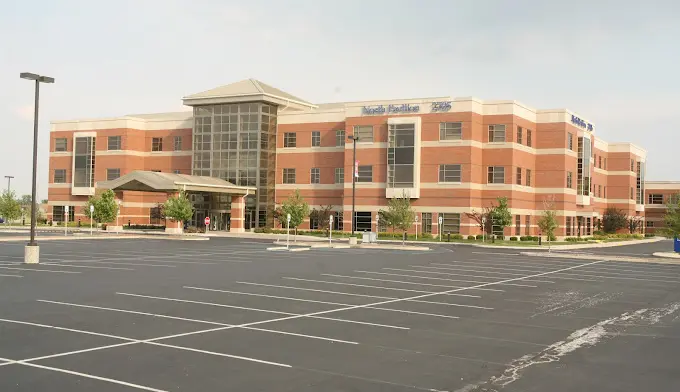
Witham Health Services provides in-person inpatient and outpatient behavioral health care at its campus on North Lebanon Street in Lebanon, Indiana.
The team bills insurance as a courtesy and offers a financial assistance program that may provide free or discounted care based on income and household size.
Latest Reviews
Too all the nurses male or female,
I would really like to show you how much I appreciate the time and care that you afforded during my stay in the hospital, from the 21st August to the 24th August.
It was a pleasure being a patient with you.
Response from the owner3 weeks ago
Thank you so much for your kind words, Rex. We’re grateful you chose Witham Health Services and thrilled to hear you had a positive experience. Feel free to call our Patient Experience Team at 765‑485‑8100 to share more about your visit.
Avoid
Response from the owner4 months ago
Thank you for your rating, Martin. We’re sorry to see that your experience may not have been fully positive, and we’d appreciate the opportunity to learn more. Please feel free to call our Patient Experience Team at 765‑485‑8100 to share additional details.
All of the nurses were kind and compassionate. We actually had a tornado warning and hospital and nurse made sure we were safe. All together an amazing delivery.
Response from the owner3 weeks ago
Kasey, thank you so much for your kind words. We’re grateful you chose Witham Health Services and thrilled to hear you had a positive experience. Feel free to call our Patient Experience Team at 765‑485‑8100 to share more about your visit. 
Rehab Score
 Our Methodology
Scoring is assigned by a proprietary system which helps surface key metrics that determine quality. The 10-point scale factors in categories such as operations, customer satisfaction, and trust metrics. Read Full Methodology

8.1 / 10
Gallery
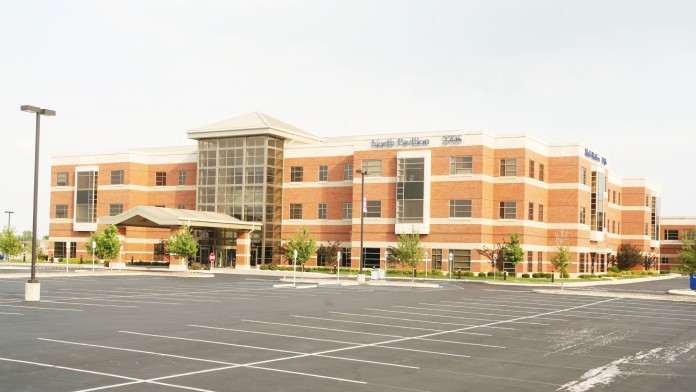
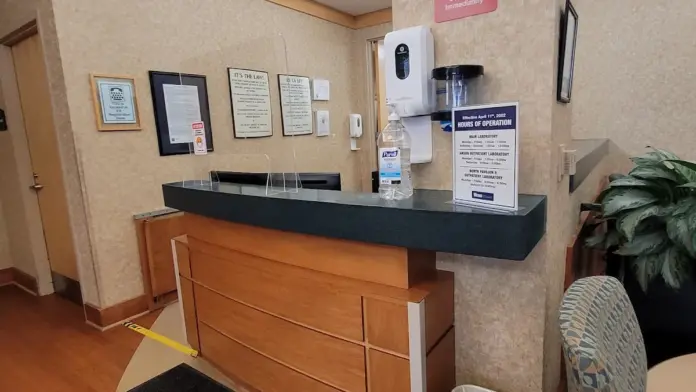
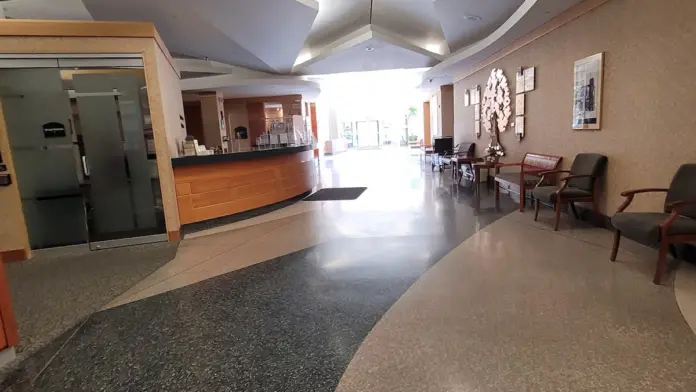
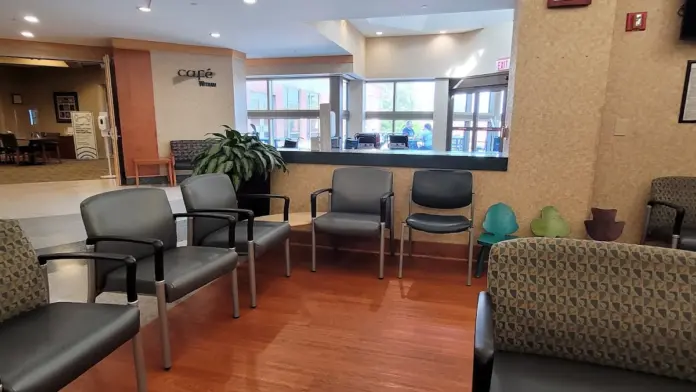
Other Forms of Payment
Private insurance refers to any kind of healthcare coverage that isn't from the state or federal government. This includes individual and family plans offered by an employer or purchased from the Insurance Marketplace. Every plan will have different requirements and out of pocket costs so be sure to get the full details before you start treatment.
Self-pay involves paying for treatment out of your own pocket. You can use savings or credit, get a personal loan, or receive help from family and friends to fund your treatment. If you don't have insurance or your insurance plan doesn't cover a specific program, self-pay can help ensure you still get the care you need.
Medicare is a federal program that provides health insurance for those 65 and older. It also serves people under 65 with chronic and disabling health challenges. To use Medicare for addiction treatment you need to find a program that accepts Medicare and is in network with your plan. Out of pocket costs and preauthorization requirements vary, so always check with your provider.
Addiction Treatments
Levels of Care
If you need some flexibility and choice when it comes to your recovery, outpatient rehab programs are a great option because they do not require intensive inpatient treatment. Clients remain in their own homes and may continue to work or attend school while in active treatment. Outpatient treatment typically includes addiction counseling and continuing recovery education, including courses in self-care and relapse prevention. Medication assisted treatment (MAT) is available in many treatment centers for clients in opioid and/or alcohol recovery.
Residential treatment programs are those that offer housing and meals in addition to substance abuse treatment. Rehab facilities that offer residential treatment allow patients to focus solely on recovery, in an environment totally separate from their lives. Some rehab centers specialize in short-term residential treatment (a few days to a week or two), while others solely provide treatment on a long-term basis (several weeks to months). Some offer both, and tailor treatment to the patient's individual requirements.
Persons who require high-level support but who do not wish to leave their homes or communities may enroll in an intensive outpatient program (IOP). Clients typically commit to a minimum of nine treatment hours across three therapeutic sessions per week, but many programs offer up to 20 hours of care weekly. Most intensive outpatient rehabs provide a combination of psychotherapy, recovery education, and holistic care. Medication assisted treatment (MAT) is widely available for those in alcohol or opioid recovery.
Clients receiving support in a rehab aftercare program have completed inpatient care and may also be preparing to exit formal outpatient care. Outpatient services are typically categorized as rehab aftercare, but these services often continue beyond the cessation of formal treatment. Rehab aftercare services are designed to promote life-long recovery through comprehensive, wraparound care, which may include medical, mental health, and social services. These programs are usually created in collaboration with the client's case manager and care team.
12 step programs foster participants' long-term sobriety through personal growth rooted in spiritual principles, though religious affiliation is not mandatory. Most 12 step meetings are non-denominational but are based on the belief in a higher power. Participants learn to understand and address the causes of their addiction, accept responsibility for their choices, and relinquish control for that which cannot be changed. Regular group meetings and mentoring by a self-selected sponsor are required.
Treatments
Mental health rehabs focus on helping individuals recover from mental illnesses like bipolar disorder, clinical depression, anxiety disorders, schizophrenia, and more. Mental health professionals at these facilities are trained to understand and treat mental health issues, both in individual and group settings.
Programs
Adult rehab programs include therapies tailored to each client's specific needs, goals, and recovery progress. They are tailored to the specific challenges adult clients may face, including family and work pressures and commitments. From inpatient and residential treatment to various levels of outpatient services, there are many options available. Some facilities also help adults work through co-occurring conditions, like anxiety, that can accompany addiction.
Young adulthood can be an exciting, yet difficult, time of transition. Individuals in their late teens to mid-20s face unique stressors related to school, jobs, families, and social circles, which can lead to a rise in substance use. Rehab centers with dedicated young adult programs will include activities and amenities that cater to this age group, with an emphasis on specialized counseling, peer socialization, and ongoing aftercare.
Clinical Services
Experiential therapy is a form of therapy in which clients are encouraged to surface and work through subconscious issues by engaging in real-time experiences. Experiential therapy departs from traditional talk therapy by involving the body, and having clients engage in activities, movements, and physical and emotional expression. This can involve role-play or using props (which can include other people). Experiential therapy can help people process trauma, memories, and emotion quickly, deeply, and in a lasting fashion, leading to substantial and impactful healing.
Research clearly demonstrates that recovery is far more successful and sustainable when loved ones like family members participate in rehab and substance abuse treatment. Genetic factors may be at play when it comes to drug and alcohol addiction, as well as mental health issues. Family dynamics often play a critical role in addiction triggers, and if properly educated, family members can be a strong source of support when it comes to rehabilitation.
Fitness therapy blends exercise with psychotherapy for a fun, inspiring, and effective way of treating addiction and other issues. By incorporating movement into counseling sessions, clients become more empowered, motivated, and goal-oriented, all while strengthening their bodies and becoming more flexible. Fitness Therapy is usually used to complement a course of treatment (inpatient or outpatient) to make it even more successful. Increasing the connection between a patient’s mind and body helps both with healing as well as in creating new, healthy habits.
Group therapy is any therapeutic work that happens in a group (not one-on-one). There are a number of different group therapy modalities, including support groups, experiential therapy, psycho-education, and more. Group therapy involves treatment as well as processing interaction between group members.
In individual therapy, a patient meets one-on-one with a trained psychologist or counselor. Therapy is a pivotal part of effective substance abuse treatment, as it often covers root causes of addiction, including challenges faced by the patient in their social, family, and work/school life.
Nutrition therapy, aka medical nutrition therapy (MNT), is a way of treating physical, emotional, and medical conditions through diet. Specific dietary plans are designed by professional nutritionists or registered dietitians, and patients follow them in order to positively affect their physical and mental health.
Amenities
-
 Residential Setting
 -
 Private Setting
 -
 Private Rooms
Staff & Accreditations
Staff
Kelly L. P. Braverman, MHA, FACHE
President & CEO
Stephen J. Bardoczi, MHA, FACHE, HFA, CRE
VP Planning & Post-Acute Care
Emily M. Rogers, JD
VP of Support Services
Geni S. Klayer, BSN, RN, MBA, MJ
VP of Provider Services
Julie Hawkins, MSN, RN, NEA-BC
VP, Chief Nursing Officer
Dan Sellers
CFO
W. Ross Strong, MD
CMO
Thomas Heniff, MD
CQO
Accreditations

The Joint Commission, formerly known as JCAHO, is a nonprofit organization that accredits rehab organizations and programs. Founded in 1951, the Joint Commision's mission is to improve the quality of patient care and demonstrating the quality of patient care.
Joint Commission Accreditation: Yes
Accreditation Number: 7187
Rehab.com regularly reviews this listing for accuracy but changes may occur between updates. For the most up-to-date information, please contact Witham Health Services.
Contact Information

2605 North Lebanon street
Lebanon IN, 46052
Get Help Now - 463-388-1405
Sponsored Helpline
Sponsored Helpline


