





























































































ACER is awesome. If you're trying to get Clean and stay clean this is definitively the place to go.
About ACER
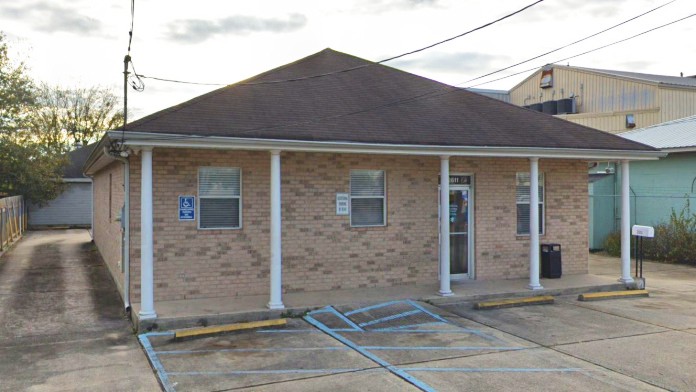
Located in Chalmette, Louisiana, ACER, was an addiction treatment facility that offered generalized outpatient care along with outpatient detox services. They helped men and women work through addiction struggles and had a specialized focus on providing opioid addiction recovery.
This facility has permanently shut down. When they were open, they accepted policies from most major insurance providers including Medicaid. They also had payment assistance programs.
Multiple Medication Assisted Treatment Approaches
At the heart of their opioid recovery program was medication assisted treatment using FDA approved medications. You would have had access to methadone, buprenorphine and naltrexone treatment.
MAT was used alongside a variety of other treatment modalities including generalized addiction counseling, trauma informed counseling and the traditional 12 Steps.
Serving Underprivileged Communities
ACER provided accessible opioid addiction treatment to individuals who would otherwise struggle to find quality and accessible care. They had designated treatment tracks for pregnant and postpartum women as well.
Alongside their addiction treatment, pregnant and postpartum women had access to other community resources and support through linkage services. This allowed women to make meaningful changes in their lives as they welcomed a newborn.
Accessible Care
Chalmette is an accessible community, and there are a number of nearby attractions and community spaces where you could spend your time as you worked through addiction treatment. Some of these spaces include the St. Bernard State Park and the historic Old Arabi neighborhood.

Rehab Score
 Our Methodology
Scoring is assigned by a proprietary system which helps surface key metrics that determine quality. The 10-point scale factors in categories such as operations, customer satisfaction, and trust metrics. Read Full Methodology

6.9 / 10
Gallery
Accepted Insurance

Managed Health Network (MHN)

Gilsbar
Louisiana Healthcare Connections
PHCS (Private Healthcare Systems)
Other Forms of Payment
Self-pay involves paying for treatment out of your own pocket. You can use savings or credit, get a personal loan, or receive help from family and friends to fund your treatment. If you don't have insurance or your insurance plan doesn't cover a specific program, self-pay can help ensure you still get the care you need.
Private insurance refers to any kind of healthcare coverage that isn't from the state or federal government. This includes individual and family plans offered by an employer or purchased from the Insurance Marketplace. Every plan will have different requirements and out of pocket costs so be sure to get the full details before you start treatment.
Financial aid can take many forms. Centers may have grants or scholarships available to clients who meet eligibility requirements. Programs that receive SAMHSA grants may have financial aid available for those who need treatment as well. Grants and scholarships can help you pai for treatment without having to repay.
Medicaid is a state based program that helps lower-income individuals and families pay for healthcare. Medicaid covers addiction treatment so those enrolled can use their coverage to pay for rehab. When a program accepts Medicaid the client often pays very little or nothing out of their own pocket.
Military members, veterans, and eligible dependents have access to specific insurance programs that help them get the care they need. TRICARE and VA insurance can help you access low cost or no cost addiction and mental health treatment. Programs that accept military insurance often have targeted treatment focused on the unique challenges military members, veterans, and their families face.
Addiction Treatments
Levels of Care
Intensive Outpatient programs are for those who want or need a very structured treatment program but who also wish to live at home and continue with certain responsibilities (such as work or school). IOP substance abuse treatment programs vary in duration and intensity, and certain outpatient rehab centers will offer individualized treatment programs. Includes 3-4 group sessions per week, family education series, ACERS’s peer guide program, care coordination, individualized treatment planning, psychiatric and nutritional assessment, random urine drug screens and participation in outside recovery support (12 Step).
Outpatient programs are for those seeking mental rehab or drug rehab, but who also stay at home every night. The main difference between outpatient treatment (OP) and intensive outpatient treatment (IOP) lies in the amount of hours the patient spends at the facility. Most of the time an outpatient program is designed for someone who has completed an inpatient stay and is looking to continue their growth in recovery. Outpatient is not meant to be the starting point, it is commonly referred to as aftercare. Outpatient includes Inter personally focused process groups that assist clients with condition that have contributed to the initial development of the substance use problem. Offered 3 days/week for 1 hour.
Completing a drug or alcohol rehab program shouldn’t spell the end of substance abuse treatment. Aftercare involves making a sustainable plan for recovery, including ongoing support. This can include sober living arrangements like halfway houses, career counseling, and setting a patient up with community programs like Alcoholics Anonymous (AA) or Narcotics Anonymous (NA). A 1 hour group offered weekly for recovery maintenance. Clients may attend for up to 1 year.
Treatments
The goal of treatment for alcoholism is abstinence. Those with poor social support, poor motivation, or psychiatric disorders tend to relapse within a few years of treatment. For these people, success is measured by longer periods of abstinence, reduced use of alcohol, better health, and improved social functioning. Recovery and Maintenance are usually based on 12 step programs and AA meetings.
While each drug rehab in Louisiana offers unique elements, recovery support often follows a similar pattern. Detox is followed by inpatient and/or outpatient care, then aftercare support is provided once the participant completes the initial program.
Opioid rehabs specialize in supporting those recovering from opioid addiction. They treat those suffering from addiction to illegal opioids like heroin, as well as prescription drugs like oxycodone. These centers typically combine both physical as well as mental and emotional support to help stop addiction. Physical support often includes medical detox and subsequent medical support (including medication), and mental support includes in-depth therapy to address the underlying causes of addiction.
Substance rehabs focus on helping individuals recover from substance abuse, including alcohol and drug addiction (both illegal and prescription drugs). They often include the opportunity to engage in both individual as well as group therapy.
Programs
Adult rehab programs include therapies tailored to each client's specific needs, goals, and recovery progress. They are tailored to the specific challenges adult clients may face, including family and work pressures and commitments. From inpatient and residential treatment to various levels of outpatient services, there are many options available. Some facilities also help adults work through co-occurring conditions, like anxiety, that can accompany addiction.
Young adulthood can be an exciting, yet difficult, time of transition. Individuals in their late teens to mid-20s face unique stressors related to school, jobs, families, and social circles, which can lead to a rise in substance use. Rehab centers with dedicated young adult programs will include activities and amenities that cater to this age group, with an emphasis on specialized counseling, peer socialization, and ongoing aftercare.
Clinical Services
Group therapy is any therapeutic work that happens in a group (not one-on-one). There are a number of different group therapy modalities, including support groups, experiential therapy, psycho-education, and more. Group therapy involves treatment as well as processing interaction between group members.
Amenities
-
 Residential Setting
Staff & Accreditations
Staff
Morris Hawkins
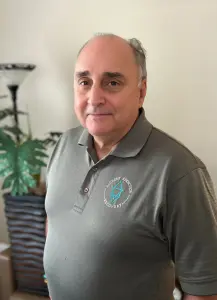
Owner & CEO

Jodi Stamps
Administrative Director & CFO
Brittney McIver
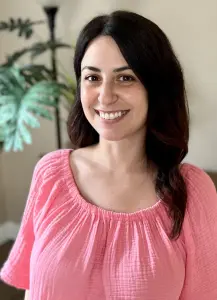
Clinical Director
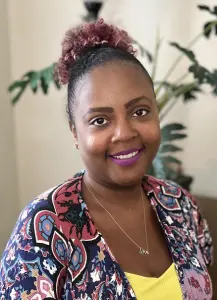
LaToya Washington
Assistant Admin Director & HR
Accreditations

The Commission on Accreditation of Rehabilitation Facilities (CARF) is a non-profit organization that specifically accredits rehab organizations. Founded in 1966, CARF's, mission is to help service providers like rehab facilities maintain high standards of care.
CARF Accreditation: Yes
Rehab.com regularly reviews this listing for accuracy but changes may occur between updates. For the most up-to-date information, please contact ACER.
Contact Information

2611 Jackson Blvd
Chalmette, LA 70043
Get Help Now - 504-946-7507
Sponsored Helpline
Sponsored Helpline



