





























































































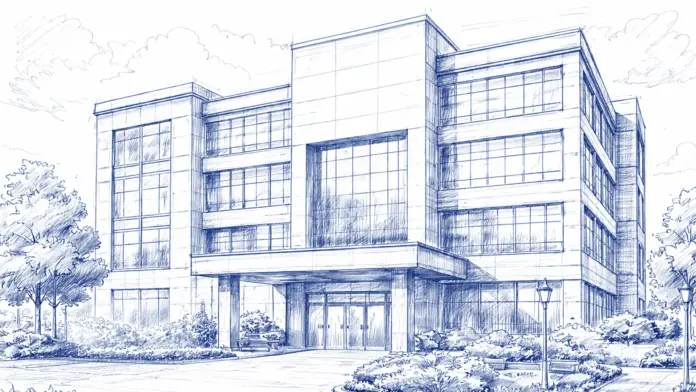
About Alano Club of Kalamazoo
Alano Club of Kalamazoo is a non-profit recovery support resource in Kalamazoo, Michigan, offering 12-step centered programs for adults seeking help with alcohol, opioid and other substance use challenges.
The organization provides group-based support, family therapy and gender-specific options designed to encourage long-term sobriety.
Its mission centers on community and peer-supported recovery rooted in the 12-step tradition.
Recovery Support with Peer Driven Accountability
Participation typically begins with connecting to the club’s group meetings and recovery activities, where individuals can engage with peers working through similar substance use challenges.
The 12-step framework guides much of the program, supplemented by clinical services such as group therapy and family therapy.
Clients can expect a peer-driven environment that emphasizes accountability, fellowship and spiritual growth.
Family involvement is supported through dedicated family therapy, while women-focused and men-specific options provide space for gender responsive recovery work.
Quick Facts About Alano Club of Kalamazoo
- Location: 933 South Burdick Street, Kalamazoo, Michigan
- Services offered: 12-step programming, group therapy and family therapy
- Who they serve: Adults navigating alcoholism, drug addiction and opioid use disorder
- Approach: 12-step recovery model with family involvement and gender-specific support
- Specialty tracks: Women-focused and men-specific recovery programs
- Payment: Non-profit organization
Latest Reviews



Rehab Score
 Our Methodology


Location
Other Forms of Payment
 Free
FreeAddiction Treatments
Levels of Care
12-step programs are addiction recovery models based on Alcoholics Anonymous (AA). A number of substance abuse programs (including some drug and alcohol rehab centers) use the 12 steps as a basis for treatment. Beginning steps involve admitting powerlessness over the addiction and creating a spiritual basis for recovery. Middle steps including making direct amends to those who've been hurt by the addiction, and the final step is to assist others in addiction recovery in the same way. 12-Step offshoots including Narcotics Anonymous (NA), Cocaine Anonymous (CA), Dual Recovery Anonymous (DRA), Sex and Love Addicts Anonymous (SLAA) and Gamblers Anonymous (GA).
Treatments
The goal of treatment for alcoholism is abstinence. Those with poor social support, poor motivation, or psychiatric disorders tend to relapse within a few years of treatment. For these people, success is measured by longer periods of abstinence, reduced use of alcohol, better health, and improved social functioning. Recovery and Maintenance are usually based on 12 step programs and AA meetings.
Drug rehab in Michigan provides personalized treatment to help individuals break this cycle and regain control of their lives. Treatment methods are used in various levels of care, including inpatient rehab, partial hospitalization programs, intensive outpatient programs, and standard outpatient treatment.
Opioid rehabs specialize in supporting those recovering from opioid addiction. They treat those suffering from addiction to illegal opioids like heroin, as well as prescription drugs like oxycodone. These centers typically combine both physical as well as mental and emotional support to help stop addiction. Physical support often includes medical detox and subsequent medical support (including medication), and mental support includes in-depth therapy to address the underlying causes of addiction.
Substance rehabs focus on helping individuals recover from substance abuse, including alcohol and drug addiction (both illegal and prescription drugs). They often include the opportunity to engage in both individual as well as group therapy.
Programs
Adult rehab programs include therapies tailored to each client's specific needs, goals, and recovery progress. They are tailored to the specific challenges adult clients may face, including family and work pressures and commitments. From inpatient and residential treatment to various levels of outpatient services, there are many options available. Some facilities also help adults work through co-occurring conditions, like anxiety, that can accompany addiction.
Clinical Services
Group therapy is any therapeutic work that happens in a group (not one-on-one). There are a number of different group therapy modalities, including support groups, experiential therapy, psycho-education, and more. Group therapy involves treatment as well as processing interaction between group members.
Research clearly demonstrates that recovery is far more successful and sustainable when loved ones like family members participate in rehab and substance abuse treatment. Genetic factors may be at play when it comes to drug and alcohol addiction, as well as mental health issues. Family dynamics often play a critical role in addiction triggers, and if properly educated, family members can be a strong source of support when it comes to rehabilitation.
Rehab.com regularly reviews this listing for accuracy but changes may occur between updates. For the most up-to-date information, please contact Alano Club of Kalamazoo.
Contact Information


933 South Burdick Street
Kalamazoo, MI 49001
Sponsored Helpline

