










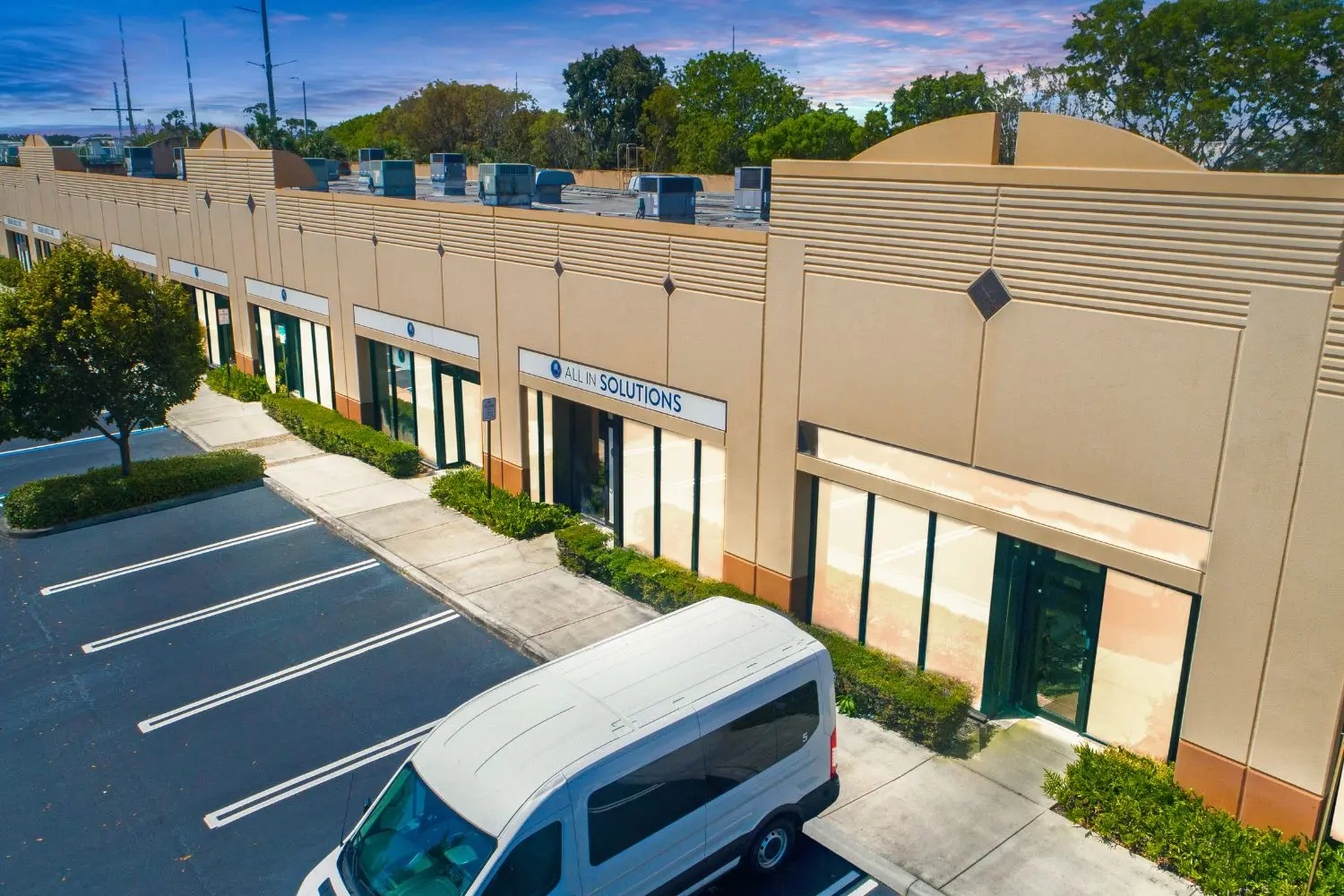
All In Solutions Counseling Center
1
Top 10 Rehab Centers In Boynton Beach



















































































Detox aims to remove toxins from your body in preparation for primary treatment. Their detox process involves assessment, stabilization and 24/7 supervision by experienced medical professionals. Depending on the severity of your alcoholism they may administer FDA approved medications such as disulfiram, acamprosate and benzodiazepines. These medications help reduce withdrawal symptoms, ensuring a safe and comfortable detox experience.
After detox you’ll work with their dedicated care team to craft a personalized treatment plan in preparation for the next step in the recovery process. Individualized treatment ensures you receive therapy tailored to your unique situation. This is because no two people struggle with the same degree of alcoholism, and response to treatment varies significantly among clients.
Their inpatient care is provided in a safe and conducive residential environment. The process involves individual and group counseling and alcohol addiction education. Individual and group sessions help you identify addiction triggers, build robust coping mechanisms, manage cravings, address underlying emotional issues and develop healthier lifestyle habits to support long term recovery from alcohol addiction. Their addiction education enables you to understand the effects of alcohol on your body and mind, recognize the signs of dependence, make informed decisions about your health and develop strategies to prevent relapse.
You also gain insight into the impact of your alcoholism on your loved ones. This understanding helps you repair relationships and build a more robust support network. The facility also provides aftercare services including ongoing therapy and access to community resources that can help you achieve permanent recovery with time.

 40
40 
 Our Methodology


Residential treatment programs are those that offer housing and meals in addition to substance abuse treatment. Rehab facilities that offer residential treatment allow patients to focus solely on recovery, in an environment totally separate from their lives. Some rehab centers specialize in short-term residential treatment (a few days to a week or two), while others solely provide treatment on a long-term basis (several weeks to months). Some offer both, and tailor treatment to the patient's individual requirements.
Drug and alcohol addiction often takes a heavy toll on one's body. Over time, a physical dependence can develop, meaning the body physiologically needs the substance to function. Detox is the process of removing drugs and/or alcohol from the body, a process that can be lethal if mismanaged. Medical detox is done by licensed medical professionals who monitor vital signs and keep you safe, healthy, and as comfortable as possible as you go through detox and withdrawal. The length of stay at the detoxification program is determined according to the specific needs of the patient.
Completing a drug or alcohol rehab program shouldn't spell the end of substance abuse treatment. Aftercare involves making a sustainable plan for recovery, including ongoing support. This can include sober living arrangements like halfway houses, career counseling, and setting a patient up with community programs like Alcoholics Anonymous (AA) or Narcotics Anonymous (NA).
Research clearly demonstrates that recovery is far more successful and sustainable when loved ones like family members participate in rehab and substance abuse treatment. Genetic factors may be at play when it comes to drug and alcohol addiction, as well as mental health issues. Family dynamics often play a critical role in addiction triggers, and if properly educated, family members can be a strong source of support when it comes to rehabilitation.
Group therapy is any therapeutic work that happens in a group (not one-on-one). There are a number of different group therapy modalities, including support groups, experiential therapy, psycho-education, and more. Group therapy involves treatment as well as processing interaction between group members.
In individual therapy, a patient meets one-on-one with a trained psychologist or counselor. Therapy is a pivotal part of effective substance abuse treatment, as it often covers root causes of addiction, including challenges faced by the patient in their social, family, and work/school life.

The Commission on Accreditation of Rehabilitation Facilities (CARF) is a non-profit organization that specifically accredits rehab organizations. Founded in 1966, CARF's, mission is to help service providers like rehab facilities maintain high standards of care.
CARF Accreditation: Yes

The Joint Commission, formerly known as JCAHO, is a nonprofit organization that accredits rehab organizations and programs. Founded in 1951, the Joint Commision's mission is to improve the quality of patient care and demonstrating the quality of patient care.
Joint Commission Accreditation: Yes
Rehab.com regularly reviews this listing for accuracy but changes may occur between updates. For the most up-to-date information, please contact Alcohol Rehab Center.

538 Southwest 4th Street
Miami, FL 33130
Sponsored Helpline
 Back
Back
Sharing your insights and experiences can help others learn more about this rehab center.
 Written By: Chika Uchendu


