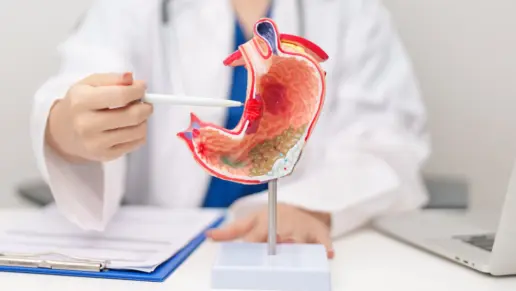
If you have diabetes, alcohol can complicate blood sugar management in ways that are easy to underestimate. Alcohol and diabetes affect many of the same organs and metabolic processes, raising your risk of both short-term emergencies and longer-term complications. Understanding the interaction can help you make safer, more informed decisions about drinking.
Key Points
- Heavy or long-term alcohol use can raise your risk of developing type 2 diabetes through insulin resistance.
- Alcohol and blood sugar affect each other in both directions, sometimes causing dangerous highs or lows in one session.
- If you have diabetes, check your blood glucose before, during, and after drinking alcohol.
- Certain diabetes medications interact dangerously with alcohol, including metformin, sulfonylureas, and insulin.
- Alcohol can worsen long-term diabetes complications including nerve damage, heart disease, kidney damage, and liver disease.
- FDA-approved medications such as naltrexone and acamprosate can help people reduce or stop drinking.
Does Alcohol Cause Diabetes?
Alcohol does not directly cause type 1 diabetes. Type 1 diabetes is an autoimmune disease in which the body’s immune system attacks the insulin-producing cells in the pancreas.1
However, alcohol and type 2 diabetes are linked. Heavy or long-term alcohol use can increase your risk of developing type 2 diabetes. Drinking heavily may contribute to weight gain, increase inflammation, and make it harder for your body to process alcohol and insulin effectively.
Over time, these changes can lead to insulin resistance, a major risk factor for developing type 2 diabetes. Chronic alcohol use can also damage your pancreas. If you develop alcohol-related pancreatitis, your pancreas may lose some of its ability to produce insulin, which can further increase your diabetes risk.2,3,4
Insulin Resistance
Heavy drinking can lead to insulin resistance over time, a major risk factor for developing type 2 diabetes.4
Pancreatic Damage
Chronic alcohol use can damage the pancreas and impair its ability to produce insulin, raising your diabetes risk over time.3
In the past, some studies suggested that moderate alcohol consumption might help protect against type 2 diabetes. However, more recent research, including the 2018 Lancet Global Burden of Disease study and a 2025 advisory from the U.S. Surgeon General, has challenged the idea that alcohol provides significant health benefits.
Most public health experts now emphasize that drinking less alcohol is generally better for your overall health.5,6
How Alcohol Affects Blood Sugar
Alcohol and blood sugar impact one another in different ways, sometimes causing levels to rise and sometimes causing them to fall during the same drinking session. This is one reason that drinking alcohol can be especially risky if you have diabetes or take medications that lower blood sugar. The effects depend on how much you drink, whether you consume alcohol with food, and your overall health.7
Hypoglycemia (Low Blood Sugar)
Your liver normally releases stored glucose to help keep your blood sugar levels stable. When your liver is busy processing alcohol, it temporarily reduces or stops releasing glucose into your bloodstream. As a result, your blood sugar can drop too low, especially if you drink on an empty stomach, and it can continue to drop for several hours after drinking.8
Symptoms of hypoglycemia (such as shakiness, sweating, confusion, and dizziness) can look very similar to alcohol intoxication.8 Because of this, you and the people around you may mistake alcohol-related low blood sugar for the effects of drinking, which can delay recognition and treatment of a potentially dangerous situation.
Hyperglycemia (High Blood Sugar)
Many lifestyle factors contribute to hyperglycemia. If you drink beverages that contain a lot of sugar or carbohydrates (such as beer, sweet wines, or cocktails made with sugary mixers), your blood sugar level may rise quickly after drinking.9
Over time, heavy alcohol use can damage your pancreas, which is responsible for producing insulin. As the pancreas becomes less able to make insulin, your blood sugar levels become harder to control, increasing your risk of developing chronic high blood sugar and type 2 diabetes.9
Alcoholic Ketoacidosis
If you drink heavily and do not eat enough food, you can develop a serious condition called alcoholic ketoacidosis. This occurs when your body begins breaking down fat for energy and produces high levels of ketones, causing your blood to become dangerously acidic.10
Symptoms can include nausea, vomiting, abdominal pain, dehydration, rapid breathing, dizziness, and confusion. Alcoholic ketoacidosis is a serious medical emergency that requires immediate treatment, as it can lead to life-threatening complications if left untreated.10
If You Have Diabetes and Drink
If you have diabetes, alcohol can raise or lower your blood sugar, sometimes hours after your last drink. Before drinking with diabetes, talk with your healthcare provider, especially if you take diabetes medications. In some cases, your provider may recommend avoiding alcohol altogether.2
Never drink on an empty stomach. Eating before and while drinking can help reduce the risk of hypoglycemia. Because alcohol can interfere with your liver’s ability to release glucose, low blood sugar may occur several hours after drinking, including overnight.2
If you choose to drink, check your blood glucose before, during, and after drinking. Continue monitoring for several hours, as delayed hypoglycemia is a common concern.
You should also wear or carry some form of diabetes identification. Symptoms of low blood sugar (such as confusion, dizziness, and poor coordination) can be mistaken for intoxication, which may delay treatment in an emergency.2 A medical alert can help emergency providers make a correct diagnosis, so you get the care you need.
To help avoid blood sugar spikes, limit sugary mixers, sweet cocktails, and high-carb beers. If you drink alcohol, options such as dry wine or spirits mixed with low- or no-sugar beverages may have less impact on your blood glucose levels.2
Alcohol and Diabetes Medications
It can be dangerous to mix alcohol and diabetes medications. Alcohol may interact with some diabetes medications and increase the risk of low blood sugar, which can become serious if it is not recognized and treated quickly.
- Metformin: Combining alcohol and metformin raises the risk of lactic acidosis, a rare but life-threatening condition.11
- Sulfonylureas (glipizide, glyburide) and insulin: Mixing alcohol with sulfonylureas drastically increases the risk of dangerous low blood sugar.12
- GLP-1 medications (Ozempic, Mounjaro, and others): Evidence is still emerging, but recent findings indicate that alcohol can worsen the GI side effects these medications already cause.13
Because medication interactions and diabetes management needs vary from person to person, your healthcare provider can help you understand whether alcohol is safe for you and what precautions you should take before drinking.
Call A Treatment Provider
For a conversation about what treatment options are available to you.
Make a Call
 800-985-8516
 Sponsored Helpline
Long-Term Complications Made Worse By Alcohol
If you have diabetes, continuing to drink heavily can make existing health problems worse and increase your risk of long-term complications. This is because alcohol can affect many of the same organs and systems already vulnerable to damage from diabetes.14,15
Nerve Damage (Neuropathy)
Diabetes is a leading cause of nerve damage, and heavy alcohol use can also injure nerves. When both conditions are present, alcohol-related neuropathy and diabetic neuropathy can compound each other, increasing symptoms such as pain, numbness, tingling, and weakness.
Heart and Blood Vessel Disease
Diabetes already raises your risk of heart disease and stroke. Heavy alcohol use can further increase this risk by contributing to high blood pressure, abnormal heart rhythms, and alcohol-related cardiomyopathy, which is a weakening of the heart muscle.
Kidney Disease
Your kidneys work hard to filter waste and regulate fluid balance. Diabetes is a major cause of chronic kidney disease, and alcohol can place additional stress on the kidneys through dehydration and other harmful effects. If you have diabetes, protecting kidney health is especially important.
Eye Disease (Retinopathy)
Diabetes can damage the blood vessels in your eyes and lead to vision loss. Heavy alcohol use has also been associated with the progression of diabetic retinopathy in some studies.
Liver Disease
Type 2 diabetes is closely linked to metabolic-associated steatotic liver disease (MASLD). Heavy alcohol use can further damage the liver, increasing the risk of inflammation, scarring, and long-term liver disease. Alcohol-related liver disease and MASLD often occur together, creating additional health risks.
When to Talk to a Doctor or Seek Help
If you have diabetes and feel that alcohol is making it harder to manage your condition, talking with a healthcare professional can be an important next step. Consider reaching out if you drink regularly and have experienced episodes of low blood sugar, a rising A1c despite treatment, or symptoms such as ongoing fatigue, neuropathy, or abdominal pain.
There is a direct connection between alcohol use and elevated A1c levels in people with diabetes. Cutting back on alcohol, or stopping altogether, can improve blood sugar control and may help lower your A1c over the following weeks and months.
If reducing your alcohol use feels difficult, effective treatment options are available. Examples include FDA-approved medications such as naltrexone, acamprosate, and disulfiram.16
These medications are used in medication-assisted treatment (MAT), along with therapy and peer-support groups. If you drink heavily every day, seek medical guidance before stopping, as withdrawal can be serious and may require medically supervised alcohol addiction treatment.16
If you need help finding the right doctor, contact a member of our team. They will help to determine your needs and connect you with a professional.
Frequently Asked Questions (FAQs)
Heavy alcohol use can contribute to insulin resistance and elevated fasting glucose, both of which fall under prediabetes. Cutting back often improves these markers.4
No alcohol is entirely safe with diabetes, but dry wines and clear spirits with low-carb or zero-calorie mixers tend to have the smallest immediate blood sugar impact. Be sure to consult your provider on the safest practices for you.2
Yes. Heavy or chronic drinking can raise A1c through weight gain, liver damage, and increased baseline glucose. Cutting back typically lowers A1c over the following months.2
Sources
- Lucier J, Mathias PM. Type 1 Diabetes. StatPearls Publishing; 2024. https://www.ncbi.nlm.nih.gov/books/NBK507713/. Accessed June 1, 2026.
- American Diabetes Association. Alcohol and Diabetes. American Diabetes Association; 2026. https://diabetes.org/health-wellness/alcohol-and-diabetes. Accessed June 1, 2026.
- National Institute on Alcohol Abuse and Alcoholism. Medical Complications: Common Alcohol-Related Concerns. National Institutes of Health; 2025. https://www.niaaa.nih.gov/health-professionals-communities/core-resource-on-alcohol/medical-complications-common-alcohol-related-concerns. Accessed June 1, 2026.
- Hwang JH, et al. Heavy Alcohol Use May Increase Type 2 Diabetes Risk in Middle-Aged Adults. American Physiological Society; 2024. https://www.physiology.org/detail/news/2024/04/05/heavy-alcohol-use-may-increase-type-2-diabetes-risk-in-middle-aged-adults. Accessed June 1, 2026.
- Burton R, Sheron N. No level of alcohol consumption improves health. Lancet. 2018;392(10152):987-988. https://www.thelancet.com/article/S0140-6736(18)31571-X/fulltext. Accessed June 1, 2026.
- US Department of Health and Human Services. Alcohol and Cancer Risk: A Report of the Surgeon General. Office of the Surgeon General; 2025. https://www.hhs.gov/surgeongeneral/reports-and-publications/alcohol-cancer/index.html. Accessed June 1, 2026.
- MedlinePlus. Diabetes and Alcohol. National Library of Medicine; 2025. https://medlineplus.gov/ency/patientinstructions/000968.htm. Accessed June 1, 2026.
- National Institute of Diabetes and Digestive and Kidney Diseases. Low Blood Glucose (Hypoglycemia). National Institutes of Health; 2021. https://www.niddk.nih.gov/health-information/diabetes/overview/preventing-problems/low-blood-glucose-hypoglycemia. Accessed June 1, 2026.
- Mouri MI, Badireddy M. Hyperglycemia. StatPearls Publishing; 2023. https://www.ncbi.nlm.nih.gov/books/NBK430900/. Accessed June 1, 2026.
- National Institute on Alcohol Abuse and Alcoholism. Alcohol Metabolism. National Institutes of Health; 2025. https://www.niaaa.nih.gov/publications/alcohol-metabolism. Accessed June 1, 2026.
- Corcoran C, Jacobs TF. Metformin. StatPearls Publishing; 2023. https://www.ncbi.nlm.nih.gov/books/NBK518983/. Accessed June 1, 2026.
- Costello RA, Nicolas S, Shivkumar A. Sulfonylureas. StatPearls Publishing; 2023. https://www.ncbi.nlm.nih.gov/books/NBK513225/. Accessed June 1, 2026.
- US Food and Drug Administration. Ozempic (Semaglutide) Injection Prescribing Information. Novo Nordisk; 2023. https://www.accessdata.fda.gov/drugsatfda_docs/label/2023/209637s020s021lbl.pdf. Accessed June 1, 2026.
- American Heart Association. Diabetes Complications and Risks. American Heart Association; 2024. https://www.heart.org/en/health-topics/diabetes/diabetes-complications-and-risks. Accessed June 1, 2026.
- National Institute on Alcohol Abuse and Alcoholism. Alcohol’s Effects on the Body. National Institutes of Health; 2025. https://www.niaaa.nih.gov/alcohols-effects-health/alcohols-effects-body. Accessed June 1, 2026.
- National Institute on Alcohol Abuse and Alcoholism. Understanding Alcohol Use Disorder. National Institutes of Health; 2025. https://www.niaaa.nih.gov/publications/brochures-and-fact-sheets/understanding-alcohol-use-disorder. Accessed June 1, 2026.
Find Addiction Treatment Centers
Finding facilities near you…