Drinking can trigger alcohol bloating through several physical processes at once: stomach inflammation, slowed digestion, and the body’s fluid-retention response to dehydration. This guide explains what causes alcohol bloating, which drinks are most likely to trigger it, how to find relief, and when bloating may point to something that warrants medical attention.
Key Points
- Alcohol causes bloating through stomach inflammation, slowed digestion, dehydration-driven fluid retention, and gas from carbonated drinks.
- Beer and sparkling wine carry the highest bloating risk because of their carbonation and fermentable carbohydrates.
- Hydration and rest are the most effective ways to relieve alcohol bloating; most cases resolve within one to two days.
- Bloating that does not resolve between drinking sessions may signal gastritis, liver disease, or pancreatitis.
- Recurring bloating that follows a pattern of drinking is a signal worth discussing with a doctor.
- Alcohol use disorder is treatable, and earlier treatment generally leads to better outcomes.
Why Does Alcohol Cause Bloating?
Alcohol causes bloating through several overlapping mechanisms that affect the stomach lining, digestive system, and the body’s fluid balance simultaneously. These effects often compound one another, which is why alcohol bloating can feel more intense than other types of digestive discomfort. Understanding the underlying causes helps with finding relief and recognizing when symptoms may signal something more serious.
You may be wondering, “Why do I have bloating after drinking?” The answer is that alcohol causes bloating through several distinct mechanisms working at once. It inflames the stomach lining, slows digestion, and dehydrates the body. Additionally, the alcoholic drinks themselves often add gas and calories that cause bloating in your stomach after drinking.
Alcohol bloating is common and usually short-lived, but it can become chronic with heavy or frequent drinking. After prolonged use of alcohol, more serious health issues can arise.
Stomach Lining Inflammation (Gastritis)
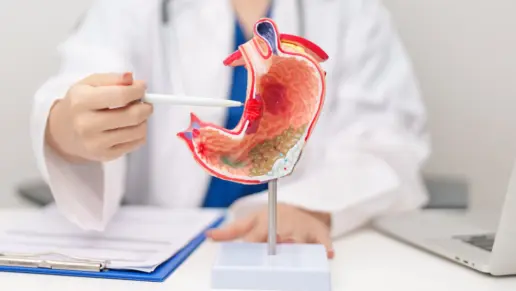
Alcohol and bloating can be related. Alcohol irritates and weakens the protective mucosal lining of the stomach, raising acid production and triggering inflammation, which is called gastritis. Bloating, nausea, and abdominal discomfort are common results of this process.1
Ongoing alcohol use can lead to chronic or recurring gastritis, which can, in turn, progress to ulcers.2
Slowed Digestion
Alcohol slows gastric emptying in your body. This means that food sits in the stomach longer and ferments, producing additional gas and discomfort.
Dehydration and Fluid Retention
Alcohol is a diuretic, meaning it causes the kidneys to increase the production of urine. The resulting dehydration triggers a counter-response where the body retains sodium and water, producing the puffy “alcohol face” and abdominal bloating most noticeable the morning after drinking.
Gas From Carbonation and Fermentation
Many alcoholic drinks, such as beer, sparkling wine, and carbonated mixers, add carbon dioxide directly to the stomach, causing the bloating and gas associated with drinking.
Alcohol also disrupts the gut microbiome, increasing fermentation by gas-producing bacteria.3
Gastritis
Alcohol irritates and weakens the stomach’s protective lining, triggering inflammation and raising acid production. Bloating, nausea, and abdominal discomfort are the result.
Fluid Retention
Alcohol acts as a diuretic. The dehydration it causes triggers a counter-response: the body retains sodium and water, producing the puffy face and abdominal swelling most noticeable the morning after drinking.
Call A Treatment Provider
For a conversation about what treatment options are available to you.
Make a Call
 800-985-8516
 Sponsored Helpline
Which Alcoholic Drinks Cause the Most Bloating?
Beer and sparkling wines carry the greatest bloating risk because they combine carbonation with fermentable carbohydrates. Sugary mixed drinks and dessert wines fall in the middle range. Dry wines and clear spirits with still mixers cause the least bloating, though no alcoholic drink eliminates the risk of GI irritation entirely.
What can I drink that won’t make me bloat? Here is the ranking of common drinks by how likely they are to cause bloating:
- Beer and sparkling wines have the highest risk of bloating due to their carbonation and fermentable carbohydrates.
- Sugary cocktails and mixed drinks carry a slightly lower but still high risk of bloating due to added sugar (which feeds gas-producing bacteria) and carbonated mixers.
- Sweet or dessert wines carry a moderate risk of bloating due to residual sugars.
- Dry wines and clear spirits with still mixers have a lower risk of bloating but still cause dehydration and gut irritation.
While some drinks may cause less bloating than others, the best way to avoid bloating from alcohol is to drink little or none at all.
How to Relieve Alcohol Bloating
The most effective treatment for alcohol bloating is time combined with consistent hydration, and most cases clear up within one to two days. Over-the-counter medications can help manage specific symptoms like trapped gas or acid while the body recovers. The only lasting solution is reducing how often and how much you drink.
The most effective intervention to relieve bloating is time and hydration. There are other remedies you can try to obtain relief.
Hydrate
One of the best things you can do is drink water steadily during and after drinking, and throughout the following day. This will ease fluid retention and dilute stomach acid. Most bloating from alcohol will subside with proper hydration and time.
Over-the-Counter Medications
You can try some OTC medications to find relief as well. Antacids will treat acid and burning symptoms, while simethicone (Gas-X) will help with trapped gas. Keep in mind that these medicines only treat symptoms, not the underlying cause of bloating.4
Eating Habits
Eating smaller meals can help reduce bloating. Foods that can help with bloating include:
- Lean proteins
- Easily digestible grains like rice and oatmeal
- Cooked vegetables
Avoid foods that worsen bloating, such as:
- Foods high in fat
- High-sodium foods
- Ultra-processed items
Movement
Adding movement to your day can also help with bloating. Try light walking or gentle exercise to support digestion and circulation.
Sleep
Getting adequate sleep helps the gut and the body’s fluid regulation recover.
The most reliable fix to bloating from alcohol is to reduce how often and how much you drink. Bloating that resolves between drinking sessions often returns each time, so ongoing relief almost always requires drinking less.
When Alcohol Bloating Signals Something Serious
Most alcohol-related bloating resolves on its own with time and hydration. When bloating is persistent, severe, or accompanied by other symptoms, it may indicate a serious GI or liver condition that requires medical evaluation. Knowing the warning signs helps you determine when it is time to seek care.
While bloating is a common experience after a night out drinking, there are also situations in which bloating could be a sign of advanced GI or liver disease. Ordinary bloating should resolve with time and hydration, but persistent or severe bloating may require further assessment.
So, when is bloating a sign that I need help?
Warning signs that warrant prompt medical attention include:5
- Abdominal swelling that does not subside between drinking sessions
- Yellowing of the skin or eyes (jaundice)
- Black, tarry or bloody stools
- Vomiting blood
- Persistent pain
- Unexplained weight loss
- Fever
- Severe abdominal pain that radiates to the back (possible pancreatitis)
If you are experiencing any of these symptoms or are concerned that your bloating could be signaling health issues, talk to a primary care provider or a gastroenterologist. They can assess your condition and discuss a treatment plan tailored to your needs.

When to Talk to Someone About Your Drinking
Recurring bloating that follows a regular drinking pattern is a useful signal worth paying attention to. If drinking is also becoming difficult to control, or is continuing despite negative consequences in your life, these may be signs of alcohol use disorder. Alcohol use disorder is treatable, and a conversation with a primary care provider is a practical first step.
Alcohol can cause a wide range of side effects, and the more you drink, the more of these effects you may encounter. Recurring bloating that follows a drinking pattern is itself a useful signal to pay attention to, or at least check in with yourself about your drinking behaviors.
Chronic bloating after every drinking session is worth taking seriously. It often signals that the gut is taking ongoing damage even when other symptoms are not yet present.
If you have persistent stomach problems alongside any of the following, it could be a sign of alcohol use disorder (AUD):
- Difficulty cutting back on drinking
- Morning drinking
- Drinking despite the consequences it has on your life
The good news is that AUD is treatable. The earlier treatment starts, the better the outcomes. If you are noticing some of these signs or wondering if you have AUD, start a conversation with a primary care provider about what treatment options might be best for you.
Treatments for AUD can include:
- Medications such as naltrexone or acamprosate
- Therapeutic interventions such as cognitive behavioral therapy or motivational interviewing
- Peer support groups like SMART Recovery
- 12-step programs like AA
- Group therapy
- Family therapy
You can also call the SAMHSA National Helpline at 1-800-662-HELP to speak to a professional about next steps.
Frequently Asked Questions
Typical bloating from a single drinking session resolves within a day or two with hydration and rest. Bloating from chronic gastritis can persist for weeks and usually only resolves with reduced or no alcohol use plus medical treatment.
Yes. Alcohol is calorie-dense (around 7 calories per gram) and lowers inhibitions around food. The resulting weight gain, especially around the abdomen, can be mistaken for bloating.
Many people see a noticeable reduction in abdominal bloating and weight within weeks of stopping or significantly cutting back. However, long-term fat loss requires the usual diet-and-exercise approach.
Find Addiction Treatment Centers
Finding facilities near you…
Sources
- National Institute on Alcohol Abuse and Alcoholism. Alcohol’s effects on health. National Institutes of Health. 2025. https://www.niaaa.nih.gov/alcohols-effects-health/alcohols-effects-body. Accessed August 20, 2026.
- What to know about alcohol bloating. Medical News Today. 2023. https://www.medicalnewstoday.com/articles/325778. Accessed August 20, 2026.
- How does alcohol affect the microbiome? MD Anderson Cancer Center. 2024. https://www.mdanderson.org/cancerwise/how-does-alcohol-affect-the-microbiome.h00-159696756.html. Accessed August 20, 2026.
- Bloating remedies: 6 quick fixes and 7 longer-term strategies. Cleveland Clinic. 2024. https://health.clevelandclinic.org/how-to-get-rid-of-bloating. Accessed August 20, 2026.
- National Institute on Alcohol Abuse and Alcoholism. Medical complications: common alcohol-related concerns. National Institutes of Health. https://www.niaaa.nih.gov/health-professionals-communities/core-resource-on-alcohol/medical-complications-common-alcohol-related-concerns. Accessed August 20, 2026.