















































































































About August Aichhorn Center – Adolescent Residential Care
Previously, the August Aichorn Center for Adolescent Residential Care offered treatment to adolescents with the most severe emotional and behavioral challenges, including co occurring substance use disorder. They no longer provide direct services, however, and instead study residential treatment and teach providers to better shape the field. They were based in New York City, New York.
Former Treatment Option for Severe Needs
In many ways, this center served as an alternative to long term hospitalization and incarceration. It’s sadly the case that those with a long history of mental health and addiction challenges often can’t find placement elsewhere. Other programs to help severe cases still exist, so don’t give up your search.
Total Support for Change
Programs at this location weren’t just about treating symptoms for SUD or behavioral concerns. Because their clients had such difficult pasts, their focus included support in a number of areas, like education. The ultimate goal was to get teens where they needed to be to function among their peers and in their communities.
The good news is, extra services like these aren’t uncommon or limited to such severe cases. If you’re looking to get your teen SUD treatment in a residential setting, keep an eye out for programs that have broad life skill support so they can continue to grow, even in treatment.
Breaking the Criminal Cycle
Crime, addiction related or not, risks creating a cycle of incarceration and reoffending. This program and many others like it worked with the legal system to break this cycle through direct care and counseling that addressed the behaviors that led to offending in the first place. I think programs like this are important because they can seriously turn lives around at any age.
Addiction Research in Manhattan Valley
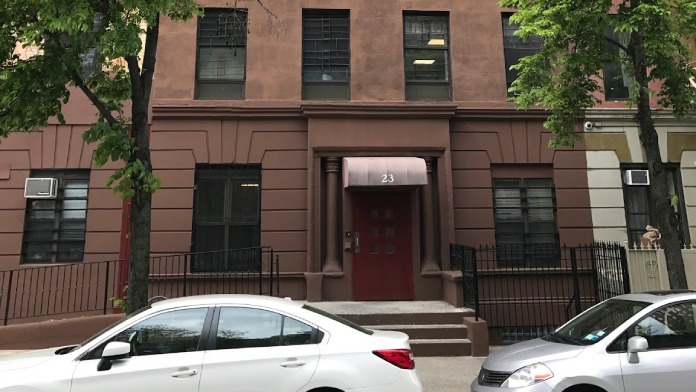
When this treatment center was operating, they were based in the Manhattan Valley neighborhood on the corner of West 105th Street and Manhattan Avenue. They were just a block away from Central Park near the Great Hill and a few blocks from Morningside Park as well.
Facility Overview
 56
56 
Rehab Score
 Our Methodology


Gallery
Other Forms of Payment
Medicaid is a state based program that helps lower-income individuals and families pay for healthcare. Medicaid covers addiction treatment so those enrolled can use their coverage to pay for rehab. When a program accepts Medicaid the client often pays very little or nothing out of their own pocket.
Addiction Treatments
Levels of Care
Residential treatment programs are those that offer housing and meals in addition to substance abuse treatment. Rehab facilities that offer residential treatment allow patients to focus solely on recovery, in an environment totally separate from their lives. Some rehab centers specialize in short-term residential treatment (a few days to a week or two), while others solely provide treatment on a long-term basis (several weeks to months). Some offer both, and tailor treatment to the patient's individual requirements.
Treatments
Mental health rehabs focus on helping individuals recover from mental illnesses like bipolar disorder, clinical depression, anxiety disorders, schizophrenia, and more. Mental health professionals at these facilities are trained to understand and treat mental health issues, both in individual and group settings.
Clinical Services
Cognitive Behavioral Therapy (CBT) is a therapy modality that focuses on the relationship between one's thoughts, feelings, and behaviors. It is used to establish and allow for healthy responses to thoughts and feelings (instead of unhealthy responses, like using drugs or alcohol). CBT has been proven effective for recovering addicts of all kinds, and is used to strengthen a patient's own self-awareness and ability to self-regulate. CBT allows individuals to monitor their own emotional state, become more adept at communicating with others, and manage stress without needing to engage in substance abuse.
Experiential therapy is a form of therapy in which clients are encouraged to surface and work through subconscious issues by engaging in real-time experiences. Experiential therapy departs from traditional talk therapy by involving the body, and having clients engage in activities, movements, and physical and emotional expression. This can involve role-play or using props (which can include other people). Experiential therapy can help people process trauma, memories, and emotion quickly, deeply, and in a lasting fashion, leading to substantial and impactful healing.
Group therapy is any therapeutic work that happens in a group (not one-on-one). There are a number of different group therapy modalities, including support groups, experiential therapy, psycho-education, and more. Group therapy involves treatment as well as processing interaction between group members.
In individual therapy, a patient meets one-on-one with a trained psychologist or counselor. Therapy is a pivotal part of effective substance abuse treatment, as it often covers root causes of addiction, including challenges faced by the patient in their social, family, and work/school life.
Nutrition therapy, aka medical nutrition therapy (MNT), is a way of treating physical, emotional, and medical conditions through diet. Specific dietary plans are designed by professional nutritionists or registered dietitians, and patients follow them in order to positively affect their physical and mental health.
Contact Information


23 West 106th street
New York, NY 10025
Sponsored Helpline


