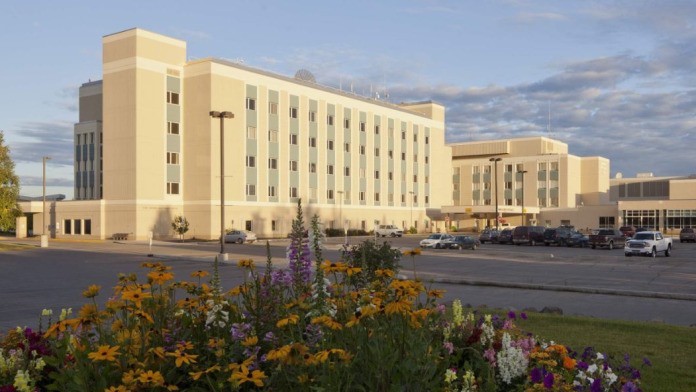
Copper River Native Association - Behavioral Health
1
Top 10 Rehab Centers In Copper Center



















































































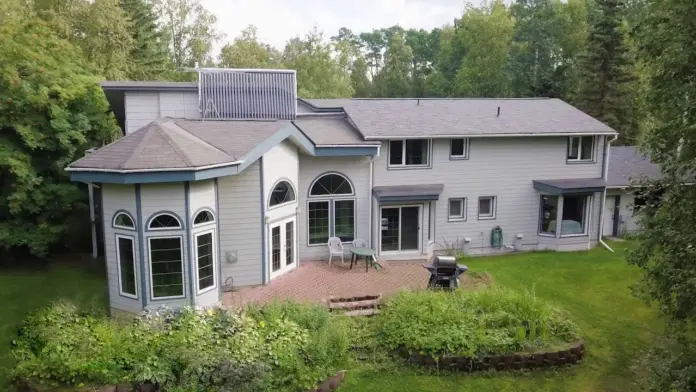
Banyan Alaska provides outpatient treatment for substance use and mental health disorders, offering personalized care plans for both civilians and military personnel. Our programs address substance use, mental health, and co-occurring disorders through evidence-based, compassionate treatment.
As a trusted behavioral health provider in Alaska, we are committed to continuity of care and ongoing post-treatment support, helping individuals and families build a strong foundation for lasting recovery and improved mental well-being.


 Our Methodology


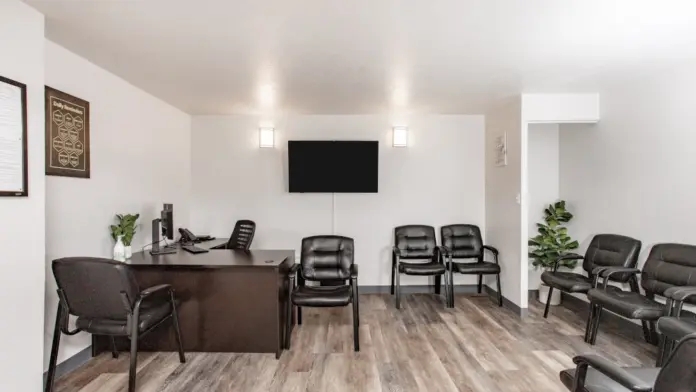
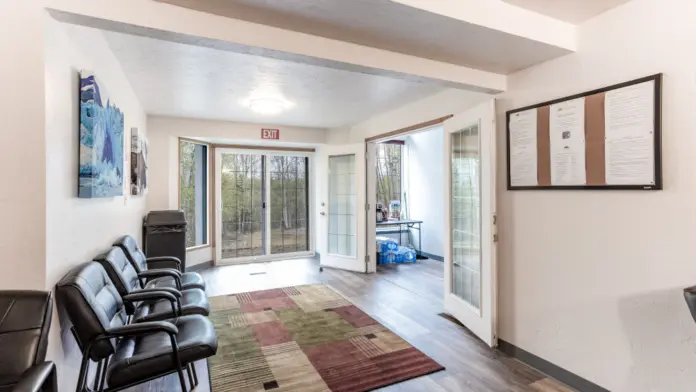
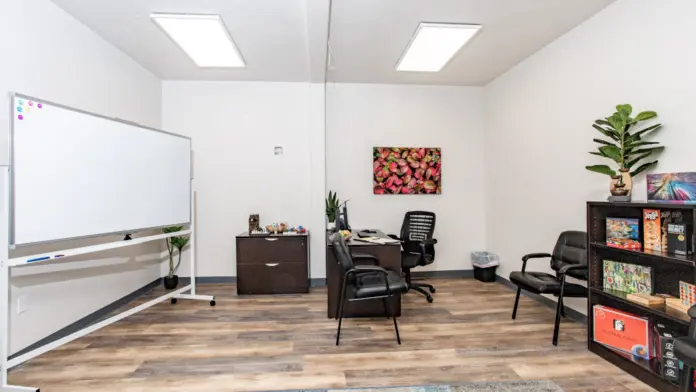
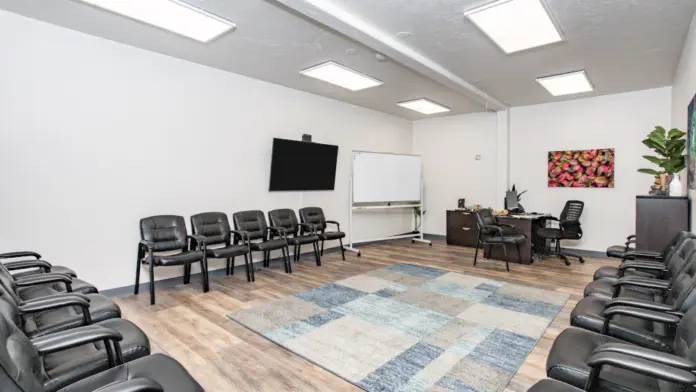
Medicaid is a state based program that helps lower-income individuals and families pay for healthcare. Medicaid covers addiction treatment so those enrolled can use their coverage to pay for rehab. When a program accepts Medicaid the client often pays very little or nothing out of their own pocket.
Military members, veterans, and eligible dependents have access to specific insurance programs that help them get the care they need. TRICARE and VA insurance can help you access low cost or no cost addiction and mental health treatment. Programs that accept military insurance often have targeted treatment focused on the unique challenges military members, veterans, and their families face.
Private insurance refers to any kind of healthcare coverage that isn't from the state or federal government. This includes individual and family plans offered by an employer or purchased from the Insurance Marketplace. Every plan will have different requirements and out of pocket costs so be sure to get the full details before you start treatment.
Self-pay involves paying for treatment out of your own pocket. You can use savings or credit, get a personal loan, or receive help from family and friends to fund your treatment. If you don't have insurance or your insurance plan doesn't cover a specific program, self-pay can help ensure you still get the care you need.
The partial hospitalization program (PHP) provides intensive care for those who don't require 24-hour care and can serve as a step down from residential programming. PHP treatments typically include behavioral therapies, relapse prevention, and medication management. individual therapy, group counseling, family involvement, educational sessions, and skill-building activities. PHP treatment is often covered by insurance and typically requires a weekly minimum of 20 hours. Depending on your needs, the duration of a partial hospitalization program can last for 90 days.
Clients engaged in intensive outpatient programs (IOP) receive between nine and 20 hours of outpatient treatment per week. Intensive outpatient drug rehabs offer a wide variety of services, including medication assisted treatment (MAT), individual, group, and family counseling, and evidence-based complementary care, such as acupuncture, massage, and meditation. The intensity and frequency of treatment generally decreases as clients progress in their recovery. Clients often transition into IOP from inpatient rehab but may choose IOP instead of inpatient treatment.
Clients engaged in an outpatient rehab program receive regular therapeutic care while continuing to live at home. Outpatient care is designed for clients in more advanced stages of recovery who no longer require intensive supervision. Many clients in outpatient treatment continue to work or attend school, while receiving counseling and education during the evening, night, or weekend. Levels of care vary based on clients' needs, ranging from partial hospitalization (PHP) and intensive outpatient (IOP) to standard outpatient programming.
Clients engaged in a rehab aftercare program receive robust wraparound care designed to evolve with the clients' changing needs. The client's case manager, healthcare providers, and addiction recovery team partner with the client to develop a rehab aftercare plan that supports the client's long-term recovery and meets their unique goals. Drug rehab aftercare often encompasses a wide variety of services, such as peer coaching, career counseling, and 12 step program induction.
Sometimes called telemedicine, telehealth lets you consult with your healthcare provider without visiting their office. You can attend an appointment from anywhere, using your smartphone or other device to connect with your provider online.
Alcohol use disorder (AUD) encompasses the conditions often referred to as alcoholism, alcohol abuse, alcohol dependence, and alcohol addiction. If someone is addicted to alcohol, they continue to drink, even when experiencing negative consequences. But alcohol rehab in Alaska can help you overcome alcohol dependency. Treatment typically involves evidence-based therapies and support groups, but may also include medications to treat alcohol addiction.
During drug rehab in Alaska, you'll receive a combination of medical and psychotherapeutic treatments that are designed to treat drug dependency. The goal of drug rehab is to break this dependency and help you develop the skills to maintain a drug-free life.
 Opioid Addiction
In Alaska, substance abuse treatment programs provide a full spectrum of addiction care, which may include detox, residential, and intensive outpatient programs. These programs incorporate evidence-based therapies such as cognitive-behavioral therapy (CBT), dialectical behavior therapy (DBT), trauma-focused therapy, and mindfulness-based therapy. You'll learn emotional regulation skills, new coping strategies, and develop a supportive recovery community, which are essential components of long-term recovery.
Alaska provides specialized dual-diagnosis addiction treatment, including outpatient, inpatient, and partial hospitalization programs, which address mental health and substance use disorders. You can generally expect a dual-diagnosis rehab to incorporate evidence-based therapies, such as cognitive-behavioral therapy (CBT), dialectical behavior therapy (DBT), trauma-focused therapy, and mindfulness-based therapy. When combined, these programs and therapeutic interventions can successfully address co-occurring disorders to improve mental health and well-being.
During inpatient addiction treatment, you live at the facility while receiving mental health services. Around the clock supervision by clinical and mental health providers creates a safe environment–whether it's in a hospital, clinic, or luxury facility. Most inpatient programs last 30 days, but some last several months. Mental health programs include assessment, individual and group counseling, education on addiction recovery, relapse prevention, and training in emotional regulation.
Cognitive behavioral therapy in Alaska is often used in the treatment of substance abuse and co occurring mental health disorders. This method of talk therapy is one of the most effective methods of treating these disorders.
 Eye Movement Desensitization and Reprocessing
Men and women who struggle with drug addiction benefit from group therapy. These sessions offer the opportunity to share experiences and learn coping strategies from their peers. Participants share similar struggles that can help foster mutual support and understanding.
People in Alaska seeking individual therapy for drug addiction receive personalized support to explore the root causes of their substance abuse. Your therapist guides you in developing healthier coping mechanisms and setting realistic goals. Your therapist also uses a customized approach to improve the effectiveness of the treatment and promote sustainable recovery.
Life skills development is a crucial part of rehab in Alaska. Developing these skills will help you have success in daily life, so you are less likely to relapse and can live an independent and productive life. These skills include self awareness, interpersonal skills, and thinking skills.
Basic techniques for motivational interviewing include open ended questions and reflective listening. The therapist helps you come to your own conclusions about making changes in your life without coercion or judgment.
Recreational therapy helps people who are recovering from addiction engage in structured activities that raise their self esteem and resilience. These activities could include hiking, team sports, and creative arts. They help divert focus away from substance use while improving your physical fitness. This provides a constructive outlet for stress and emotions.
During trauma therapy, you address traumatic memories within a supportive environment guided by your therapist. This helps you develop healthier coping mechanisms and reduces the emotional impact of the trauma. Overall, it improves your mental health and well being.
 Hiking
  Mountain Views
The Joint Commission, formerly known as JCAHO, is a nonprofit organization that accredits rehab organizations and programs. Founded in 1951, the Joint Commision's mission is to improve the quality of patient care and demonstrating the quality of patient care.
Joint Commission Accreditation: Yes

LegitScript has reviewed Banyan Alaska as part of their certification program, and has determined that it meets the LegitScript standards for legality, safety and transparency.
LegitScript verified in

The National Association of Addiction Treatment Providers (NAATP) is a professional association that represents organizations in the field of addiction services. Founded in 1978, NAATP's mission is to advance addiction services and ensure that high-quality addiction treatment is available and accessible.
NAATP Member: Yes
Rehab.com regularly reviews this listing for accuracy but changes may occur between updates. For the most up-to-date information, please contact Banyan Alaska.

4750 Begich Cir
Wasilla, AK 99654
Sponsored Helpline
 Back
Back
Sharing your insights and experiences can help others learn more about this rehab center.