




























































































About Center for Discovery Thousand Oaks
Adults of all genders come to Center for Discovery for residential care or partial hospitalization, and the residential program treats eating disorders as the primary diagnosis, along with co. occurring mental health conditions.
It is an eating disorder treatment center in Thousand Oaks, California,
Therapies Used for Eating Disorders
The center uses cognitive behavioral therapy, exposure and response prevention, and dialectical behavior therapy.
Exposure and response prevention asks a person to stay with the situations and foods they have been avoiding.
CBT goes after the thoughts about food, body and eating that set those behaviors off.
While DBT adds skills for staying steady when distress runs high.
Insurance Accepted at Thousand Oaks
The center takes insurance, credit cards, eChecks and cash, and HSA and FSA debit cards.
Commercial rehab insurance differs from plan to plan in what it pays toward a residential stay, so the plan decides how much lands on a family.
The Thousand Oaks location also offers free eating disorder support groups online, and the campus sits near the mountains.
Latest Reviews



Rehab Score
 Our Methodology


Gallery

Accepted Insurance


Other Forms of Payment
Private insurance refers to any kind of healthcare coverage that isn't from the state or federal government. This includes individual and family plans offered by an employer or purchased from the Insurance Marketplace. Every plan will have different requirements and out of pocket costs so be sure to get the full details before you start treatment.
Self-pay involves paying for treatment out of your own pocket. You can use savings or credit, get a personal loan, or receive help from family and friends to fund your treatment. If you don't have insurance or your insurance plan doesn't cover a specific program, self-pay can help ensure you still get the care you need.
Military members, veterans, and eligible dependents have access to specific insurance programs that help them get the care they need. TRICARE and VA insurance can help you access low cost or no cost addiction and mental health treatment. Programs that accept military insurance often have targeted treatment focused on the unique challenges military members, veterans, and their families face.
Addiction Treatments
Levels of Care
You'll find residential treatment here for all genders, and you need to be 18 or older to be a patient.
Partial hospitalization is offered alongside residential treatment, for all genders, and you'll need to be 18 or older to join.
Treatments
Many of those suffering from addiction also suffer from mental or emotional illnesses like schizophrenia, bipolar disorder, depression, or anxiety disorders. Rehab and other substance abuse facilities treating those with a dual diagnosis or co-occurring disorder administer psychiatric treatment to address the person's mental health issue in addition to drug and alcohol rehabilitation.
Programs
You can enroll if you're 18 or older, and the program takes all genders, not a single gender.
Young adulthood can be an exciting, yet difficult, time of transition. Individuals in their late teens to mid-20s face unique stressors related to school, jobs, families, and social circles, which can lead to a rise in substance use. Rehab centers with dedicated young adult programs will include activities and amenities that cater to this age group, with an emphasis on specialized counseling, peer socialization, and ongoing aftercare.
Clinical Services
Cognitive behavioral therapy is offered here, and so are dialectical behavior therapy and exposure and response prevention.
Creativity is inherently healing, and can help those in recovery express thoughts or feelings they might not otherwise be able to. Creative arts therapy can include music, poetry/writing, painting, sculpting, dance, theater, sandplay, and more. Unlike traditional art, the final product matters far less than the experience of creation and expression itself.
Dialectical Behavior Therapy (DBT) is a modified form of Cognitive Behavioral Therapy (CBT), a treatment designed to help people understand and ultimately affect the relationship between their thoughts, feelings, and behaviors. DBT is often used for individuals who struggle with self-harm behaviors, such as self-mutilation (cutting) and suicidal thoughts, urges, or attempts. It has been proven clinically effective for those who struggle with out-of-control emotions and mental health illnesses like Borderline Personality Disorder.
Eating disorders include anorexia, bulimia, binge eating, and dysfunctional eating patterns. Many psychologists and other mental health professionals consider eating disorders to be food addictions, meaning food is being used in an addictive way (similar to drug or alcohol addiction). Certain substance abuse treatment programs will have treatment for eating disorders as one of the services offered. An eating disorder may also present as a co-occuring disorder or dual diagnosis alongside drug and alcohol addiction.
Experiential therapy is a form of therapy in which clients are encouraged to surface and work through subconscious issues by engaging in real-time experiences. Experiential therapy departs from traditional talk therapy by involving the body, and having clients engage in activities, movements, and physical and emotional expression. This can involve role-play or using props (which can include other people). Experiential therapy can help people process trauma, memories, and emotion quickly, deeply, and in a lasting fashion, leading to substantial and impactful healing.
Amenities
-
 Residential Setting
 -
 Yoga Studio
Staff & Accreditations
Staff
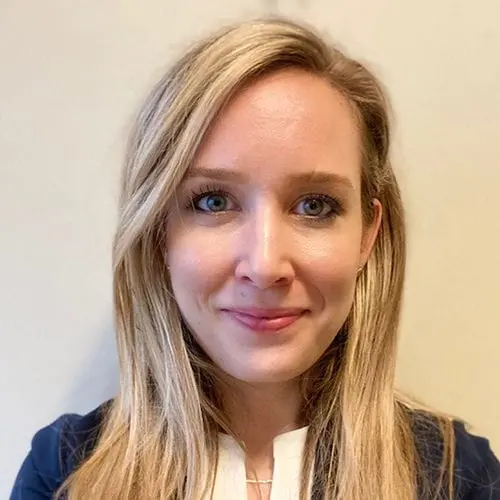
Jillian Clark
Regional Director
Accreditations

The Joint Commission, formerly known as JCAHO, is a nonprofit organization that accredits rehab organizations and programs. Founded in 1951, the Joint Commision's mission is to improve the quality of patient care and demonstrating the quality of patient care.
Joint Commission Accreditation: Yes
Rehab.com regularly reviews this listing for accuracy but changes may occur between updates. For the most up-to-date information, please contact Center for Discovery Thousand Oaks.
Contact Information


228 Rimrock Road
Thousand Oaks, CA 91361
Sponsored Helpline

