





























































































About Clermont County VA Clinic
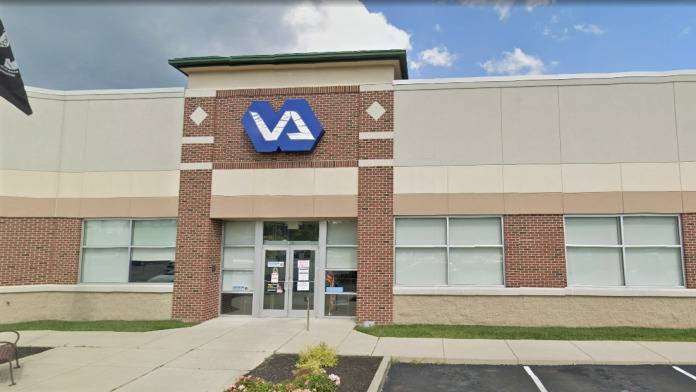
Clermont County VA Clinic is part of the large network of VA Cincinnati health services hub. This is an outpatient clinic located in Cincinnati, Ohio, and serves veterans, active military and their families. The clinic is open from 7:30 a.m. to 4:30 p.m. and has free parking.
The clinic offers mental health and substance use disorder treatment services, as well as many other primary and specialty care services.
The clinic is about 20 miles from downtown Cincinnati and easily accessible by major roadways. Individuals can use their VA benefits and private insurance, as well as Medicaid and Medicare, to pay for treatment services.
Nutrition & Dietary Care
Individuals dealing with mental health and addiction issues often neglect their physical health. There are many supportive services at this clinic, such as nutrition and dietary care. Addiction depletes necessary nutrients from the body, and the registered dieticians can help you get your nutrition back on track.
Smoking and Tobacco Cessation
Smoking is a difficult addiction to quit, and the clinic has programs to address that. They use FDA approved medications and offer counseling and coping strategies to stay smoke-free. The clinic has a mobile app coach to assist with smoking cessation.
Latest Reviews



Rehab Score
 Our Methodology


Gallery
Other Forms of Payment
Private insurance refers to any kind of healthcare coverage that isn't from the state or federal government. This includes individual and family plans offered by an employer or purchased from the Insurance Marketplace. Every plan will have different requirements and out of pocket costs so be sure to get the full details before you start treatment.
Self-pay involves paying for treatment out of your own pocket. You can use savings or credit, get a personal loan, or receive help from family and friends to fund your treatment. If you don't have insurance or your insurance plan doesn't cover a specific program, self-pay can help ensure you still get the care you need.
Financial aid can take many forms. Centers may have grants or scholarships available to clients who meet eligibility requirements. Programs that receive SAMHSA grants may have financial aid available for those who need treatment as well. Grants and scholarships can help you pai for treatment without having to repay.
Military members, veterans, and eligible dependents have access to specific insurance programs that help them get the care they need. TRICARE and VA insurance can help you access low cost or no cost addiction and mental health treatment. Programs that accept military insurance often have targeted treatment focused on the unique challenges military members, veterans, and their families face.
Medicaid is a state based program that helps lower-income individuals and families pay for healthcare. Medicaid covers addiction treatment so those enrolled can use their coverage to pay for rehab. When a program accepts Medicaid the client often pays very little or nothing out of their own pocket.
Medicare is a federal program that provides health insurance for those 65 and older. It also serves people under 65 with chronic and disabling health challenges. To use Medicare for addiction treatment you need to find a program that accepts Medicare and is in network with your plan. Out of pocket costs and preauthorization requirements vary, so always check with your provider.
Addiction Treatments
Levels of Care
Outpatient Programs (OP) are for those seeking mental rehab or drug rehab, but who also stay at home every night. The main difference between outpatient treatment (OP) and intensive outpatient treatment (IOP) lies in the amount of hours the patient spends at the facility. Most of the time an outpatient program is designed for someone who has completed an inpatient stay and is looking to continue their growth in recovery. Outpatient is not meant to be the starting point, it is commonly referred to as aftercare.
Clients who have just completed detox or who are at an increased risk of relapse, such as those experiencing a life crisis, typically enroll in an inpatient rehab. There, they receive housing, meals, and intensive clinical supervision. Inpatient treatment typically involves extensive individual, group, and family therapy. Clients may also participate in life skills training to support their long-term sobriety. Integrative rehab centers offer a variety of evidence-based holistic therapies, such as meditation or equine therapy.
Many treatment centers base their recovery models on the 12 step programming standard, which combines intensive peer support with spiritual, psychological, and emotional growth. Participants in 12 step recovery programs are expected to regularly attend group meetings, which are free, anonymous, peer-led, and open to the public. They are also required to select a sponsor to guide them through the recovery journey. These programs deploy spiritual principles to foster participants' self-understanding, forgiveness, acceptance, and accountability.
Grant and Per Diem (GPD) offers transitional housing, for up to two years per episode of care, to Veterans. It is important to note that GPD can offer housing to Veterans who are not eligible for VA medical services. They currently have 164 beds in Hamilton County: 63 at Joseph House; 50 at Volunteers of America in Mt. Healthy; 15 at Goodwill; 18 at Mt. Airy, 15 at Drop Inn Center, and 3 beds for female Veterans at the Brighton Recovery Center in Florence, KY.
Treatments
The goal of treatment for alcoholism is abstinence. Those with poor social support, poor motivation, or psychiatric disorders tend to relapse within a few years of treatment. For these people, success is measured by longer periods of abstinence, reduced use of alcohol, better health, and improved social functioning. Recovery and Maintenance are usually based on 12 step programs and AA meetings.
Drug rehab in Ohio provides comprehensive treatment to address the physical and psychological needs of those struggling with substance use disorders. This may involve inpatient and/or outpatient care.
The Intensive Dual Diagnosis Treatment program provides outpatient services to Veterans who suffer from co-occurring substance use and serious psychiatric disorders. Group and individual therapy are provided, including insight-oriented therapy, supportive therapy, skill-building, and trauma work. Particular focus is on a multidisciplinary team approach to treatment.
A combined mental health and substance abuse rehab has the staff and resources available to handle individuals with both mental health and substance abuse issues. It can be challenging to determine where a specific symptom stems from (a mental health issue or an issue related to substance abuse), so mental health and substance abuse professionals are helpful in detangling symptoms and keeping treatment on track.
Opioid rehabs specialize in supporting those recovering from opioid addiction. They treat those suffering from addiction to illegal opioids like heroin, as well as prescription drugs like oxycodone. These centers typically combine both physical as well as mental and emotional support to help stop addiction. Physical support often includes medical detox and subsequent medical support (including medication), and mental support includes in-depth therapy to address the underlying causes of addiction.
Programs
Adult rehab programs include therapies tailored to each client's specific needs, goals, and recovery progress. They are tailored to the specific challenges adult clients may face, including family and work pressures and commitments. From inpatient and residential treatment to various levels of outpatient services, there are many options available. Some facilities also help adults work through co-occurring conditions, like anxiety, that can accompany addiction.
Young adulthood can be an exciting, yet difficult, time of transition. Individuals in their late teens to mid-20s face unique stressors related to school, jobs, families, and social circles, which can lead to a rise in substance use. Rehab centers with dedicated young adult programs will include activities and amenities that cater to this age group, with an emphasis on specialized counseling, peer socialization, and ongoing aftercare.
The Cincinnati VAMC is committed to providing top quality care to all Veterans including lesbian, gay, bisexual, and transgender (LGBT) Veterans. They recognize that diverse populations have distinctive needs, and are training their staff in culturally and clinically-competent care for LGBT Veterans. They are focused on providing the most respectful health care environment possible.
Serving in the military is both mentally and physically challenging, and can result in trauma that persists even after combat ends. Military programs are tailored to the specific and often complex needs of active duty personnel, veterans, and military families. Clients often access these programs through the U.S. Department of Veterans Affairs (VA).
Clinical Services
Cognitive Behavioral Therapy (CBT) is a therapy modality that focuses on the relationship between one's thoughts, feelings, and behaviors. It is used to establish and allow for healthy responses to thoughts and feelings (instead of unhealthy responses, like using drugs or alcohol). CBT has been proven effective for recovering addicts of all kinds, and is used to strengthen a patient's own self-awareness and ability to self-regulate. CBT allows individuals to monitor their own emotional state, become more adept at communicating with others, and manage stress without needing to engage in substance abuse.
Dialectical Behavior Therapy (DBT) is a modified form of Cognitive Behavioral Therapy (CBT), a treatment designed to help people understand and ultimately affect the relationship between their thoughts, feelings, and behaviors. DBT is often used for individuals who struggle with self-harm behaviors, such as self-mutilation (cutting) and suicidal thoughts, urges, or attempts. It has been proven clinically effective for those who struggle with out-of-control emotions and mental health illnesses like Borderline Personality Disorder.
Group therapy is any therapeutic work that happens in a group (not one-on-one). There are a number of different group therapy modalities, including support groups, experiential therapy, psycho-education, and more. Group therapy involves treatment as well as processing interaction between group members.
In individual therapy, a patient meets one-on-one with a trained psychologist or counselor. Therapy is a pivotal part of effective substance abuse treatment, as it often covers root causes of addiction, including challenges faced by the patient in their social, family, and work/school life.
Each program provides assessment and brief treatment of PTSD. The trauma is addressed using Cognitive Processing Therapy in individual and group sessions. Additional therapy groups include Anger Management, Relaxation Skill Training, Assertiveness Training, Distress Tolerance, Communication Training, Sleep Management, and Health Issues.
Research clearly demonstrates that recovery is far more successful and sustainable when loved ones like family members participate in rehab and substance abuse treatment. Genetic factors may be at play when it comes to drug and alcohol addiction, as well as mental health issues. Family dynamics often play a critical role in addiction triggers, and if properly educated, family members can be a strong source of support when it comes to rehabilitation.
The Cincinnati VA Medical Center’s Community Employment Services provides information, pre-employment assessment and workforce re-entry planning services, linkage, and coordination for VA and non-VA services, and community based follow-up services to integrate Veterans into the community through competitive employment. The Compensated Work Therapy program (CWT) provides vocational opportunities for Veterans seeking employment.
The Treatment Recovery and Activity Center (TRAC) program focuses on Veterans’ Strengths Needs Abilities and Preferences and is considered the last link between the hospital and the community. The program can help Veterans cope with mental illness, deal with activities of daily living, adjust to life’s challenges, develop the skills to live life to the fullest, and avoid hospitalization.
Amenities
-
 Residential Setting
 -
 Private Rooms
Staff & Accreditations
Staff
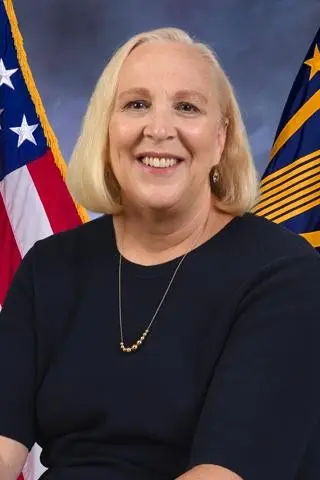
Jane Johnson
Executive Medical Center Director
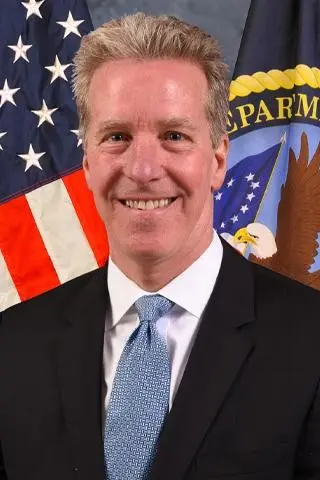
Jim Hall, PsyD, MBA
Associate Director
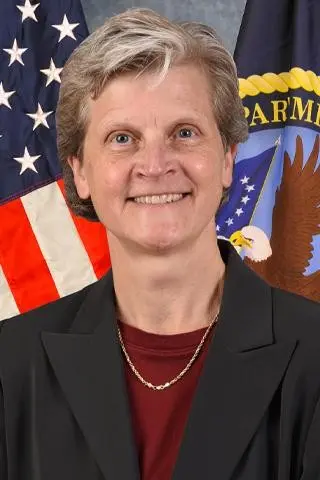
Dr. Robin Hemphill
Chief of Staff
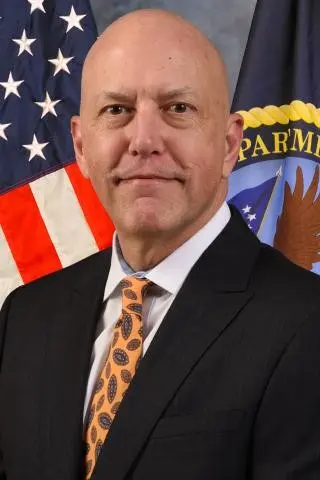
Chris Schweighardt, RN, MSN
Associate Director of Patient Care Services
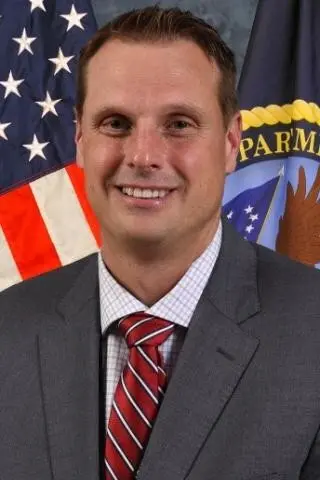
Benjamin Dillon, MBA
Assistant Director
Accreditations

The Commission on Accreditation of Rehabilitation Facilities (CARF) is a non-profit organization that specifically accredits rehab organizations. Founded in 1966, CARF's, mission is to help service providers like rehab facilities maintain high standards of care.
CARF Accreditation: Yes
Accreditation Number: 296561

The Joint Commission, formerly known as JCAHO, is a nonprofit organization that accredits rehab organizations and programs. Founded in 1951, the Joint Commision's mission is to improve the quality of patient care and demonstrating the quality of patient care.
Joint Commission Accreditation: Yes
Accreditation Number: 2417
Rehab.com regularly reviews this listing for accuracy but changes may occur between updates. For the most up-to-date information, please contact Clermont County VA Clinic.
Contact Information


4600 Beechwood Rd
Cincinnati, OH 45209
Sponsored Helpline



