



























































































About Cumberland Heights
Still Waters for Women is a Cumberland Heights facility in Pegram, Tennessee that offers a long term residential recovery program exclusively for women seeking freedom from substance use disorders. Located just 20 minutes from Nashville on 26 wooded acres, the program provides a 12 Step immersion experience with stays ranging from 30 days to one year.
Addiction Treatment Programs at Still Waters for Women
The residential program serves as both primary treatment and extended care for women who have relapsed after prior treatment or want to go deeper into recovery principles. Clients must be 18 or older, medically and psychologically stable, and motivated for recovery.
Medical detox is not provided on-site. A Transitions Residential track offers additional structure. Women participate in daily 12-Step meetings, group discussions, lectures using approved literature and spiritual practices including mindfulness meditation and chapel services.
The program also includes monthly family phone meetings, weekly visitations, and Al-Anon orientations for loved ones. An optional six-month recovery coaching add-on provides 24 hour support, relapse prevention planning, random drug screening, and transition assistance after residential care.
What to Know About Still Waters for Women
- Program type: Long term residential treatment for 30 days to one year with 12-Step immersion and optional recovery coaching
- Payment options: Primary residential costs $350 per day with payment plans available
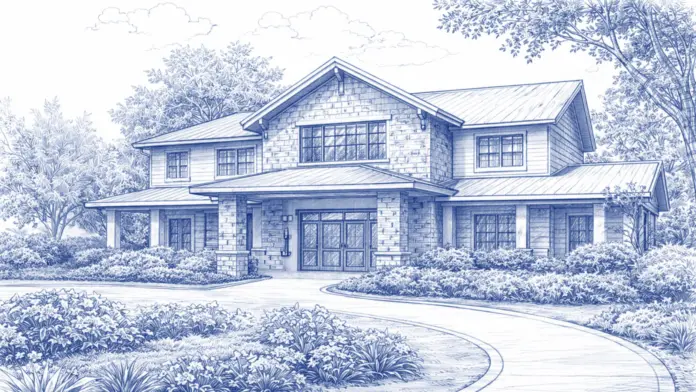
- Amenities: Three story renovated residence with large semi-private bedrooms, ensuite bathrooms, dining services, meeting rooms, and on-site staff housing
Facility Overview
 15 - 30
Rehab Score
 Our Methodology


Location
Other Forms of Payment
Private insurance refers to any kind of healthcare coverage that isn't from the state or federal government. This includes individual and family plans offered by an employer or purchased from the Insurance Marketplace. Every plan will have different requirements and out of pocket costs so be sure to get the full details before you start treatment.
Self-pay involves paying for treatment out of your own pocket. You can use savings or credit, get a personal loan, or receive help from family and friends to fund your treatment. If you don't have insurance or your insurance plan doesn't cover a specific program, self-pay can help ensure you still get the care you need.
Addiction Treatments
Levels of Care
To keep you safe and comfortable during the detoxification process, a medically assisted detox provides you with a team of medical professionals who can provide the necessary medications to treat any potential withdrawal symptoms. Suddenly stopping chronic abuse of substances like alcohol, benzodiazepines, or opioids can have uncomfortable and even dangerous side effects.
Inpatient rehabs are designed principally for clients who require intensive supervision and support, including clients who have just completed detox, clients in early recovery, and clients at an elevated risk of relapse. Inpatient treatment helps clients stabilize following detox and prepares them to step-down into outpatient and/or community-based care. Clients reside at the facility for the duration of their program and engage in extensive addiction counseling and education. Many programs also offer evidence-based complementary therapies.
Clients in intensive outpatient programs (IOP) receive robust, personalized care to support their reintegration into their community. Clients stepping down from inpatient treatment frequently enroll in IOP before entering standard outpatient care or community-based recovery programs, such as AA. Intensive outpatient treatment generally involves between nine and 20 therapeutic hours weekly, with the frequency and duration of sessions decreasing as clients stabilize. IOP services commonly include counseling, recovery education, holistic therapies, and medication assisted treatment (MAT).
Telehealth is a universal term to describe the broad range of applications that use telecommunications technology to deliver healthcare services. It encompasses multiple disciplines, including counseling, home health, disease monitoring, and physical therapy.
Treatments
Alcohol use disorder (AUD) is a treatable condition characterized by uncontrolled consumption of alcohol which continues despite negative consequences. Treatment options for alcohol addiction include inpatient or outpatient alcohol rehab in Tennessee. Therapeutic methods include group and individual therapy, medication, and holistic therapies. Aftercare is often provided through 12-step support groups, which offer ongoing accountability and encouragement.
 Opioid Addiction
When your day-to-day life is taken over by drug use, this is known as substance use disorder. If you abruptly stop using your drug of choice, you experience withdrawal symptoms. To overcome this cycle, professional drug rehab in Tennessee is usually needed.
Substance abuse treatment in Tennessee is available in addiction treatment centers, where experienced addiction professionals can treat both substance use disorders. Typically, clinicians use a range of evidence-based therapies such as a biopsychosocial assessment, cognitive-behavioral therapy, and motivational interviewing to get a complete picture of your mental health, support systems, and motivation to change. Through an individualized treatment plan, you'll receive the support you need to achieve long-term sobriety through new skills and relapse prevention strategies.
If you have a co-occurring mental health condition and an addiction, you'll want to address both conditions at the same time, under the same roof. If you only address the mental health disorder, you'll likely continue using drugs, which tends to make mental health issues even worse. On the other hand, if you only address the addiction, the symptoms of your mental health disorder will make it very hard to succeed in recovery.
In Tennessee, dual-diagnosis addiction treatment programs provide integrated care for individuals with co-occurring substance use disorders and mental health conditions. Offered on an outpatient or inpatient basis, addiction experts utilize evidence-based therapies, such as cognitive-behavioral therapy (CBT), dialectical behavior therapy (DBT), together with recovery and skills groups, to address both disorders and promote mental health. You'll also receive comprehensive aftercare planning and relapse prevention training.
Programs
Teen programs are designed to address the unique pressures teens face, pressures that can drive them to experiment with dangerous, addictive substances. They need programs that meet them exactly where they are and give them tools for long-term recovery. Therapy can help teenagers understand and work through underlying issues so they can reclaim the life ahead of them.
Adult rehab programs include therapies tailored to each client's specific needs, goals, and recovery progress. They are tailored to the specific challenges adult clients may face, including family and work pressures and commitments. From inpatient and residential treatment to various levels of outpatient services, there are many options available. Some facilities also help adults work through co-occurring conditions, like anxiety, that can accompany addiction.
Rehabs for women provide a safe, nurturing space for female clients to heal. These treatment programs consider the specific obstacles that women can face during recovery and place a special emphasis on mental, social, physical, and reproductive health. They explore how each woman's experience has shaped the trajectory of their substance use, addressing issues such as sexual abuse and past trauma.
Clinical Services
Typical cognitive behavioral therapy in Tennessee involves recognizing negative thinking and learning techniques to change that thinking and create new, positive behaviors. Strategies may include SMART goals, journaling, and situation exposure.
Creative arts therapy can be integrated with other therapeutic methods during drug rehab in Tennessee. This treatment can provide unique experiences that allow you to better understand your feelings and experiences. Methods include music, art, dance, and writing therapy.
 Equine Therapy
Trauma therapy is a safe place to work through the lingering effects of traumatic events in your life. Your therapist will help you understand the physical and emotional responses that can develop after witnessing or experiencing a traumatic event. You then work toward developing healthier coping mechanisms to reduce your symptoms.
Amenities
-
 Gym
Gym -
 Hiking
 -
 Walking Trails
 -
 Yoga Studio
Accreditations

State Licenses are permits issued by government agencies that allow rehab organizations to conduct business legally within a certain geographical area. Typically, the kind of program a rehab facility offers, along with its physical location, determines which licenses are required to operate legally.
State License: Tennessee

The Joint Commission, formerly known as JCAHO, is a nonprofit organization that accredits rehab organizations and programs. Founded in 1951, the Joint Commision's mission is to improve the quality of patient care and demonstrating the quality of patient care.
Joint Commission Accreditation: Yes
Contact Information


1020 W Sears Rd, Pegram, TN 37143
Sponsored Helpline
