











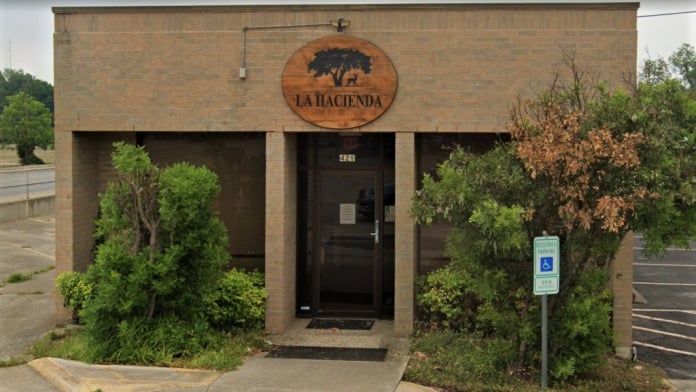
Symetria — Hurst Outpatient Rehab & Suboxone Clinic
1
Top 10 Rehab Centers In Hurst




















































































The center accepts most major insurance but they’re not in network with any providers. Though costs may vary greatly, the typical residential stay, including detox, is about $1,200 per day.
The inpatient programs include a fitness center, chef prepared nutritious meals, and private rooms with bathrooms. There’s a swimming pool, fitness center, putting green, and pickleball courts.
The center adheres to the National Institutes of Health’s research findings. These findings conclude that addiction is a brain disease, and they use evidence based treatments based on scientific data to treat you. Part of the research supports longer treatment stays for the best chance of full recovery.
Every person feels the effects of addiction differently, so treatment plans are customized based on the type of substance use, duration, frequency, and other factors. You’ll have medically supervised detox with around the clock staffing.
Treatment is with PhD and master’s level psychologists. Some of the neurological treatments you may receive include neuro-biofeedback, neurocognitive remediation, QEEG, and MeRT. QEEG is a brain scan to determine the natural harmonic frequency specific to your brain. MeRT uses electrical and chemical methods to stimulate or change neural activity. This accelerates the brain’s healing process from the negative effects of alcohol or drugs.
The inpatient program uses these cutting edge treatments plus many traditional treatments such as individual and group therapy. Some of the therapies are cognitive behavioral therapy (CBT), dialectical behavioral therapy (DBT), and rational emotive behavioral therapy (REBT). You’ll get help for your substance use and any co-occurring (dual diagnosis) disorders such as anxiety or depression.
There’s also an intensive outpatient program (IOP). The IOP runs for eight weeks. You’ll meet three days per week for three hours per day. There’s also a maintenance outpatient program (MOP) for patients who need to work while in treatment. The program offers more flexibility with your schedule.


 Our Methodology







Private insurance refers to any kind of healthcare coverage that isn't from the state or federal government. This includes individual and family plans offered by an employer or purchased from the Insurance Marketplace. Every plan will have different requirements and out of pocket costs so be sure to get the full details before you start treatment.
Self-pay involves paying for treatment out of your own pocket. You can use savings or credit, get a personal loan, or receive help from family and friends to fund your treatment. If you don't have insurance or your insurance plan doesn't cover a specific program, self-pay can help ensure you still get the care you need.
Financial aid can take many forms. Centers may have grants or scholarships available to clients who meet eligibility requirements. Programs that receive SAMHSA grants may have financial aid available for those who need treatment as well. Grants and scholarships can help you pai for treatment without having to repay.
After completing some form of inpatient care, many clients transition or step down to an outpatient rehab, while some choose to transition from detox directly into outpatient care. High-intensity outpatient programming, including partial hospitalization (PHP) and intensive outpatient (IOP) is widely available for clients in early recovery, those leaving detox, and those at an elevated relapse risk. Clients in outpatient care generally engage in robust addiction counseling and recovery education, and some also receive medication assisted treatment (MAT).
Inpatient rehab programs are geared toward clients in early recovery. They also provide intensive support for clients in crisis and those at an increased relapse risk. Clients receive housing and meals while in inpatient care, allowing them to focus solely on their recovery. Most programs prioritize addiction counseling but may draw on various psychotherapeutic modalities, including CBT, DBT, RBT, trauma therapy, and motivational interviewing. Life skills training and holistic therapies are also common in inpatient care.
Intensive Outpatient Programs (IOP) are for those who want or need a very structured treatment program but who also wish to live at home and continue with certain responsibilities (such as work or school). IOP substance abuse treatment programs vary in duration and intensity, and certain outpatient rehab centers will offer individualized treatment programs.
Rehab aftercare programs are based on a model of continuing care and the premise that recovery is a life-long process requiring ongoing client support. Many rehab aftercare services include outpatient care, but clients often continue to receive support after being discharged from formal treatment. Case managers and care teams typically collaborate with clients to design their long-term care plan, which may include peer coaching, career counseling, and 12 step program induction, among other services.
A drug intervention in Texas may be necessary if your loved one is in denial about a substance use disorder. You can partner with intervention services to plan and execute an effective intervention that educates your loved one about addiction and encourages them to get the treatment they need. Many rehab centers offer intervention specialists who can facilitate the intervention and help with a seamless transition to inpatient rehab for treatment.
Commonly known as "day treatment," a partial hospitalization program (PHP) offers intensive addiction treatment while allowing you to return home each day. It can serve as an alternative to inpatient hospitalization or as a step-down option. Depending on your needs, PHP treatment typically averages 90 days with a weekly requirement of 6-8 hours a day. PHP treatment offers a variety of therapeutic interventions such as individual counseling, group therapy, and psychoeducation. Oftentimes PHP treatment can be fully covered by insurance.
Ridding the body of harmful, addictive substances, also known as detoxification, is usually the first phase of recovery. Those going through medically assisted detox can be administered medications by a team of medical professionals who are on-site 24/7 to provide different types of therapies that help mitigate withdrawal symptoms.
Alcoholism occurs when a person becomes physically and psychologically dependent on alcohol. Attending a professional alcohol rehab in Texas can provide customized intervention methods to address the physical, mental, and relational challenges of addiction.
During rehab in Texas, you'll deal with underlying issues that contribute to addiction. By addressing these challenges and learning healthy ways to cope with them, you'll develop strategies that help you live a drug-free lifestyle.
Substance rehabs focus on helping individuals recover from substance abuse, including alcohol and drug addiction (both illegal and prescription drugs). They often include the opportunity to engage in both individual as well as group therapy.
Adult rehab programs include therapies tailored to each client's specific needs, goals, and recovery progress. They are tailored to the specific challenges adult clients may face, including family and work pressures and commitments. From inpatient and residential treatment to various levels of outpatient services, there are many options available. Some facilities also help adults work through co-occurring conditions, like anxiety, that can accompany addiction.
Young adulthood can be an exciting, yet difficult, time of transition. Individuals in their late teens to mid-20s face unique stressors related to school, jobs, families, and social circles, which can lead to a rise in substance use. Rehab centers with dedicated young adult programs will include activities and amenities that cater to this age group, with an emphasis on specialized counseling, peer socialization, and ongoing aftercare.
Cognitive Behavioral Therapy (CBT) is a therapy modality that focuses on the relationship between one's thoughts, feelings, and behaviors. It is used to establish and allow for healthy responses to thoughts and feelings (instead of unhealthy responses, like using drugs or alcohol). CBT has been proven effective for recovering addicts of all kinds, and is used to strengthen a patient's own self-awareness and ability to self-regulate. CBT allows individuals to monitor their own emotional state, become more adept at communicating with others, and manage stress without needing to engage in substance abuse.
Treatment that takes a dialectical behavior therapy approach focuses on four strategies. Distress tolerance will help you accept and tolerate intense emotions. Emotional regulation will teach you to manage those emotions. Mindfulness will keep you in the present moment instead of regret or worry. Interpersonal effectiveness will teach you to manage your relationships.
 Equine Therapy
Peer support is an important aspect of group therapy sessions for drug and alcohol addiction. As you and your peers share stories and encourage each other, it fosters a sense of community and belonging that helps you process your feelings and reduces the sense of isolation that is associated with addiction.
Individual therapy offers you a confidential space to address the complexities of your drug or alcohol addiction. Your therapist guides these personalized sessions to help develop self awareness and manage stress. This promotes sustained sobriety and overall well being.
Therapy sessions that incorporate motivational interviewing focus on OARS: open questions, affirmation, reflections, and summarizing. This facilitates an exchange of information and an empowering of the client to decide for themselves what changes might need to be made in their lives.
Together with an experienced trauma therapist, you work on healing emotional wounds from traumatic experiences within a trauma therapy environment. Your therapist will help you process the experience of the trauma, which promotes emotional healing and improves your overall mental health.
Couples therapy helps couples learn to control emotions, trust each other, and communicate more effectively. It can be useful for short term intervention for a specific issue or for working on the relationship long term.
Research clearly demonstrates that recovery is far more successful and sustainable when loved ones like family members participate in rehab and substance abuse treatment. Genetic factors may be at play when it comes to drug and alcohol addiction, as well as mental health issues. Family dynamics often play a critical role in addiction triggers, and if properly educated, family members can be a strong source of support when it comes to rehabilitation.
The right life skills training will help you build the skills you need for recovery. You'll learn how to solve problems, improve your social life, enhance your mental health, and make good decisions. This is a key component of drug rehab programs in Texas.
 Residential Setting
  Private Rooms
  Walking Trails
Chief Medical Officer

Director of Integrative & Functional Medicine
Clinical Director of Residential Services

Director of Clinical Services

Executive Director
President & CEO

Executive VP & COO
Rehab.com regularly reviews this listing for accuracy but changes may occur between updates. For the most up-to-date information, please contact Enterhealth Ranch.

524 N Lincoln Park Rd
Van Alstyne, TX 75495
Sponsored Helpline


1 star earned for morning groups with Bob, and the other star if for the tech(s) Tony (& Kevin) who made my experience bearable. The therapist I had at Enterhealth, named Rene (male), was extremely unprofessional and I genuinely felt he and I made little to no progress or connection during our sessions. During the last 2 weeks of my stay at Enterhealth there were multiple thefts that occurred. Unfortunately a few clients that had some of their personal belongings (& money) stolen from them. This was very upsetting because new clients had just arrived and none of the Enterhealth staff or clients could figure out who was doing the stealing. GET THIS, A week before the thefts occurred there was an "incident" where I took 2 Keurig Cups from the conference center room and used them to make myself coffee after dinner time. (because they shut the caffeinated coffee machine off at 11am) My therapist RENE found out that I took 2 K-Cups and because of that he made the choice to TAKE AWAY MY FAMILY OUTING AS PUNISHMENT. My parents (+ my brother&Sister) had flown out to Texas from the midwest to visit & take me out on a day pass (to see where Kennedy was shot). And the day before my family got there he told me (& my parents) that I would not be able to leave the Enterhealth property during my families visit. My family came to visit and we hung out on the property, but I felt like Rene was trying to make it seem like I needed "more time" in treatment so my family would extended my stay length. Bottom line is 3 days before my exit date, I woke up to a strict room search and one of the staff members told me to go up to the big conference center. He told me everyone was up there waiting for me, I got up there and THE ENTIRE STAFF & ALL THE CLIENTS (30 people) ALL WENT AROUND THE GROUP EXPLAINING THEIR FEELINGS. Almost everyone spoke, and half the people in the group including staff either implied that I was the person stealing, OR they said something along the lines of "you might be a closet kleptomaniac in denial" My therapist Rene had set up the group to address the rumors being discussed in morning group about me. Was extremely upset and angered by their FALSE accusation, staff verified my room was clean, people started apologizing. It was all in all a horrible experience, I honestly felt traumatized from the way that I was falsely accused & blamed. I had no idea anyone even thought of my as a thief, then to have your peers in early recovery (& your therapist!) relentlessly insinuate that I have been stealing people $ and stuff. All because of what evidence? Literally Idiots, and i would NEVER PAY TO HAVE (the guy) RENE AS A THERAPIST. Ive seen them put clients on meds after the client threatens to leave. One person was a NON-OPIOID ADDICT with over a month clean and he/she started demanding Suboxone/threatening to leave. Clearly med seeking behavior to all that were there , But they gave him the Suboxone anyways and he was nodding off & spilling his coffee everywhere for a week or so until they took him off it (& only after client complaints).

At Enterhealth Ranch you can help patients who are struggling with substance abuse and mental health issues, but that's about the only positive aspect of the job. Management, senior therapists and intake personnel are absolutely toxic from top to bottom - morally bankrupt and ethically reprehensible. None of them can be trusted, and all worship at the altar of the almighty dollar. Make no mistake, Enterhealth is a business and nothing more: money is at the heart of every decision and helping patients heal and recover always plays second fiddle. Patients are routinely lied to about what Enterhealth offers just to get them in the door. Once at the ranch, those patients are encouraged to extend their stays until they can't pay anymore...at which point they're shown the door. And the 84% success and recovery rate they claim? More lies - the alarming recidivism rate of patients who were treated at Enterhealth says otherwise. If you're looking for a recovery facility to work at or send your loved ones, please look elsewhere - you'll be glad you did.

 Back
Back
Sharing your insights and experiences can help others learn more about this rehab center.

 Written By: Susan Bertram
BA
Written By: Susan Bertram
BA


