















































































































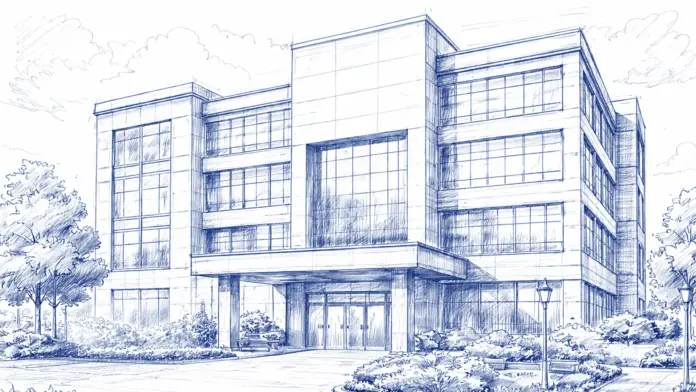
About Gateway Rehab – Liberty Station – Closed
Gateway Rehab Liberty Station was once located in Bridgeville, Pennsylvania but is now permanently closed. They provided long term residential programs focusing on substance abuse treatment. They also had transitional housing for individuals transitioning from rehab to everyday life. They do still have numerous locations throughout the area even though this particular location is closed.
Inclusive Care for LGBTQ Clients in Bridgeville
This facility’s comprehensive programming catered to a diverse clientele including adolescents and young adults. They had inclusive and tailored treatment for LGBTQ+ clients and persons referred from the court system. They also had services for individuals with HIV or AIDS and those who had experienced trauma or sexual abuse.
They offered detox programs for substances including alcohol and benzodiazepines as well as cocaine and opioids. These programs used medications such as buprenorphine and naltrexone.
Holistic Recovery with Mixed Reviews
They emphasized a holistic approach to recovery, incorporating cognitive behavioral therapy and trauma counseling with life skills training in treatment plans.
Patient reviews for the program were mixed, with some reviewers mentioning their effective detox services and commending specific counselors. Others raised concerns about the lax level of supervision in certain programs.
Flexible Payment Options
Along with self payment and private insurance, the facility accepted military insurance, Medicare, Medicaid and state financed health insurance plans other than Medicaid. Sliding fee scales and payment assistance programs were available to eligible individuals based on income and other factors.
Convenient and Peaceful Location
The city of Bridgeville is a suburban area with access to parks and community resources that are conducive to healing and can be integrated into outpatient recovery programs. The convenience of this facility stood out to me as part of the larger Gateway Rehab network, which is known for its comprehensive addiction treatment services in the Pittsburgh region.
The facility was situated in a natural setting with plenty of outdoor space to meet the needs of adolescents who benefitted from physical activity. Interior spaces were designed to be open and uncluttered to help residents maintain organization.

Rehab Score
 Our Methodology


Location
Accepted Insurance

Other Forms of Payment
Medicaid is a state based program that helps lower-income individuals and families pay for healthcare. Medicaid covers addiction treatment so those enrolled can use their coverage to pay for rehab. When a program accepts Medicaid the client often pays very little or nothing out of their own pocket.
Private insurance refers to any kind of healthcare coverage that isn't from the state or federal government. This includes individual and family plans offered by an employer or purchased from the Insurance Marketplace. Every plan will have different requirements and out of pocket costs so be sure to get the full details before you start treatment.
Self-pay involves paying for treatment out of your own pocket. You can use savings or credit, get a personal loan, or receive help from family and friends to fund your treatment. If you don't have insurance or your insurance plan doesn't cover a specific program, self-pay can help ensure you still get the care you need.
Financial aid can take many forms. Centers may have grants or scholarships available to clients who meet eligibility requirements. Programs that receive SAMHSA grants may have financial aid available for those who need treatment as well. Grants and scholarships can help you pai for treatment without having to repay.
Military members, veterans, and eligible dependents have access to specific insurance programs that help them get the care they need. TRICARE and VA insurance can help you access low cost or no cost addiction and mental health treatment. Programs that accept military insurance often have targeted treatment focused on the unique challenges military members, veterans, and their families face.
Addiction Treatments
Levels of Care
Drug and alcohol addiction often takes a heavy toll on one's body. Over time, a physical dependence can develop, meaning the body physiologically needs the substance to function. Detox is the process of removing drugs and/or alcohol from the body, a process that can be lethal if mismanaged. Medical detox is done by licensed medical professionals who monitor vital signs and keep you safe, healthy, and as comfortable as possible as you go through detox and withdrawal.
Residential treatment programs are those that offer housing and meals in addition to substance abuse treatment. Rehab facilities that offer residential treatment allow patients to focus solely on recovery, in an environment totally separate from their lives. Some rehab centers specialize in short-term residential treatment (a few days to a week or two), while others solely provide treatment on a long-term basis (several weeks to months). Some offer both, and tailor treatment to the patient's individual requirements.
Sober Living Houses (SLHs), aka sober homes or halfway houses, are safe, substance-free, supportive living facilities for those recovering from substance abuse. Ideal for those who've just been through inpatient or outpatient treatment, SLHs are supervised environments with rules that support sobriety, such as curfews, shared chores, and therapeutic meetings. Residents are also often trained on life skills and coping skills to make it easier to transition into society. SLHs also provide a strong sense of community that can lead to the kind of deep and lasting connections with other sober individuals that supports a new, healthy lifestyle.
Completing a drug or alcohol rehab program shouldn’t spell the end of substance abuse treatment. Aftercare involves making a sustainable plan for recovery, including ongoing support. This can include sober living arrangements like halfway houses, career counseling, and setting a patient up with community programs like Alcoholics Anonymous (AA) or Narcotics Anonymous (NA).
12-step programs are addiction recovery models based on Alcoholics Anonymous (AA). A number of substance abuse programs (including some drug and alcohol rehab centers) use the 12 steps as a basis for treatment. Beginning steps involve admitting powerlessness over the addiction and creating a spiritual basis for recovery. Middle steps including making direct amends to those who've been hurt by the addiction, and the final step is to assist others in addiction recovery in the same way. 12-Step offshoots including Narcotics Anonymous (NA), Cocaine Anonymous (CA), Dual Recovery Anonymous (DRA), Sex and Love Addicts Anonymous (SLAA) and Gamblers Anonymous (GA).
Treatments
The goal of treatment for alcoholism is abstinence. Those with poor social support, poor motivation, or psychiatric disorders tend to relapse within a few years of treatment. For these people, success is measured by longer periods of abstinence, reduced use of alcohol, better health, and improved social functioning. Recovery and Maintenance are usually based on 12 step programs and AA meetings.
Drug rehab in Pennsylvania is devoted to the treatment of addiction. Levels of care, treatment methods, and settings differ, but the aim of each program is to end drug dependency and empower participants to achieve long-term recovery.
Opioid rehabs specialize in supporting those recovering from opioid addiction. They treat those suffering from addiction to illegal opioids like heroin, as well as prescription drugs like oxycodone. These centers typically combine both physical as well as mental and emotional support to help stop addiction. Physical support often includes medical detox and subsequent medical support (including medication), and mental support includes in-depth therapy to address the underlying causes of addiction.
Substance rehabs focus on helping individuals recover from substance abuse, including alcohol and drug addiction (both illegal and prescription drugs). They often include the opportunity to engage in both individual as well as group therapy.
Clinical Services
Group therapy is any therapeutic work that happens in a group (not one-on-one). There are a number of different group therapy modalities, including support groups, experiential therapy, psycho-education, and more. Group therapy involves treatment as well as processing interaction between group members.
Life skills trainings involve all the skills a person must have in order to function successfully in the world. These include time management, career guidance, money management, and effective communication. Truly successful addiction recovery is based on the ability to not only live substance-free, but to thrive. Life skills teaches the practical necessities of functioning in society, which sets clients up for success in life, and therefore sobriety.
Nutrition therapy, aka medical nutrition therapy (MNT), is a way of treating physical, emotional, and medical conditions through diet. Specific dietary plans are designed by professional nutritionists or registered dietitians, and patients follow them in order to positively affect their physical and mental health.
Amenities
-
 Private Setting
Accreditations

The Joint Commission, formerly known as JCAHO, is a nonprofit organization that accredits rehab organizations and programs. Founded in 1951, the Joint Commision's mission is to improve the quality of patient care and demonstrating the quality of patient care.
Joint Commission Accreditation: Yes
