















































































































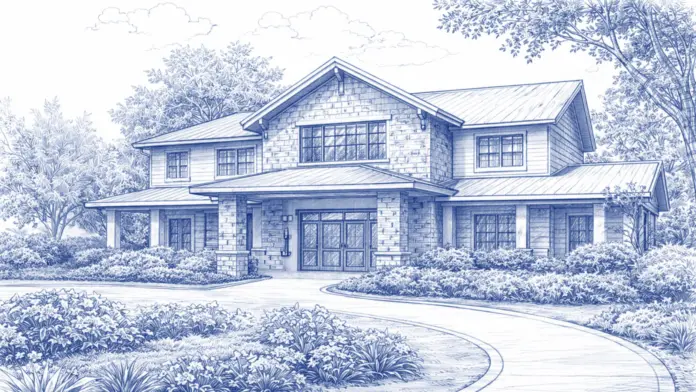
About Healing Hearts Foundation
Healing Hearts Foundation is an addiction treatment center in Memphis, Tennessee specializing in trauma focused care for adults.
The team offers Intensive Outpatient Treatment and general outpatient services that address substance use alongside cooccurring mental health conditions such as PTSD, depression and anxiety.
What kinds of addiction treatment does Healing Hearts Foundation offer?
Healing Hearts Foundation provides Intensive Outpatient Treatment and outpatient services for adults struggling with opioids, alcohol, prescription pills and other substances.
Treatment integrates evidence based therapies including EMDR, Seeking Safety and experiential modalities that help clients process trauma and build lasting recovery skills.
Who can get help here?
The center serves adults of all genders who are living with substance use disorders, often complicated by trauma and cooccurring mental health concerns.
Programs are designed to meet the unique needs of individuals at different stages of recovery.
Do you take insurance or self pay?
The program accepts Medicaid, most major private insurance plans and cash or self pay options.
Sliding scale fees based on income and financing options are available for those who qualify and staff can help verify insurance benefits before admission.

Rehab Score
 Our Methodology


Location
Other Forms of Payment
Medicaid is a state based program that helps lower-income individuals and families pay for healthcare. Medicaid covers addiction treatment so those enrolled can use their coverage to pay for rehab. When a program accepts Medicaid the client often pays very little or nothing out of their own pocket.
Private insurance refers to any kind of healthcare coverage that isn't from the state or federal government. This includes individual and family plans offered by an employer or purchased from the Insurance Marketplace. Every plan will have different requirements and out of pocket costs so be sure to get the full details before you start treatment.
Self-pay involves paying for treatment out of your own pocket. You can use savings or credit, get a personal loan, or receive help from family and friends to fund your treatment. If you don't have insurance or your insurance plan doesn't cover a specific program, self-pay can help ensure you still get the care you need.
Sliding scale payments are based on a client's income and family size. The goal is to make treatment affordable to everyone. By taking these factors into account, addiction recovery care providers help ensure that your treatment does not become a financial burden to you or your family, eliminating one barrier to care.
Financing your treatment can make treatment more accessible. You'll work with your care provider to set up payment plans, including interest rates and repayment timelines. Financing options vary widely and not all programs offer them, so be sure to get the full details before enrolling in treatment. If you have insurance or other benefits, financing may help you cover your remaining out of pocket expenses.
Addiction Treatments
Levels of Care
Clients in intensive outpatient programs (IOP) receive robust, personalized care to support their reintegration into their community. Clients stepping down from inpatient treatment frequently enroll in IOP before entering standard outpatient care or community-based recovery programs, such as AA. Intensive outpatient treatment generally involves between nine and 20 therapeutic hours weekly, with the frequency and duration of sessions decreasing as clients stabilize. IOP services commonly include counseling, recovery education, holistic therapies, and medication assisted treatment (MAT).
Outpatient rehabs enable clients to receive care without leaving their home, workplace, and community. Clients typically receive intensive addiction counseling, including individual, group, and family therapy. Many programs promote clients' long-term sobriety through recovery-focused life skills training and ancillary services, such as peer coaching. Medication assisted treatment (MAT), including medication induction and maintenance, are common in outpatient care. Most facilities offer multiple levels of care to accommodate clients' evolving needs, including intensive outpatient (IOP) and standard outpatient programming.
Treatments
Alcohol use disorder (AUD) is a treatable condition characterized by uncontrolled consumption of alcohol which continues despite negative consequences. Treatment options for alcohol addiction include inpatient or outpatient alcohol rehab in Tennessee. Therapeutic methods include group and individual therapy, medication, and holistic therapies. Aftercare is often provided through 12-step support groups, which offer ongoing accountability and encouragement.
 Opioid Addiction
When your day-to-day life is taken over by drug use, this is known as substance use disorder. If you abruptly stop using your drug of choice, you experience withdrawal symptoms. To overcome this cycle, professional drug rehab in Tennessee is usually needed.
Substance abuse treatment in Tennessee is available in addiction treatment centers, where experienced addiction professionals can treat both substance use disorders. Typically, clinicians use a range of evidence-based therapies such as a biopsychosocial assessment, cognitive-behavioral therapy, and motivational interviewing to get a complete picture of your mental health, support systems, and motivation to change. Through an individualized treatment plan, you'll receive the support you need to achieve long-term sobriety through new skills and relapse prevention strategies.
If you have a co-occurring mental health condition and an addiction, you'll want to address both conditions at the same time, under the same roof. If you only address the mental health disorder, you'll likely continue using drugs, which tends to make mental health issues even worse. On the other hand, if you only address the addiction, the symptoms of your mental health disorder will make it very hard to succeed in recovery.
In Tennessee, dual-diagnosis addiction treatment programs provide integrated care for individuals with co-occurring substance use disorders and mental health conditions. Offered on an outpatient or inpatient basis, addiction experts utilize evidence-based therapies, such as cognitive-behavioral therapy (CBT), dialectical behavior therapy (DBT), together with recovery and skills groups, to address both disorders and promote mental health. You'll also receive comprehensive aftercare planning and relapse prevention training.
Programs
Adult rehab programs include therapies tailored to each client's specific needs, goals, and recovery progress. They are tailored to the specific challenges adult clients may face, including family and work pressures and commitments. From inpatient and residential treatment to various levels of outpatient services, there are many options available. Some facilities also help adults work through co-occurring conditions, like anxiety, that can accompany addiction.
Clinical Services
 Eye Movement Desensitization And Reprocessing
Amenities
-
 Metropolitan Area
Accreditations

State Licenses are permits issued by government agencies that allow rehab organizations to conduct business legally within a certain geographical area. Typically, the kind of program a rehab facility offers, along with its physical location, determines which licenses are required to operate legally.
State License: Tennessee
Contact Information


1384 Madison Ave, Memphis, TN 38104
Sponsored Helpline
