











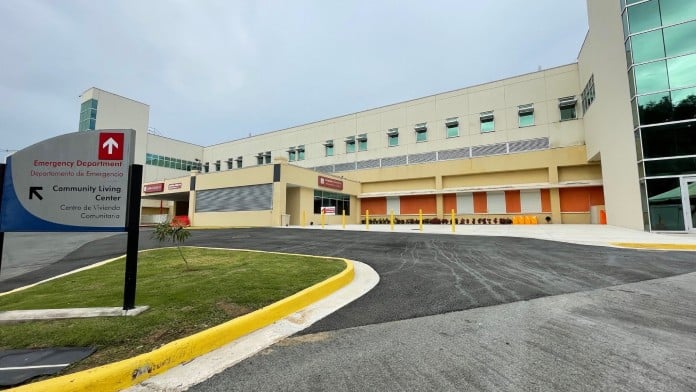
VA Caribbean Healthcare System - Arecibo CBOC
1
Top 10 Rehab Centers In Arecibo



















































































Hogar Crea is a nonprofit in Puerto Rico. This center in Guayama was established in 1968 to offer detox and an extended residential program for adults, youth and families battling addiction and other life challenges. You’ll benefit from comprehensive care in a serene location.
One great feature I noticed was that they offer tailored care for certain populations, including Spanish speakers. While they welcome everyone in need of treatment, people experiencing homelessness, mothers with children up to age four, adults and adolescents in the criminal justice system, and people living with HIV/AIDS can receive specialized services.
They provide group and individual counseling to help you recognize and change the behaviors contributing to addiction. In addition to proven approaches, you can also access supplementary services to enhance your recovery journey.
I really like that they offer educational assistance. You can participate in seminars and courses to improve your skills and access more opportunities. They also provide psychological services, social work, and transportation.
Another great feature I noticed was that they provide family support. They understand that addiction doesn’t just hurt their clients, but impacts all their loved ones. You and your family can participate in interventions to develop healthy communication skills and support each other throughout your journey.
Known for its historic town center, Guayama offers several opportunities for healing and reflection. You’ll be close to the Malecón de Guayama waterfront and the Aguirre State Forest. These calming spaces provide chances to explore nature while focusing on healing.

 Our Methodology


 Free
FreeMedicaid is a state based program that helps lower-income individuals and families pay for healthcare. Medicaid covers addiction treatment so those enrolled can use their coverage to pay for rehab. When a program accepts Medicaid the client often pays very little or nothing out of their own pocket.
Residential treatment programs are those that offer housing and meals in addition to substance abuse treatment. Rehab facilities that offer residential treatment allow patients to focus solely on recovery, in an environment totally separate from their lives. Some rehab centers specialize in short-term residential treatment (a few days to a week or two), while others solely provide treatment on a long-term basis (several weeks to months). Some offer both, and tailor treatment to the patient's individual requirements.
Completing a drug or alcohol rehab program shouldn't spell the end of substance abuse treatment. Aftercare involves making a sustainable plan for recovery, including ongoing support. This can include sober living arrangements like halfway houses, career counseling, and setting a patient up with community programs like Alcoholics Anonymous (AA) or Narcotics Anonymous (NA).
The goal of treatment for alcoholism is abstinence. Those with poor social support, poor motivation, or psychiatric disorders tend to relapse within a few years of treatment. For these people, success is measured by longer periods of abstinence, reduced use of alcohol, better health, and improved social functioning. Recovery and Maintenance are usually based on 12 step programs and AA meetings.
 Drug Addiction
A combined mental health and substance abuse rehab has the staff and resources available to handle individuals with both mental health and substance abuse issues. It can be challenging to determine where a specific symptom stems from (a mental health issue or an issue related to substance abuse), so mental health and substance abuse professionals are helpful in detangling symptoms and keeping treatment on track.
Opioid rehabs specialize in supporting those recovering from opioid addiction. They treat those suffering from addiction to illegal opioids like heroin, as well as prescription drugs like oxycodone. These centers typically combine both physical as well as mental and emotional support to help stop addiction. Physical support often includes medical detox and subsequent medical support (including medication), and mental support includes in-depth therapy to address the underlying causes of addiction.
Adult rehab programs include therapies tailored to each client's specific needs, goals, and recovery progress. They are tailored to the specific challenges adult clients may face, including family and work pressures and commitments. From inpatient and residential treatment to various levels of outpatient services, there are many options available. Some facilities also help adults work through co-occurring conditions, like anxiety, that can accompany addiction.
Young adulthood can be an exciting, yet difficult, time of transition. Individuals in their late teens to mid-20s face unique stressors related to school, jobs, families, and social circles, which can lead to a rise in substance use. Rehab centers with dedicated young adult programs will include activities and amenities that cater to this age group, with an emphasis on specialized counseling, peer socialization, and ongoing aftercare.
HIV/AIDS programs support disease prevention and management in high-risk individuals in recovery. Individuals who engage in intravenous drug use and other addictive behaviors are at a higher risk of becoming infected with HIV. Rehab centers that specialize in treating this population typically have a high number of nurses, physicians, and psychiatrists on staff who can make sure both their medical and mental health needs are met.
Whether a marriage or other committed relationship, an intimate partnership is one of the most important aspects of a person's life. Drug and alcohol addiction affects both members of a couple in deep and meaningful ways, as does rehab and recovery. Couples therapy and other couples-focused treatment programs are significant parts of exploring triggers of addiction, as well as learning how to build healthy patterns to support ongoing sobriety.
Research clearly demonstrates that recovery is far more successful and sustainable when loved ones like family members participate in rehab and substance abuse treatment. Genetic factors may be at play when it comes to drug and alcohol addiction, as well as mental health issues. Family dynamics often play a critical role in addiction triggers, and if properly educated, family members can be a strong source of support when it comes to rehabilitation.
Group therapy is any therapeutic work that happens in a group (not one-on-one). There are a number of different group therapy modalities, including support groups, experiential therapy, psycho-education, and more. Group therapy involves treatment as well as processing interaction between group members.
In individual therapy, a patient meets one-on-one with a trained psychologist or counselor. Therapy is a pivotal part of effective substance abuse treatment, as it often covers root causes of addiction, including challenges faced by the patient in their social, family, and work/school life.
 Residential Setting
 Rehab.com regularly reviews this listing for accuracy but changes may occur between updates. For the most up-to-date information, please contact Hogar Crea.

Carretera 173 Km 1.0
Villodas Cimarrona Sector-Jobos
Guayama, PR 00784
Sponsored Helpline

Estoy aquí ahora y me gusta

Buen hogar crea


 Back
Back
Sharing your insights and experiences can help others learn more about this rehab center.

 Written By: Mariah Bourne
M.A.
Written By: Mariah Bourne
M.A.