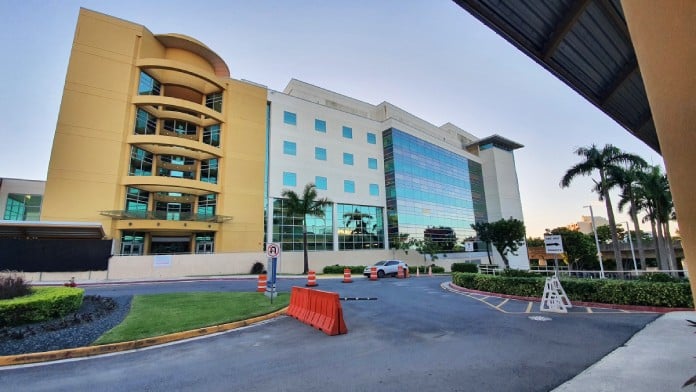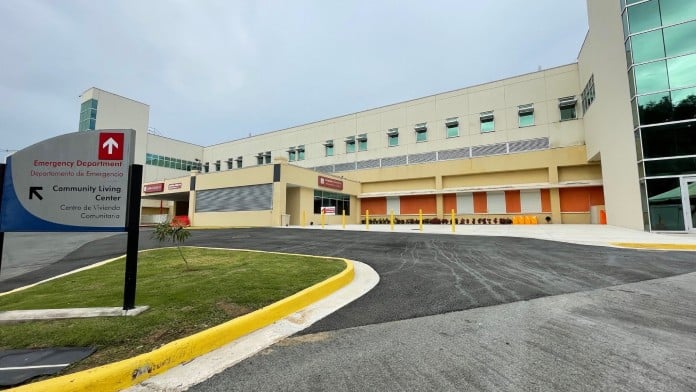
VA Caribbean Healthcare System - Arecibo CBOC
1
Top 10 Rehab Centers In Arecibo



















































































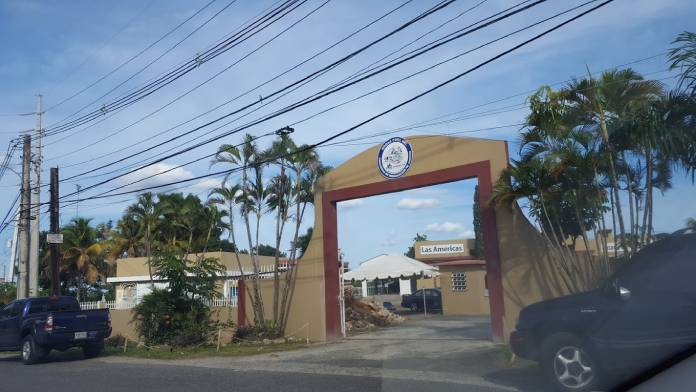
Hogar Crea Las Americas is a government funded addiction treatment center providing no cost and low cost medically supervised detox and residential care in San Juan, Puerto Rico.
The program offers trauma informed, cognitive behavioral therapy and medication assisted treatment, life skills training and aftercare planning for adults with primary services for adult men.
Hogar Crea combines structured inpatient treatment with dedicated supports for underserved populations including Spanish language speakers, justice involved individuals, veterans and LGBTQ+ persons, trauma survivors and clients with co-occurring mental health and substance use disorders.
Hogar Crea’s core specialty is providing accessible inpatient detox and short term and long term residential treatment for adults in Puerto Rico. The program includes 24/7 medical supervision during detox with FDA approved medications available to ease withdrawal symptoms, followed by structured residential care tailored to individual recovery goals.
Treatment integrates trauma informed, CBT based counseling in individual, group and family formats to address the root causes of addiction. Clients work through underlying issues, build coping strategies and develop relapse prevention skills in a supportive, Spanish language environment.
Hogar Crea emphasizes practical life skills rebuilding through structured training in anger management and wellness, coping strategies and relapse prevention. Aftercare planning includes transitional housing coordination and 12 step program induction support to help clients sustain recovery and successfully reintegrate into their communities.
Hogar Crea Las Americas is located in the Villa Nevarez area of San Juan and provides on site residential services with Spanish language programs. The center accepts Medicaid and offers no cost or low cost services based on need and funding availability.

 Our Methodology


 Free
FreeMedicaid is a state based program that helps lower-income individuals and families pay for healthcare. Medicaid covers addiction treatment so those enrolled can use their coverage to pay for rehab. When a program accepts Medicaid the client often pays very little or nothing out of their own pocket.
Drug and alcohol addiction often takes a heavy toll on one's body. Over time, a physical dependence can develop, meaning the body physiologically needs the substance to function. Detox is the process of removing drugs and/or alcohol from the body, a process that can be lethal if mismanaged. Medical detox is done by licensed medical professionals who monitor vital signs and keep you safe, healthy, and as comfortable as possible as you go through detox and withdrawal.
Residential treatment programs are those that offer housing and meals in addition to substance abuse treatment. Rehab facilities that offer residential treatment allow patients to focus solely on recovery, in an environment totally separate from their lives. Some rehab centers specialize in short-term residential treatment (a few days to a week or two), while others solely provide treatment on a long-term basis (several weeks to months). Some offer both, and tailor treatment to the patient's individual requirements.
The goal of treatment for alcoholism is abstinence. Those with poor social support, poor motivation, or psychiatric disorders tend to relapse within a few years of treatment. For these people, success is measured by longer periods of abstinence, reduced use of alcohol, better health, and improved social functioning. Recovery and Maintenance are usually based on 12 step programs and AA meetings.
 Drug Addiction
Many of those suffering from addiction also suffer from mental or emotional illnesses like schizophrenia, bipolar disorder, depression, or anxiety disorders. Rehab and other substance abuse facilities treating those with a dual diagnosis or co-occurring disorder administer psychiatric treatment to address the person's mental health issue in addition to drug and alcohol rehabilitation.
Opioid rehabs specialize in supporting those recovering from opioid addiction. They treat those suffering from addiction to illegal opioids like heroin, as well as prescription drugs like oxycodone. These centers typically combine both physical as well as mental and emotional support to help stop addiction. Physical support often includes medical detox and subsequent medical support (including medication), and mental support includes in-depth therapy to address the underlying causes of addiction.
Substance rehabs focus on helping individuals recover from substance abuse, including alcohol and drug addiction (both illegal and prescription drugs). They often include the opportunity to engage in both individual as well as group therapy.
Adult rehab programs include therapies tailored to each client's specific needs, goals, and recovery progress. They are tailored to the specific challenges adult clients may face, including family and work pressures and commitments. From inpatient and residential treatment to various levels of outpatient services, there are many options available. Some facilities also help adults work through co-occurring conditions, like anxiety, that can accompany addiction.
Recovery is most successful when clients feel accepted and validated by their peers and treatment providers. Facilities that offer LGBTQ-inclusive programming are committed to creating a safe space where everyone can grow and recover without fear of judgment or discrimination. They will have dedicated policies in place to create a safe and supportive environment that fosters free expression.
Young adulthood can be an exciting, yet difficult, time of transition. Individuals in their late teens to mid-20s face unique stressors related to school, jobs, families, and social circles, which can lead to a rise in substance use. Rehab centers with dedicated young adult programs will include activities and amenities that cater to this age group, with an emphasis on specialized counseling, peer socialization, and ongoing aftercare.
Trauma therapy addresses traumatic incidents from a client's past that are likely affecting their present-day experience. Trauma is often one of the primary triggers and potential causes of addiction, and can stem from child sexual abuse, domestic violence, having a parent with a mental illness, losing one or both parents at a young age, teenage or adult sexual assault, or any number of other factors. The purpose of trauma therapy is to allow a patient to process trauma and move through and past it, with the help of trained and compassionate mental health professionals.
Rehab.com regularly reviews this listing for accuracy but changes may occur between updates. For the most up-to-date information, please contact Hogar Crea Las Americas.

1105 Av. Tte. César Luis González
San Juan, 00927 PR
Sponsored Helpline


 Back
Back
Sharing your insights and experiences can help others learn more about this rehab center.