



























































































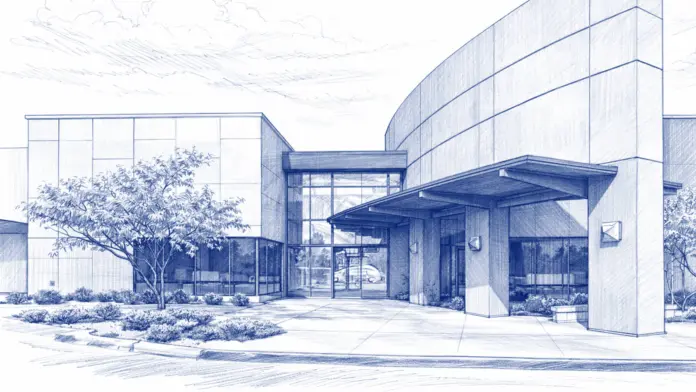
About Housing Plus Solutions
They offer 59 transitional living spaces for justice involved individuals. They also offer vast experience and expertise in case management, mental health and substance use treatment, vocational and job readiness and housing support. Their support services are designed to meet the unique needs of women and gender expansive individuals involved with the criminal justice system. They work to better the lives of homeless women and families by providing permanent and transitional housing. They offer various services designed to support and aid their move from homelessness, family fragmentation, and devastating poverty to independence, stability and family well being. Their justice initiatives and permanent supportive services clients are provided with basic client case management services such as counseling, education and employment services. This way, as women and the people they serve regain their ability to function, they realize that they are now ready for something bigger, such as getting an education, looking for a job or contacting their families.
The best thing about them is that their staff trains young women and youth within the ages of fifteen to 23 years. They enable them to acquire essential skills for employment, choose suitable careers and land on the right job that matches their capabilities and offers reasonable and sustainable income.
Latest Reviews



Rehab Score
 Our Methodology


Location
Addiction Treatments
Levels of Care
Sober Living Houses (SLHs), aka sober homes or halfway houses, are safe, substance-free, supportive living facilities for those recovering from substance abuse. Ideal for those who've just been through inpatient or outpatient treatment, SLHs are supervised environments with rules that support sobriety, such as curfews, shared chores, and therapeutic meetings. Residents are also often trained on life skills and coping skills to make it easier to transition into society. SLHs also provide a strong sense of community that can lead to the kind of deep and lasting connections with other sober individuals that supports a new, healthy lifestyle.
Treatments
The goal of treatment for alcoholism is abstinence. Those with poor social support, poor motivation, or psychiatric disorders tend to relapse within a few years of treatment. For these people, success is measured by longer periods of abstinence, reduced use of alcohol, better health, and improved social functioning. Recovery and Maintenance are usually based on 12 step programs and AA meetings.
When you choose drug rehab in New York, you'll participate in a variety of treatments that are designed to help you live a drug-free lifestyle. Common methods of treatment include group, individual, and family counseling, medication management, nutrition, exercise, and management of co-occurring mental health disorders.
Opioid rehabs specialize in supporting those recovering from opioid addiction. They treat those suffering from addiction to illegal opioids like heroin, as well as prescription drugs like oxycodone. These centers typically combine both physical as well as mental and emotional support to help stop addiction. Physical support often includes medical detox and subsequent medical support (including medication), and mental support includes in-depth therapy to address the underlying causes of addiction.
Substance rehabs focus on helping individuals recover from substance abuse, including alcohol and drug addiction (both illegal and prescription drugs). They often include the opportunity to engage in both individual as well as group therapy.
Programs
Adult rehab programs include therapies tailored to each client's specific needs, goals, and recovery progress. They are tailored to the specific challenges adult clients may face, including family and work pressures and commitments. From inpatient and residential treatment to various levels of outpatient services, there are many options available. Some facilities also help adults work through co-occurring conditions, like anxiety, that can accompany addiction.
Clinical Services
In individual therapy, a patient meets one-on-one with a trained psychologist or counselor. Therapy is a pivotal part of effective substance abuse treatment, as it often covers root causes of addiction, including challenges faced by the patient in their social, family, and work/school life.
Staff

Rita Zimmer
Founder & Executive Director
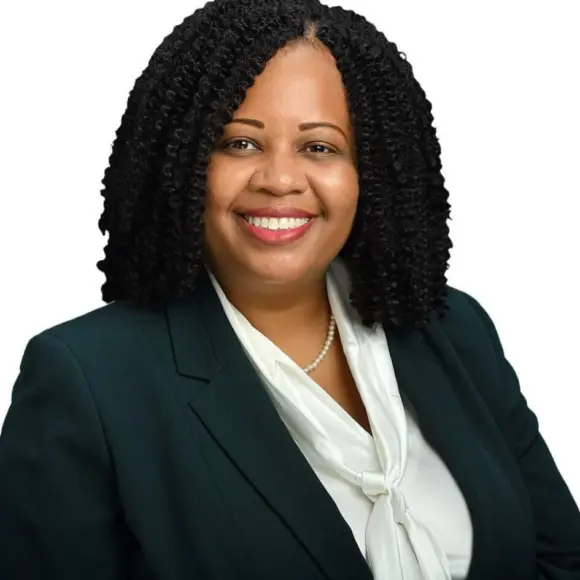
Mathylde Frontus
Chief Program Officer

Rebecca Chatteram
VP of Administration

Krishna Rampersaud
VP of Finance
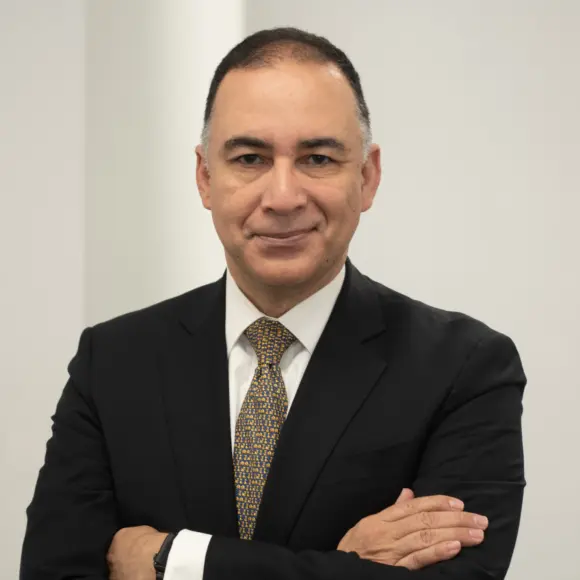
H. Aldervan Daly
VP of Development & Communications
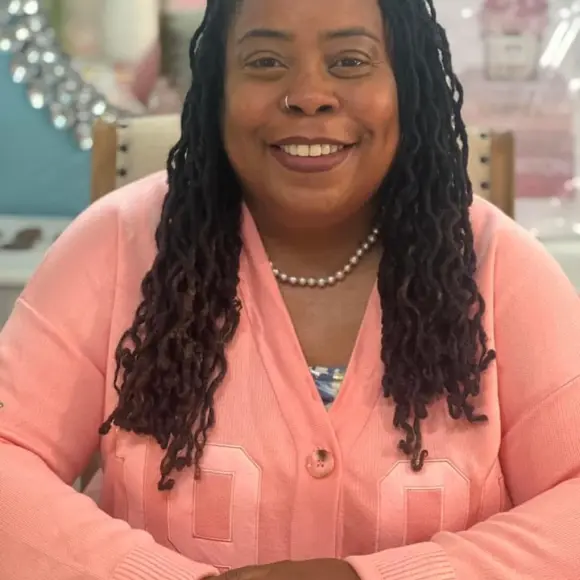
Nicole Grant
VP of Transitional Supportive Housing
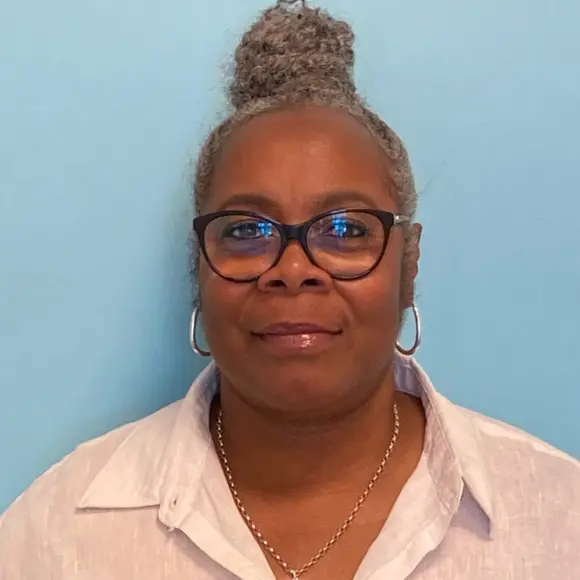
Joyce Kelly
VP of Permanent Supportive Housing
Contact Information

755 Liberty Avenue
Brooklyn, NY 11208
Sponsored Helpline


