




































































The study combined mindfulnesss to fight opioid cravings. It was conducted by the Icahn School of Medicine at Mount Sinai.
Setting It Up
In the study, 86 adults with opioid addictions went to a long-term inpatient facility operated by Samaritan Daytop Village in New York City. Each participant at the time of the study was taking a prescription for either methadone or buprenorphine to stymie withdrawal.
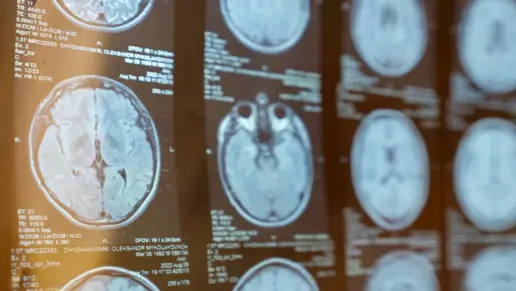
Each person also got either eight weeks of MORE or regular psychoeducational therapy. Researchers used functional magnetic resonance imaging before and after treatment to measure responses to images of drugs, natural rewards and drug scenes from the movie “Trainspotting.”
This was the first trial to use fMRI to examine how MORE or a similar mindfulness program changes brain function among those with addictions.
Getting MORE
MORE combines a whole range of other processes. For example, cognitive reappraisal looks at how a person interprets triggers. Savoring focuses on positive daily experiences. The goal is to sever the link between positive experiences and drugs and redirect positive experiences to stuff that doesn’t involve drugs.
The trial drew on the impaired response inhibition and salience attribution model of addiction. Basically, drug cues might get more attention and trigger feelings of rewards when drugs affect the brain.
Brain Craves
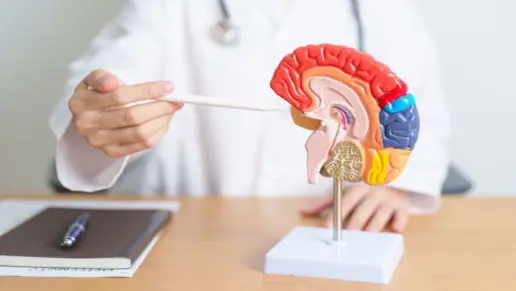
When participants reinterpreted drug-related images, the MORErs showed less drug-related activity in the lateral prefrontal cortex. The MORErs saw a greater break between drug cues and cravings.
Higher ventromedial activity when patients enjoyed positive food images also led to fewer cravings for drugs. During the movie scenes, MORErs showed less activity in the medial prefrontal cortex. This means that more reductions corresponded to fewer cravings as well.
MORE For MAT?
The findings suggest MORE can help medication assisted treatment (MAT). MORE probably won’t work on its own and certainly not everyone will get the same results.
Still those receiving MAT can sign up for programs like MORE. Behavioral support programs in general can address cravings and triggers.
Our directory can help lead the way if you’re looking for services to enroll in or just to take a look at what’s out there. We list a lot of programs filtered by location and services.
Dialing
800-985-8516
(  Sponsored Helpline )
to talk your situation and circumstances over with an expert and find steady guidance in your local community is also another option.