
 Sponsored Helpline
































































































About Oxford House – Charmuth – Closed
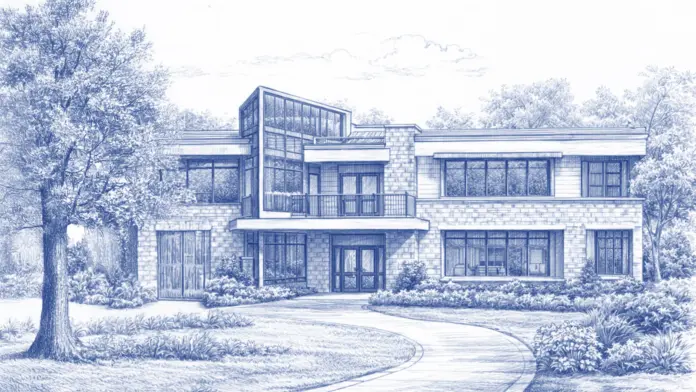
Oxford House presents a unique approach to sober living homes. Each house is overseen by staff but democratically run by the residents. Major decisions about the rules of the house and which new clients can be admitted are decided by vote.
They had a location in Towson, Maryland, but it has since closed. However, there are Oxford Houses all over the country. The client-run nature of these residents’ place greater responsibility and accountability on each member, which supports their overall recovery and sobriety efforts. It also facilitates socialization and fuels self sufficiency.
Long Term Stays As Needed
Something I find interesting about the Oxford House model is that there is no time limit for residents. If you need a safe and stable environment during your alcohol or drug addiction treatment or recovery, you can stay as long as you like—so long as you continue paying your share of house expenses.
Placing timetables on recovery is always tricky because everyone progresses at a different pace. Since this isn’t a treatment program itself, it isn’t affected by factors that sometimes limit the time you can spend in those programs. It’s great that you can work on your sobriety and needs without having to worry about whether you’ll have enough time.
A Collaborative Effort
Another great thing about this program’s model is that it encourages residents to work together to address and solve problems, be that with residents or the house itself. Again, this is a useful skill for relapse prevention, and I think it’s brilliant how it naturally fits into life at the house.
Don’t overlook the importance of having fun in recovery—it can relieve stress and reinforce the progress you’ve made. Clients who were in the area could treat themselves to a walk through Towson Town Center or The Shops at Kenilworth, or take in a game at Johnny Unitas Stadium.
Location
Other Forms of Payment
Self-pay involves paying for treatment out of your own pocket. You can use savings or credit, get a personal loan, or receive help from family and friends to fund your treatment. If you don't have insurance or your insurance plan doesn't cover a specific program, self-pay can help ensure you still get the care you need.
Medicaid is a state based program that helps lower-income individuals and families pay for healthcare. Medicaid covers addiction treatment so those enrolled can use their coverage to pay for rehab. When a program accepts Medicaid the client often pays very little or nothing out of their own pocket.
Medicare is a federal program that provides health insurance for those 65 and older. It also serves people under 65 with chronic and disabling health challenges. To use Medicare for addiction treatment you need to find a program that accepts Medicare and is in network with your plan. Out of pocket costs and preauthorization requirements vary, so always check with your provider.
Addiction Treatments
Treatments
The goal of treatment for alcoholism is abstinence. Those with poor social support, poor motivation, or psychiatric disorders tend to relapse within a few years of treatment. For these people, success is measured by longer periods of abstinence, reduced use of alcohol, better health, and improved social functioning. Recovery and Maintenance are usually based on 12 step programs and AA meetings.
Once a person has become addicted to a substance, drug rehab in Maryland is often necessary to overcome that addiction. These programs provide the tools individuals need to manage the physical, mental, and emotional issues involved and begin a successful recovery journey.
A combined mental health and substance abuse rehab has the staff and resources available to handle individuals with both mental health and substance abuse issues. It can be challenging to determine where a specific symptom stems from (a mental health issue or an issue related to substance abuse), so mental health and substance abuse professionals are helpful in detangling symptoms and keeping treatment on track.
Opioid rehabs specialize in supporting those recovering from opioid addiction. They treat those suffering from addiction to illegal opioids like heroin, as well as prescription drugs like oxycodone. These centers typically combine both physical as well as mental and emotional support to help stop addiction. Physical support often includes medical detox and subsequent medical support (including medication), and mental support includes in-depth therapy to address the underlying causes of addiction.
Programs
Adult rehab programs include therapies tailored to each client's specific needs, goals, and recovery progress. They are tailored to the specific challenges adult clients may face, including family and work pressures and commitments. From inpatient and residential treatment to various levels of outpatient services, there are many options available. Some facilities also help adults work through co-occurring conditions, like anxiety, that can accompany addiction.
Young adulthood can be an exciting, yet difficult, time of transition. Individuals in their late teens to mid-20s face unique stressors related to school, jobs, families, and social circles, which can lead to a rise in substance use. Rehab centers with dedicated young adult programs will include activities and amenities that cater to this age group, with an emphasis on specialized counseling, peer socialization, and ongoing aftercare.
Clinical Services
In individual therapy, a patient meets one-on-one with a trained psychologist or counselor. Therapy is a pivotal part of effective substance abuse treatment, as it often covers root causes of addiction, including challenges faced by the patient in their social, family, and work/school life.
