They have poor customer service, and the staff is rude. Please don't come here, you won't get any help, nobody cares. This place needs to be shut down for good.
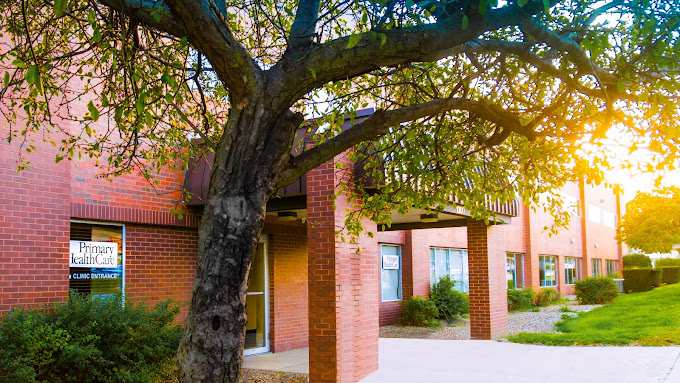
About Primary Health Care Medical – University Avenue
This center is part of a network of primary care and dental providers. They offer a ton of health services for all kinds of ailments, big and small. This includes behavioral health, psychiatry, therapy and addiction services. Patients can speak with physicians on staff about mental health problems and receive medication to treat them. Oftentimes, psychiatric treatment is beneficial for substance use disorder, as addiction can be fueled by co-occurring mental health issues.
This center also offers medication assisted treatment (MAT) for opioid and alcohol addictions. MAT is a treatment path designed to wean patients off of harmful, addictive substances under medical supervision. Patients undergoing MAT are given medications at a decreasing dose to help them safely kick their dependence.
This center has mostly favorable reviews. Clients mention that the doctors are friendly, the treatment is affordable, and the various methods of care are effective. One issue that seems to be common is trouble with scheduling. Unfortunately, this seems to be an issue with many centers, and it doesn’t reflect all that poorly on this specific clinic.
Latest Reviews
Rehab Score
Gallery
Other Forms of Payment
Private insurance refers to any kind of healthcare coverage that isn't from the state or federal government. This includes individual and family plans offered by an employer or purchased from the Insurance Marketplace. Every plan will have different requirements and out of pocket costs so be sure to get the full details before you start treatment.
Self-pay involves paying for treatment out of your own pocket. You can use savings or credit, get a personal loan, or receive help from family and friends to fund your treatment. If you don't have insurance or your insurance plan doesn't cover a specific program, self-pay can help ensure you still get the care you need.
Medicaid is a state based program that helps lower-income individuals and families pay for healthcare. Medicaid covers addiction treatment so those enrolled can use their coverage to pay for rehab. When a program accepts Medicaid the client often pays very little or nothing out of their own pocket.
Addiction Treatments
Levels of Care
Licensed behavioral health consultants (BHCs) work with primary care providers and nurses to provide mental health services; they provide real time assessments and interventions. BHCs address behavioral influenced problems and help patients establish functional goals for improvement. Screenings for depression, anxiety, and alcohol or drug abuse may also be provided with referrals made for appropriate follow up care. Behavioral health consultants are available at the following clinics: Story County Clinic, University Clinic, BE Clinic, East Side Clinic and in Marshalltown.
Intensive Outpatient Programs (IOP) are for those who want or need a very structured treatment program but who also wish to live at home and continue with certain responsibilities (such as work or school). IOP substance abuse treatment programs vary in duration and intensity, and certain outpatient rehab centers will offer individualized treatment programs.
Rehab aftercare programs support clients' reintegration into their home, workplace, and community following inpatient and residential treatment. They also promote long-term recovery for clients who may no longer be receiving outpatient treatment. Rehab aftercare services encompass a wide range of modalities and often include various medical, mental health, and social service programs. Case managers and care teams develop clients' customized service plans based on the client's evolving needs and recovery goals.
Sober Living Houses (SLHs), aka sober homes or halfway houses, are safe, substance-free, supportive living facilities for those recovering from substance abuse. Ideal for those who've just been through inpatient or outpatient treatment, SLHs are supervised environments with rules that support sobriety, such as curfews, shared chores, and therapeutic meetings. Residents are also often trained on life skills and coping skills to make it easier to transition into society. SLHs also provide a strong sense of community that can lead to the kind of deep and lasting connections with other sober individuals that supports a new, healthy lifestyle.
Intervention services helps family or friends of addicts stage an intervention, which is a meeting in which loved ones share their concerns and attempt to get an addict into treatment. Professional intervention specialists can help loved ones organize, gather, and communicate with an addict. They can guide intervention participants in describing the damage the addict's behavior is causing and that outside help is necessary to address the addiction. The ideal outcome of an intervention is for the addict to go to rehab and get the help they need.
At certain points in the recovery process, it's important to have support available 24/7. 24-hour clinical care offers a safe environment in which to recover from drug or alcohol addiction in peace, knowing medical detox and other treatment will happen with professionals on hand.
Their Iowa City detoxification unit provides a safe and medically-supervised place for individuals to withdraw from drugs or alcohol and stabilize before engaging in a treatment program. This allows for a smooth transition into their treatment community and encourages continued involvement in one’s treatment journey. The length of stay required to detoxify depends upon the individual’s history of use and other medical issues.
Treatments
The goal of treatment for alcoholism is abstinence. Those with poor social support, poor motivation, or psychiatric disorders tend to relapse within a few years of treatment. For these people, success is measured by longer periods of abstinence, reduced use of alcohol, better health, and improved social functioning. Recovery and Maintenance are usually based on 12 step programs and AA meetings.
Drug rehab in Iowa is available in many formats. A variety of inpatient and outpatient options provide programs that are tailored to individual needs, making recovery possible for everyone.
Many of those suffering from addiction also suffer from mental or emotional illnesses like schizophrenia, bipolar disorder, depression, or anxiety disorders. Rehab and other substance abuse facilities treating those with a dual diagnosis or co-occurring disorder administer psychiatric treatment to address the person's mental health issue in addition to drug and alcohol rehabilitation.
A combined mental health and substance abuse rehab has the staff and resources available to handle individuals with both mental health and substance abuse issues. It can be challenging to determine where a specific symptom stems from (a mental health issue or an issue related to substance abuse), so mental health and substance abuse professionals are helpful in detangling symptoms and keeping treatment on track.

Opioid rehabs specialize in supporting those recovering from opioid addiction. They treat those suffering from addiction to illegal opioids like heroin, as well as prescription drugs like oxycodone. These centers typically combine both physical as well as mental and emotional support to help stop addiction. Physical support often includes medical detox and subsequent medical support (including medication), and mental support includes in-depth therapy to address the underlying causes of addiction.

Programs
Adult rehab programs include therapies tailored to each client's specific needs, goals, and recovery progress. They are tailored to the specific challenges adult clients may face, including family and work pressures and commitments. From inpatient and residential treatment to various levels of outpatient services, there are many options available. Some facilities also help adults work through co-occurring conditions, like anxiety, that can accompany addiction.
Young adulthood can be an exciting, yet difficult, time of transition. Individuals in their late teens to mid-20s face unique stressors related to school, jobs, families, and social circles, which can lead to a rise in substance use. Rehab centers with dedicated young adult programs will include activities and amenities that cater to this age group, with an emphasis on specialized counseling, peer socialization, and ongoing aftercare.
Clinical Services
People in substance use disorder treatment in Iowa find group therapy helps them benefit from shared experiences, gain new insights into the triggers of addiction, and learn new coping strategies. Group therapy promotes accountability and helps raise your motivation to seek sobriety and achieve sustainable recovery.
Individual sessions are available for private discussions of concerns and evaluating treatment goals and progress. Patients report that sessions with their individual counselors are extremely helpful. Working with your counselor, you will help select the level of intensity best designed to meet your needs. Your outpatient services are continually evaluated to ensure they remain helpful to you, and may be increased or decreased as your situation changes.
Trauma therapy addresses traumatic incidents from a client's past that are likely affecting their present-day experience. Trauma is often one of the primary triggers and potential causes of addiction, and can stem from child sexual abuse, domestic violence, having a parent with a mental illness, losing one or both parents at a young age, teenage or adult sexual assault, or any number of other factors. The purpose of trauma therapy is to allow a patient to process trauma and move through and past it, with the help of trained and compassionate mental health professionals.

Whether a marriage or other committed relationship, an intimate partnership is one of the most important aspects of a person's life. Drug and alcohol addiction affects both members of a couple in deep and meaningful ways, as does rehab and recovery. Couples therapy and other couples-focused treatment programs are significant parts of exploring triggers of addiction, as well as learning how to build healthy patterns to support ongoing sobriety.
Research clearly demonstrates that recovery is far more successful and sustainable when loved ones like family members participate in rehab and substance abuse treatment. Family support sessions will focus on understanding what you want for your loved one, your goals for yourself in relation to this loved one, and developing a strategy to accomplish those goals. There are a variety of directions these sessions can take, depending on your unique situation. These sessions will be provided on a sliding fee schedule.
Life skills trainings involve all the skills a person must have in order to function successfully in the world. These include time management, career guidance, money management, and effective communication. Truly successful addiction recovery is based on the ability to not only live substance-free, but to thrive. Life skills teaches the practical necessities of functioning in society, which sets clients up for success in life, and therefore sobriety.
Amenities
-
Residential Setting
Staff & Accreditations
Staff
Kelly Huntsman, MHA
CEO
Nathan Simpson, MHA
COO
Theran Adamson, MD
Chief Medical Officer
Elizabeth Frantum, CPA
CFO
Julie Raasch, RN, MHA
Chief Quality Officer
Jenny Brown, MSHRM
Chief Human Resources Officer
Bery Engebretsen, MD
Chief Visionary
Accreditations
The Commission on Accreditation of Rehabilitation Facilities (CARF) is a non-profit organization that specifically accredits rehab organizations. Founded in 1966, CARF's, mission is to help service providers like rehab facilities maintain high standards of care.
CARF Accreditation: Yes
The Joint Commission, formerly known as JCAHO, is a nonprofit organization that accredits rehab organizations and programs. Founded in 1951, the Joint Commision's mission is to improve the quality of patient care and demonstrating the quality of patient care.
Joint Commission Accreditation: Yes
The National Association of Addiction Treatment Providers (NAATP) is a professional association that represents organizations in the field of addiction services. Founded in 1978, NAATP's mission is to advance addiction services and ensure that high-quality addiction treatment is available and accessible.
NAATP Member: Yes
Contact Information
1200 University Avenue
#120
Des Moines, IA 50314