
















































































































My brother became a new man after coming here. I believe this is one of the best halfway houses available in Indiana. He now loves to work and has a new community of sober friends who help him in his journey. Thank you for helping me get my brother back!!
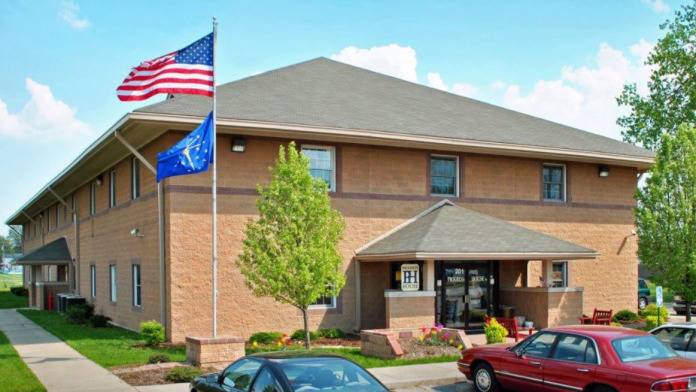
About Aspire Indiana Health – Progress House Main
Some people who enter the recovery house begin their recovery journey at an inpatient or high-intensity outpatient treatment center. Others are admitted directly into a recovery residence where they receive peer support and learn skills that allow them to reclaim their lives.
You receive a comprehensive evaluation to determine where you are in your recovery. You may also receive other services like primary medical care, behavioral health therapy, medication-assisted treatment (MAT), individual case management or education and job training. They offer more services within the continuum to ensure you are fully prepared to transition into the community.
The services offered depend on your needs and goals but everyone is supported in their goal to reach long-term recovery so substance use disorders no longer control their lives. This recovery program offers a structured and sober living environment where your monthly fee includes room and board, around-the-clock care from full-time staff, case management, daily 12-step meetings, weekly group therapy and life development skills training. They also offer perks like Wi-Fi access, a workout room, and a computer lab to help you feel right at home.
While in treatment, you’ll receive relapse prevention counseling, peer recovery support services, vocational services, anger management care and nutritional and wellness information to address the physical and psychological aspects of recobvery. Residents must actively seek insurance coverage or state residential fee coverage to pay for all program fees.
Fact checked and written by:
Gayle Morris, BSN, MSN
Edited by:
Courtney Myers, MS

Rehab Score
 Our Methodology
Scoring is assigned by a proprietary system which helps surface key metrics that determine quality. The 10-point scale factors in categories such as operations, customer satisfaction, and trust metrics. Read Full Methodology

6.2 / 10
Gallery
Other Forms of Payment
Private insurance refers to any kind of healthcare coverage that isn't from the state or federal government. This includes individual and family plans offered by an employer or purchased from the Insurance Marketplace. Every plan will have different requirements and out of pocket costs so be sure to get the full details before you start treatment.
Self-pay involves paying for treatment out of your own pocket. You can use savings or credit, get a personal loan, or receive help from family and friends to fund your treatment. If you don't have insurance or your insurance plan doesn't cover a specific program, self-pay can help ensure you still get the care you need.
Addiction Treatments
Levels of Care
If you need some flexibility and choice when it comes to your recovery, outpatient rehab programs are a great option because they do not require intensive inpatient treatment. Clients remain in their own homes and may continue to work or attend school while in active treatment. Outpatient treatment typically includes addiction counseling and continuing recovery education, including courses in self-care and relapse prevention. Medication assisted treatment (MAT) is available in many treatment centers for clients in opioid and/or alcohol recovery.
Residential treatment programs are those that offer housing and meals in addition to substance abuse treatment. Rehab facilities that offer residential treatment allow patients to focus solely on recovery, in an environment totally separate from their lives. Some rehab centers specialize in short-term residential treatment (a few days to a week or two), while others solely provide treatment on a long-term basis (several weeks to months). Some offer both, and tailor treatment to the patient's individual requirements.
12-step programs are addiction recovery models based on Alcoholics Anonymous (AA). A number of substance abuse programs (including some drug and alcohol rehab centers) use the 12 steps as a basis for treatment. Beginning steps involve admitting powerlessness over the addiction and creating a spiritual basis for recovery. Middle steps including making direct amends to those who've been hurt by the addiction, and the final step is to assist others in addiction recovery in the same way. 12-Step offshoots including Narcotics Anonymous (NA), Cocaine Anonymous (CA), Dual Recovery Anonymous (DRA), Sex and Love Addicts Anonymous (SLAA) and Gamblers Anonymous (GA).
When you receive 24-hour clinical care in Indiana, you'll be under constant supervision from highly trained medical staff. Nurses, doctors, and addiction specialists provide medications and other treatment to address withdrawal symptoms and any additional medical needs. Common medications that are prescribed include valium and Librium to relieve alcohol withdrawal, and anti-depressants to relieve cocaine withdrawal. For opioid abuse, doctors may prescribe methadone or naltrexone to manage cravings and clonidine to treat high blood pressure.
Treatments
The goal of treatment for alcoholism is abstinence. Those with poor social support, poor motivation, or psychiatric disorders tend to relapse within a few years of treatment. For these people, success is measured by longer periods of abstinence, reduced use of alcohol, better health, and improved social functioning. Recovery and Maintenance are usually based on 12 step programs and AA meetings.
For long-term recovery from drug addiction, drug rehab in Indiana is often key. This treatment gives individuals who are struggling with a substance use disorder the tools to manage their disorder and achieve long-term sobriety.
A combined mental health and substance abuse rehab has the staff and resources available to handle individuals with both mental health and substance abuse issues. It can be challenging to determine where a specific symptom stems from (a mental health issue or an issue related to substance abuse), so mental health and substance abuse professionals are helpful in detangling symptoms and keeping treatment on track.
Opioid rehabs specialize in supporting those recovering from opioid addiction. They treat those suffering from addiction to illegal opioids like heroin, as well as prescription drugs like oxycodone. These centers typically combine both physical as well as mental and emotional support to help stop addiction. Physical support often includes medical detox and subsequent medical support (including medication), and mental support includes in-depth therapy to address the underlying causes of addiction.
Programs
Adult rehab programs include therapies tailored to each client's specific needs, goals, and recovery progress. They are tailored to the specific challenges adult clients may face, including family and work pressures and commitments. From inpatient and residential treatment to various levels of outpatient services, there are many options available. Some facilities also help adults work through co-occurring conditions, like anxiety, that can accompany addiction.
Young adulthood can be an exciting, yet difficult, time of transition. Individuals in their late teens to mid-20s face unique stressors related to school, jobs, families, and social circles, which can lead to a rise in substance use. Rehab centers with dedicated young adult programs will include activities and amenities that cater to this age group, with an emphasis on specialized counseling, peer socialization, and ongoing aftercare.
Clinical Services
Group therapy is any therapeutic work that happens in a group (not one-on-one). There are a number of different group therapy modalities, including support groups, experiential therapy, psycho-education, and more. Group therapy involves treatment as well as processing interaction between group members.
In individual therapy, a patient meets one-on-one with a trained psychologist or counselor. Therapy is a pivotal part of effective substance abuse treatment, as it often covers root causes of addiction, including challenges faced by the patient in their social, family, and work/school life.
Amenities
-
 Residential Setting
Staff & Accreditations
Staff
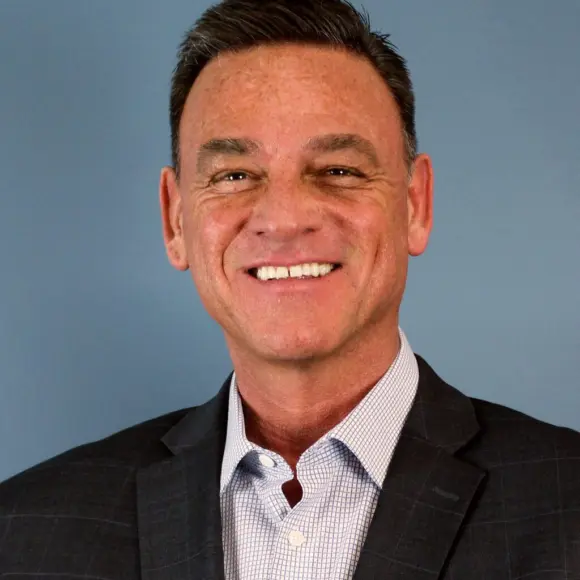
Darrell Mitchell
Vice President Recovery Capital & Executive Director
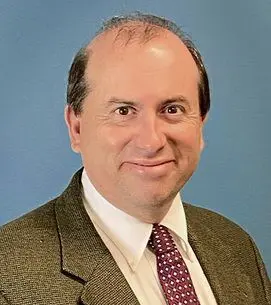
Dr. Jon Butler
Medical Director
Accreditations

LegitScript has reviewed Aspire Indiana Health – Progress House Main as part of their certification program, and has determined that it meets the LegitScript standards for legality, safety and transparency.
LegitScript verified in

The Joint Commission, formerly known as JCAHO, is a nonprofit organization that accredits rehab organizations and programs. Founded in 1951, the Joint Commision's mission is to improve the quality of patient care and demonstrating the quality of patient care.
Joint Commission Accreditation: Yes
Contact Information

201 Shelby St.
Indianapolis, IN 46202
Get Help Now - 463-388-1405
Sponsored Helpline
Sponsored Helpline
