





























































































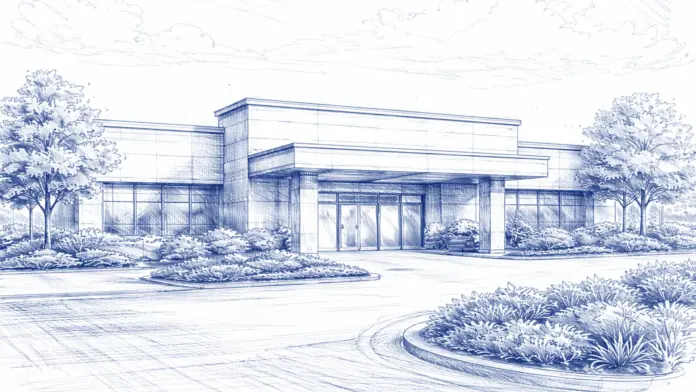
About Psych and Psych Services
Psych & Psych Services is an outpatient substance use treatment and mental health provider in Elyria, Ohio, offering psychiatry, counseling and medication assisted treatment for adults, children and adolescents.
Located at 750 South Abbe Road, the practice combines in office and telehealth appointments to support recovery and emotional wellness.
With integrated care for cooccurring conditions, Psych & Psych Services focuses on evidence based, whole person treatment.
MAT with Suboxone
Care often begins with a psychiatric evaluation or assessment to determine the right combination of services.
Clients can access substance abuse counseling and Medication Assisted Treatment (MAT), including Suboxone (buprenorphine) for opioid use disorder, alongside DUI assessments.
Treatment blends medication management with individual counseling, addressing both addiction and cooccurring conditions such as depression, anxiety, bipolar disorder, PTSD, ADHD and OCD.
Specialized counseling for grief, trauma and relationships is also available, along with geriatric psychiatry for older adults.
Quick Facts About Psych & Psych Services
- Location: 750 South Abbe Road, Elyria, Ohio
- Levels of care: Outpatient psychiatry, therapy and telehealth appointments
- Who they treat: Adults, children, adolescents and older adults, including dual diagnosis clients
- Approach: Medication management combined with individual counseling and trauma informed care
- Addiction services: Substance abuse counseling, MAT, Suboxone treatment and DUI assessments
- Access: In office and telepsychiatry options for added flexibility
Getting Started
Beginning care at Psych & Psych Services in Elyria, Ohio typically starts with scheduling a psychiatric evaluation or counseling appointment.
The intake team can explain available programs, telehealth options and payment details to help you find the right fit.
Latest Reviews


Mandy, Darcie, and Brandice will deeply appreciate your kind words. Our team is committed to providing compassionate, supportive care, and it’s very rewarding to know that you felt that connection during your journey with us.
We wish you continued growth, strength, and wellness moving forward. Thank you again for taking the time to share your experience.


Rehab Score
 Our Methodology


Location
Other Forms of Payment
Medicaid is a state based program that helps lower-income individuals and families pay for healthcare. Medicaid covers addiction treatment so those enrolled can use their coverage to pay for rehab. When a program accepts Medicaid the client often pays very little or nothing out of their own pocket.
Private insurance refers to any kind of healthcare coverage that isn't from the state or federal government. This includes individual and family plans offered by an employer or purchased from the Insurance Marketplace. Every plan will have different requirements and out of pocket costs so be sure to get the full details before you start treatment.
Self-pay involves paying for treatment out of your own pocket. You can use savings or credit, get a personal loan, or receive help from family and friends to fund your treatment. If you don't have insurance or your insurance plan doesn't cover a specific program, self-pay can help ensure you still get the care you need.
Financial aid can take many forms. Centers may have grants or scholarships available to clients who meet eligibility requirements. Programs that receive SAMHSA grants may have financial aid available for those who need treatment as well. Grants and scholarships can help you pai for treatment without having to repay.
Medicare is a federal program that provides health insurance for those 65 and older. It also serves people under 65 with chronic and disabling health challenges. To use Medicare for addiction treatment you need to find a program that accepts Medicare and is in network with your plan. Out of pocket costs and preauthorization requirements vary, so always check with your provider.
Military members, veterans, and eligible dependents have access to specific insurance programs that help them get the care they need. TRICARE and VA insurance can help you access low cost or no cost addiction and mental health treatment. Programs that accept military insurance often have targeted treatment focused on the unique challenges military members, veterans, and their families face.
 Employee Assistance Program
Addiction Treatments
Levels of Care
Outpatient Programs (OP) are for those seeking mental rehab or drug rehab, but who also stay at home every night. The main difference between outpatient treatment (OP) and intensive outpatient treatment (IOP) lies in the amount of hours the patient spends at the facility. Most of the time an outpatient program is designed for someone who has completed an inpatient stay and is looking to continue their growth in recovery. Outpatient is not meant to be the starting point, it is commonly referred to as aftercare.
The IOP is appropriate for those who are diagnosed as chemically dependent and are committed to maintaining abstinence from all drugs and alcohol throughout the course of the programming. Participants are able to remain in their home environment and continue their present work schedule. The IOP is an individualized program for adolescent and adults. They attend group sessions three days a week, three hours a day – Monday through Thursday, for a period of six weeks. Psych & Psych Services offers both day and evening programs.
Clients will be encouraged to utilize this recovery resource during and after treatment. AA on-site meetings and contacts will be a vital part of programming. At program start, treatment will be for clients 18 and older. It is a program goal to continue to diversify into adolescent treatment and other needed areas of service as referrals are made and community interest shown. This is to be a program of solid recovery and treatment principles combined with creativity and vision.
Aftercare is an opportunity for people to continue enhancing their relapse prevention skills and to talk freely with other recovering addicts who are adjusting to day-to-day sober living. It will be recommended in the majority of cases clients enter the Continuing Care group for a period of three months following IOP in order to solidify consistent recovery as a lifestyle. This group will meet once weekly for 1.5 hours per session. This is to be in combination with recommended AA meetings and sponsor contact.
Treatments
The goal of treatment for alcoholism is abstinence. Those with poor social support, poor motivation, or psychiatric disorders tend to relapse within a few years of treatment. For these people, success is measured by longer periods of abstinence, reduced use of alcohol, better health, and improved social functioning. Recovery and Maintenance are usually based on 12 step programs and AA meetings.
Drug rehab in Ohio provides comprehensive treatment to address the physical and psychological needs of those struggling with substance use disorders. This may involve inpatient and/or outpatient care.
Many of those suffering from addiction also suffer from mental or emotional illnesses like schizophrenia, bipolar disorder, depression, or anxiety disorders. Rehab and other substance abuse facilities treating those with a dual diagnosis or co-occurring disorder administer psychiatric treatment to address the person's mental health issue in addition to drug and alcohol rehabilitation.
A combined mental health and substance abuse rehab has the staff and resources available to handle individuals with both mental health and substance abuse issues. It can be challenging to determine where a specific symptom stems from (a mental health issue or an issue related to substance abuse), so mental health and substance abuse professionals are helpful in detangling symptoms and keeping treatment on track.
Opioid rehabs specialize in supporting those recovering from opioid addiction. They treat those suffering from addiction to illegal opioids like heroin, as well as prescription drugs like oxycodone. These centers typically combine both physical as well as mental and emotional support to help stop addiction. Physical support often includes medical detox and subsequent medical support (including medication), and mental support includes in-depth therapy to address the underlying causes of addiction.
Programs
Adult rehab programs include therapies tailored to each client's specific needs, goals, and recovery progress. They are tailored to the specific challenges adult clients may face, including family and work pressures and commitments. From inpatient and residential treatment to various levels of outpatient services, there are many options available. Some facilities also help adults work through co-occurring conditions, like anxiety, that can accompany addiction.
Recovery is most successful when clients feel accepted and validated by their peers and treatment providers. Facilities that offer LGBTQ-inclusive programming are committed to creating a safe space where everyone can grow and recover without fear of judgment or discrimination. They will have dedicated policies in place to create a safe and supportive environment that fosters free expression.
Young adulthood can be an exciting, yet difficult, time of transition. Individuals in their late teens to mid-20s face unique stressors related to school, jobs, families, and social circles, which can lead to a rise in substance use. Rehab centers with dedicated young adult programs will include activities and amenities that cater to this age group, with an emphasis on specialized counseling, peer socialization, and ongoing aftercare.
Clinical Services
Whether a marriage or other committed relationship, an intimate partnership is one of the most important aspects of a person's life. Drug and alcohol addiction affects both members of a couple in deep and meaningful ways, as does rehab and recovery. Couples therapy and other couples-focused treatment programs are significant parts of exploring triggers of addiction, as well as learning how to build healthy patterns to support ongoing sobriety.
Eating disorders include anorexia, bulimia, binge eating, and dysfunctional eating patterns. Many psychologists and other mental health professionals consider eating disorders to be food addictions, meaning food is being used in an addictive way (similar to drug or alcohol addiction). Eating disorders, like addictions, can be life threatening and cause stress to others. They are also treatable. They have therapists who specialize in helping patients with anorexia, bulimia, binge eating or obesity.
Research clearly demonstrates that recovery is far more successful and sustainable when loved ones like family members participate in rehab and substance abuse treatment. They believe Therapy for Clients and their Support Network of Family and Friends is an important part of addiction treatment and all are encouraged to seek private counseling to work through individual and family issues.
Group therapy is any therapeutic work that happens in a group (not one-on-one). There are a number of different group therapy modalities, including support groups, experiential therapy, psycho-education, and more. Group therapy involves treatment as well as processing interaction between group members.
Hypnotherapy (aka guided hypnosis) can be used as a therapeutic modality to treat substance use, especially in terms of quitting smoking cigarettes (nicotine). Clinical hypnotherapists help clients turn their attention inward, accessing unconscious or subconscious material, and then make suggestions that are healthier for the individual. The process can help clients make deep, positive, and lasting changes, including ceasing addictive habits.
In individual therapy, a patient meets one-on-one with a trained psychologist or counselor. Therapy is a pivotal part of effective substance abuse treatment, as it often covers root causes of addiction, including challenges faced by the patient in their social, family, and work/school life.
Trauma therapy addresses traumatic incidents from a client's past that are likely affecting their present-day experience. Trauma is often one of the primary triggers and potential causes of addiction, and can stem from child sexual abuse, domestic violence, having a parent with a mental illness, losing one or both parents at a young age, teenage or adult sexual assault, or any number of other factors. The purpose of trauma therapy is to allow a patient to process trauma and move through and past it, with the help of trained and compassionate mental health professionals.
Amenities
-
 Residential Setting
 -
 Private Setting
Accreditations

The Commission on Accreditation of Rehabilitation Facilities (CARF) is a non-profit organization that specifically accredits rehab organizations. Founded in 1966, CARF's, mission is to help service providers like rehab facilities maintain high standards of care.
CARF Accreditation: Yes
Rehab.com regularly reviews this listing for accuracy but changes may occur between updates. For the most up-to-date information, please contact Psych and Psych Services.
Contact Information


750 S Abbe Rd
Elyria, OH 44035
Sponsored Helpline


