










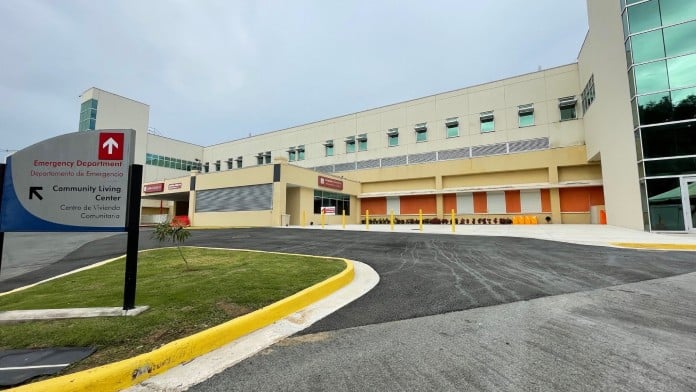
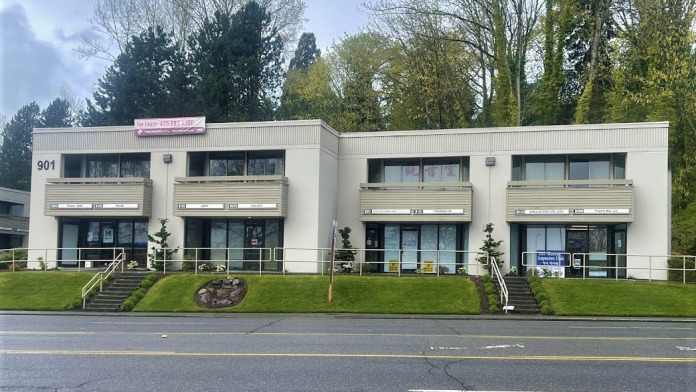
VA Caribbean Healthcare System - Arecibo CBOC
1
Top 10 Rehab Centers In Arecibo



















































































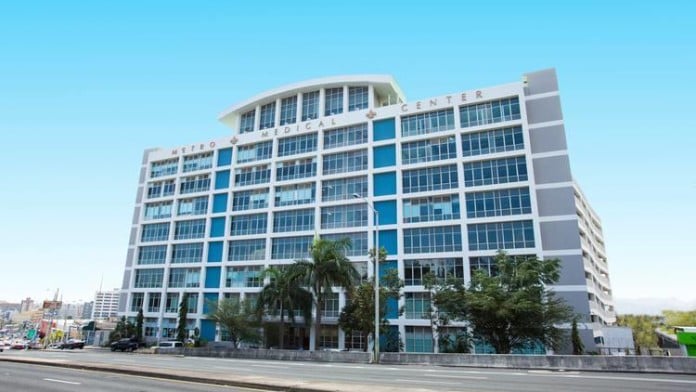
San Juan Capestrano Hospital is a psychiatric facility in Bayamón, Puerto Rico offering specialized treatment for substance use disorders and co-occurring mental health conditions. The facility provides both inpatient and outpatient programs for children, adolescents, adults and older adults, with services including psychiatric evaluation, medication management, and individual, group and family therapy. Clients may benefit from a hospital-based environment designed for stabilization and structured care.
The hospital provides a comprehensive range of inpatient and outpatient behavioral health services. Programs are designed to help patients stabilize, develop coping skills and transition to lower levels of care, with specialized tracks for those managing both addiction and mental health challenges. Dual diagnosis may target these conditions together to provide a greater chance at lasting sobriety.
Therapy sessions may address the root causes of substance use and various issues that contributed to addiction. Guests may learn stress reduction techniques, how to recognize substance use triggers and how to avoid relapse after treatment.
The hospital accepts private pay, Medicare and Reforma (Plan Vital). Most major insurance plans are accepted, including Triple-S, MCS, Humana, First Medical, MMM, and PMC.

 172
172 
 Our Methodology


Private insurance refers to any kind of healthcare coverage that isn't from the state or federal government. This includes individual and family plans offered by an employer or purchased from the Insurance Marketplace. Every plan will have different requirements and out of pocket costs so be sure to get the full details before you start treatment.
Self-pay involves paying for treatment out of your own pocket. You can use savings or credit, get a personal loan, or receive help from family and friends to fund your treatment. If you don't have insurance or your insurance plan doesn't cover a specific program, self-pay can help ensure you still get the care you need.
Financial aid can take many forms. Centers may have grants or scholarships available to clients who meet eligibility requirements. Programs that receive SAMHSA grants may have financial aid available for those who need treatment as well. Grants and scholarships can help you pai for treatment without having to repay.
Medicare is a federal program that provides health insurance for those 65 and older. It also serves people under 65 with chronic and disabling health challenges. To use Medicare for addiction treatment you need to find a program that accepts Medicare and is in network with your plan. Out of pocket costs and preauthorization requirements vary, so always check with your provider.
Medicaid is a state based program that helps lower-income individuals and families pay for healthcare. Medicaid covers addiction treatment so those enrolled can use their coverage to pay for rehab. When a program accepts Medicaid the client often pays very little or nothing out of their own pocket.
Sliding scale payments are based on a client's income and family size. The goal is to make treatment affordable to everyone. By taking these factors into account, addiction recovery care providers help ensure that your treatment does not become a financial burden to you or your family, eliminating one barrier to care.
Private insurance refers to any kind of healthcare coverage that isn't from the state or federal government. This includes individual and family plans offered by an employer or purchased from the Insurance Marketplace. Every plan will have different requirements and out of pocket costs so be sure to get the full details before you start treatment.
Outpatient Programs (OP) are for those seeking mental rehab or drug rehab, but who also stay at home every night. The main difference between outpatient treatment (OP) and intensive outpatient treatment (IOP) lies in the amount of hours the patient spends at the facility. Most of the time an outpatient program is designed for someone who has completed an inpatient stay and is looking to continue their growth in recovery. Outpatient is not meant to be the starting point, it is commonly referred to as aftercare.
 Intensive Outpatient
A partial hospitalization program (PHP) is a short-term form of intensive rehab, usually for those with acute symptoms that are hard to manage but don’t require 24-hour care. PHPs have structured programming (i.e. individual and/or group therapy), and usually meet 3-5 days a week for around 6 hours (i.e. 9am-3m). Some PHPs are residential (patients sleep on site) and some are not, so patients sleep at home. PHPs can last from 1-6 months, and some offer transportation and meals.
 Inpatient
Mental health rehabs focus on helping individuals recover from mental illnesses like bipolar disorder, clinical depression, anxiety disorders, schizophrenia, and more. Mental health professionals at these facilities are trained to understand and treat mental health issues, both in individual and group settings.
 Alcoholism
 Drug Addiction
Adult rehab programs include therapies tailored to each client's specific needs, goals, and recovery progress. They are tailored to the specific challenges adult clients may face, including family and work pressures and commitments. From inpatient and residential treatment to various levels of outpatient services, there are many options available. Some facilities also help adults work through co-occurring conditions, like anxiety, that can accompany addiction.
Teen programs are designed to address the unique pressures teens face, pressures that can drive them to experiment with dangerous, addictive substances. They need programs that meet them exactly where they are and give them tools for long-term recovery. Therapy can help teenagers understand and work through underlying issues so they can reclaim the life ahead of them.
Group therapy is any therapeutic work that happens in a group (not one-on-one). There are a number of different group therapy modalities, including support groups, experiential therapy, psycho-education, and more. Group therapy involves treatment as well as processing interaction between group members.
 Individual Therapy
Research clearly demonstrates that recovery is far more successful and sustainable when loved ones like family members participate in rehab and substance abuse treatment. Genetic factors may be at play when it comes to drug and alcohol addiction, as well as mental health issues. Family dynamics often play a critical role in addiction triggers, and if properly educated, family members can be a strong source of support when it comes to rehabilitation.
 Nutrition Therapy
 Recreational Therapy
CEO
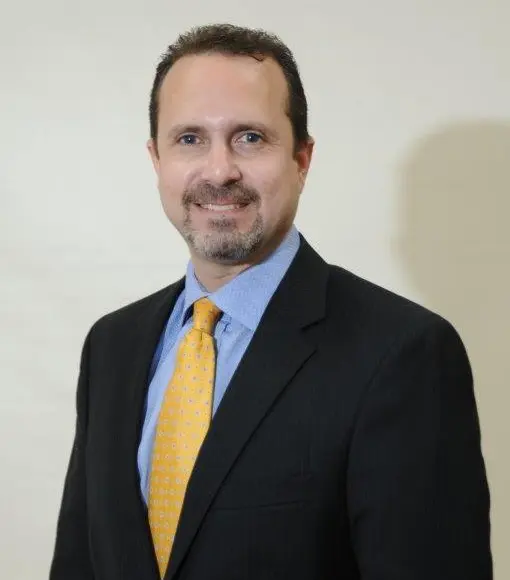
CFO
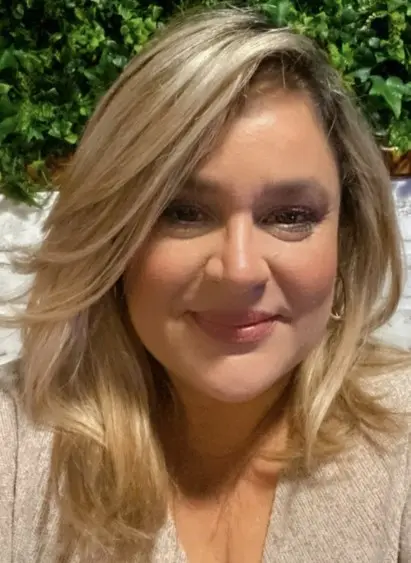
Business Development Director
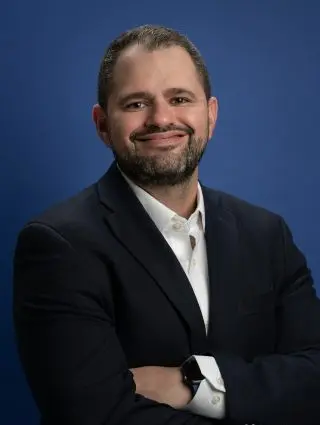
Medical Director
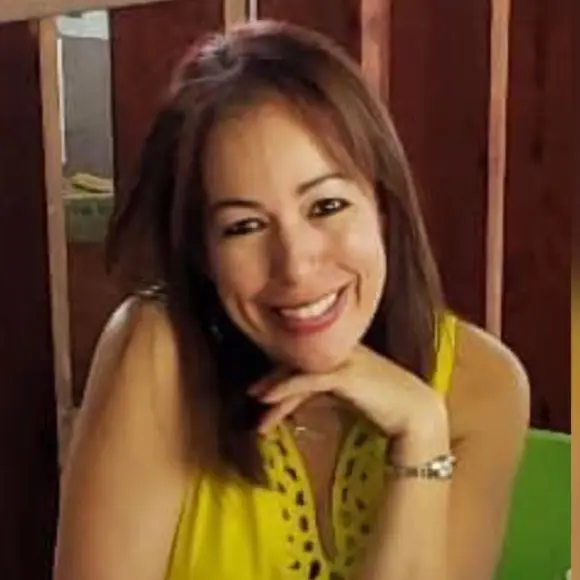
Director of Quality Services
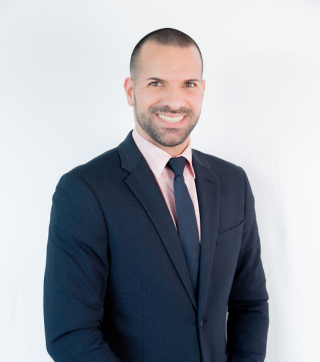
Director of Medical Information Management

The Joint Commission, formerly known as JCAHO, is a nonprofit organization that accredits rehab organizations and programs. Founded in 1951, the Joint Commision's mission is to improve the quality of patient care and demonstrating the quality of patient care.
Joint Commission Accreditation: Yes
Rehab.com regularly reviews this listing for accuracy but changes may occur between updates. For the most up-to-date information, please contact Clínica San Juan Capestrano Bayamón.

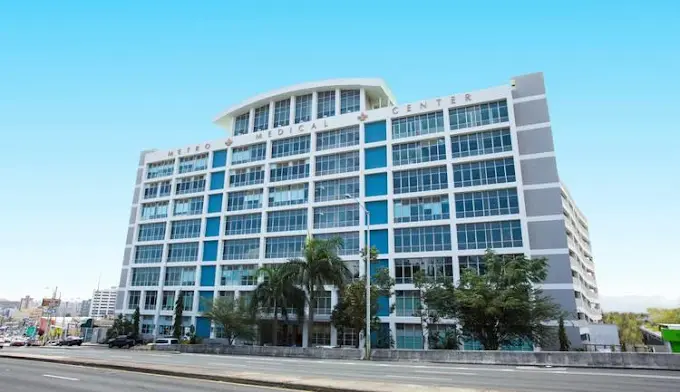
Metro Medical Center Tower A
Suite 103
1995 Carr # 2
Bayamon, PR 00959
Sponsored Helpline


Mue buenas las TS y las terapistas. Me encantaria seguir tomandolas.

Hoy es mi primer día y siento que voy por buen camino. Escuchó, aprendo y veo a mis compañeros y siento que saldré positiva VICTORIOSA de esta clínica. Dios en ti confío Amén 🙏

Me encantó las terapias y el personal. Muy profesionales y eficientes. Todo muy limpio y arreglado.
 Back
Back
Sharing your insights and experiences can help others learn more about this rehab center.
