



























































































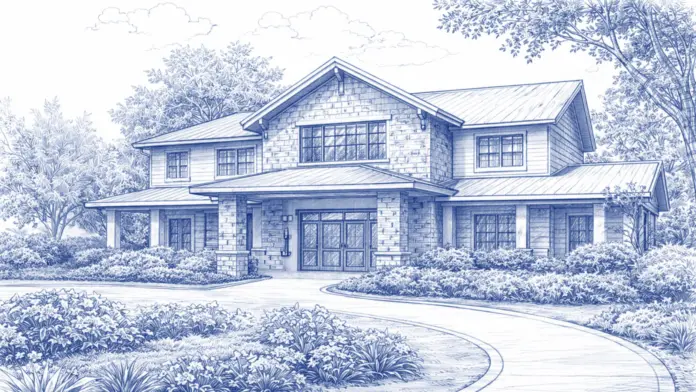
About Tennessee Detox Center
Tennessee Detox Center offers physician-led addiction treatment in La Vergne, Tennessee. The center specializes in polysubstance withdrawal, with individualized treatment planning that combines medical oversight and dual diagnosis support. Treatment blends clinical rigor with a hospitality-focused environment designed to help clients transition safely through withdrawal and into sustained recovery.
Medically Supervised Detox
The core offering is medical detox with around-the-clock supervision by board-certified physicians. Tapering protocols and medication-assisted treatment help clients manage withdrawal symptoms safely.
The detox experience is structured around comfort and clinical precision. Clients stay in private rooms with memory foam mattresses, streaming entertainment and chef-prepared meals, while medical staff monitor vitals and adjust protocols as needed.
Continuum of Care Beyond Detox
After detox, clients can step into residential treatment, outpatient care or virtual rehab programming. Treatment integrates therapies and trauma-informed care, with family therapy and education to support long-term wellness. Specialized tracks for veterans and professionals are also available.
Tennessee Detox Center serves clients throughout Middle Tennessee from its La Vergne facility, with telehealth options for ongoing outpatient care. They work with most major healthcare plans.
Facility Overview
 8 - 14
Rehab Score
 Our Methodology


Location
Other Forms of Payment
Private insurance refers to any kind of healthcare coverage that isn't from the state or federal government. This includes individual and family plans offered by an employer or purchased from the Insurance Marketplace. Every plan will have different requirements and out of pocket costs so be sure to get the full details before you start treatment.
Self-pay involves paying for treatment out of your own pocket. You can use savings or credit, get a personal loan, or receive help from family and friends to fund your treatment. If you don't have insurance or your insurance plan doesn't cover a specific program, self-pay can help ensure you still get the care you need.
Financing your treatment can make treatment more accessible. You'll work with your care provider to set up payment plans, including interest rates and repayment timelines. Financing options vary widely and not all programs offer them, so be sure to get the full details before enrolling in treatment. If you have insurance or other benefits, financing may help you cover your remaining out of pocket expenses.
Addiction Treatments
Levels of Care
To keep you safe and comfortable during the detoxification process, a medically assisted detox provides you with a team of medical professionals who can provide the necessary medications to treat any potential withdrawal symptoms. Suddenly stopping chronic abuse of substances like alcohol, benzodiazepines, or opioids can have uncomfortable and even dangerous side effects.
Inpatient rehabs are designed principally for clients who require intensive supervision and support, including clients who have just completed detox, clients in early recovery, and clients at an elevated risk of relapse. Inpatient treatment helps clients stabilize following detox and prepares them to step-down into outpatient and/or community-based care. Clients reside at the facility for the duration of their program and engage in extensive addiction counseling and education. Many programs also offer evidence-based complementary therapies.
Telehealth is a universal term to describe the broad range of applications that use telecommunications technology to deliver healthcare services. It encompasses multiple disciplines, including counseling, home health, disease monitoring, and physical therapy.
Treatments
Alcohol use disorder (AUD) is a treatable condition characterized by uncontrolled consumption of alcohol which continues despite negative consequences. Treatment options for alcohol addiction include inpatient or outpatient alcohol rehab in Tennessee. Therapeutic methods include group and individual therapy, medication, and holistic therapies. Aftercare is often provided through 12-step support groups, which offer ongoing accountability and encouragement.
 Opioid Addiction
When your day-to-day life is taken over by drug use, this is known as substance use disorder. If you abruptly stop using your drug of choice, you experience withdrawal symptoms. To overcome this cycle, professional drug rehab in Tennessee is usually needed.
Substance abuse treatment in Tennessee is available in addiction treatment centers, where experienced addiction professionals can treat both substance use disorders. Typically, clinicians use a range of evidence-based therapies such as a biopsychosocial assessment, cognitive-behavioral therapy, and motivational interviewing to get a complete picture of your mental health, support systems, and motivation to change. Through an individualized treatment plan, you'll receive the support you need to achieve long-term sobriety through new skills and relapse prevention strategies.
If you have a co-occurring mental health condition and an addiction, you'll want to address both conditions at the same time, under the same roof. If you only address the mental health disorder, you'll likely continue using drugs, which tends to make mental health issues even worse. On the other hand, if you only address the addiction, the symptoms of your mental health disorder will make it very hard to succeed in recovery.
In Tennessee, dual-diagnosis addiction treatment programs provide integrated care for individuals with co-occurring substance use disorders and mental health conditions. Offered on an outpatient or inpatient basis, addiction experts utilize evidence-based therapies, such as cognitive-behavioral therapy (CBT), dialectical behavior therapy (DBT), together with recovery and skills groups, to address both disorders and promote mental health. You'll also receive comprehensive aftercare planning and relapse prevention training.
Clinical Services
Typical cognitive behavioral therapy in Tennessee involves recognizing negative thinking and learning techniques to change that thinking and create new, positive behaviors. Strategies may include SMART goals, journaling, and situation exposure.
In Tennessee, group therapy sessions for drug and alcohol addiction typically involve skill development to help you learn communication techniques and relapse prevention strategies. These strategies support your transition into the community and help you maintain long term sobriety.
Amenities
-
 Gym
Gym -
 Yoga Studio
Contact Information


509 Lake Forest Dr, La Vergne, TN 37086
Sponsored Helpline
